“Be Softer. Be Stranger”
Fragility as strength, scale as community, guardianship as care, and the tension between protection and permeability.
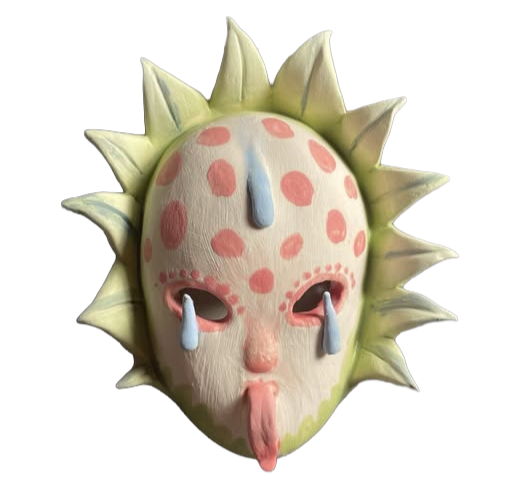
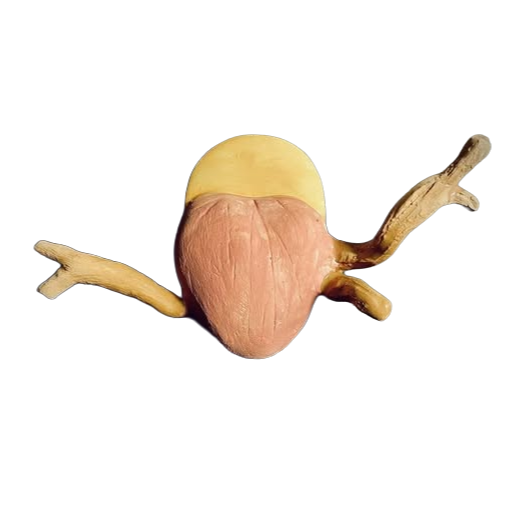
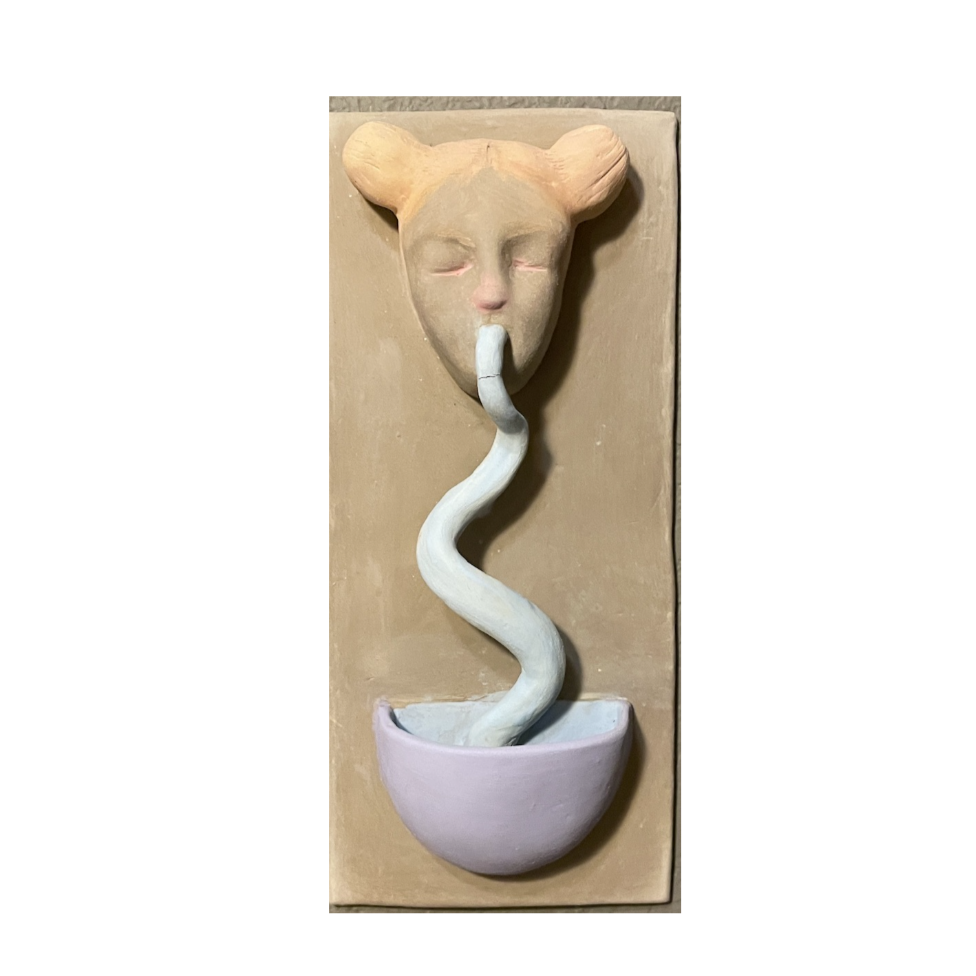
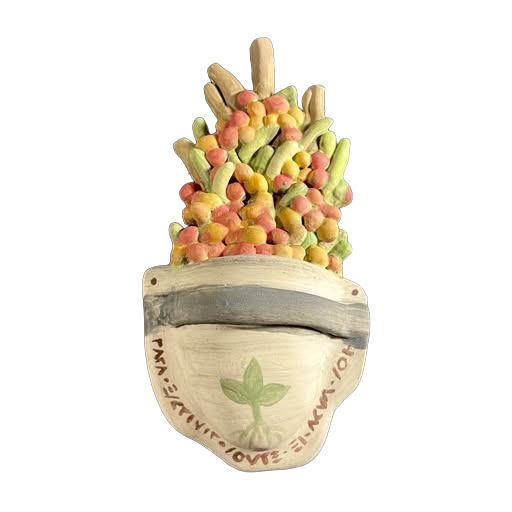
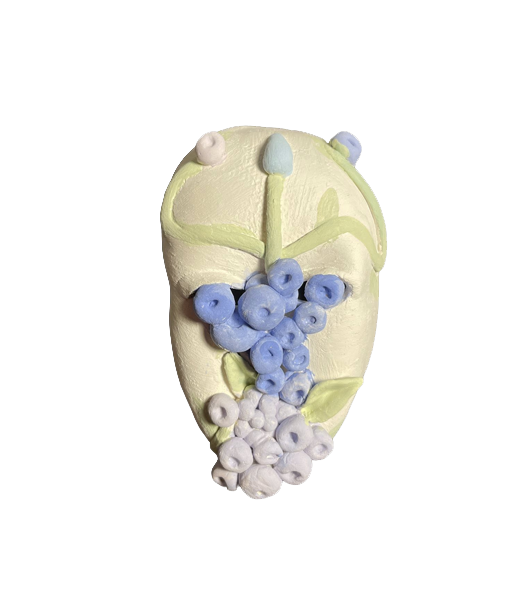
1. Where the tongue dreams green
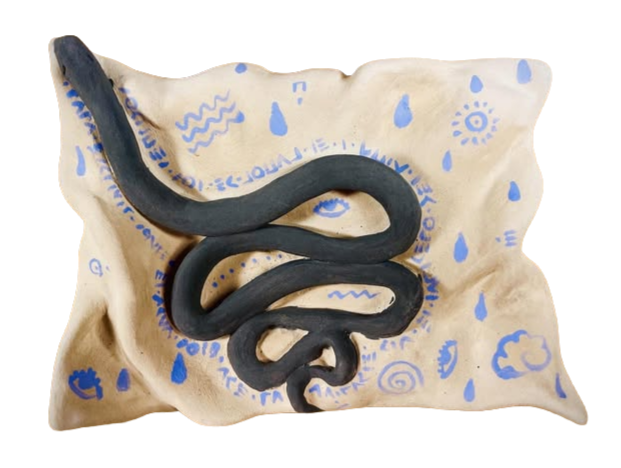
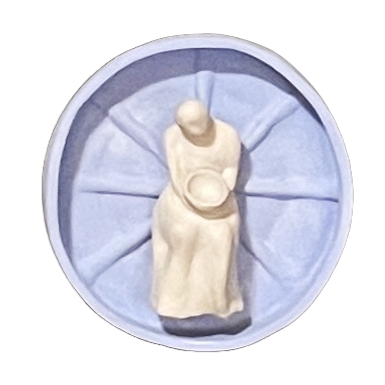
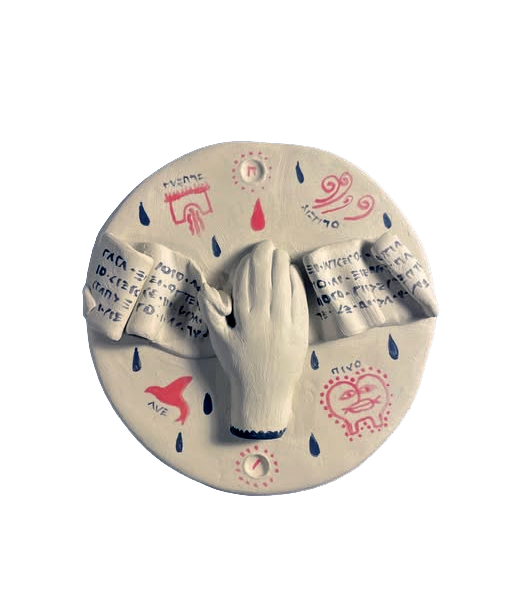
2. Remembrance island
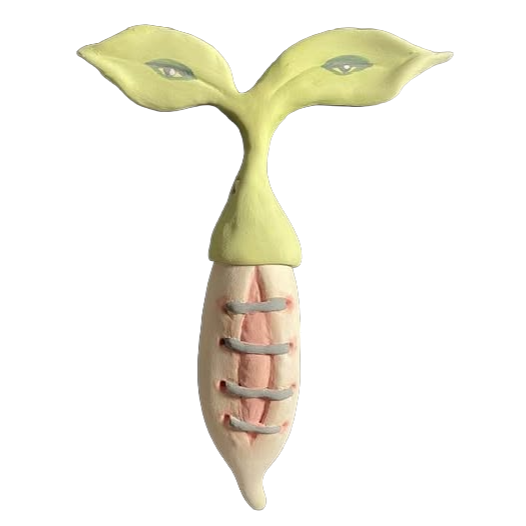
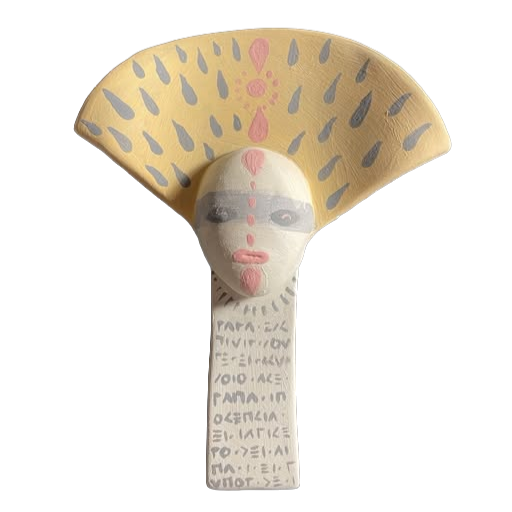
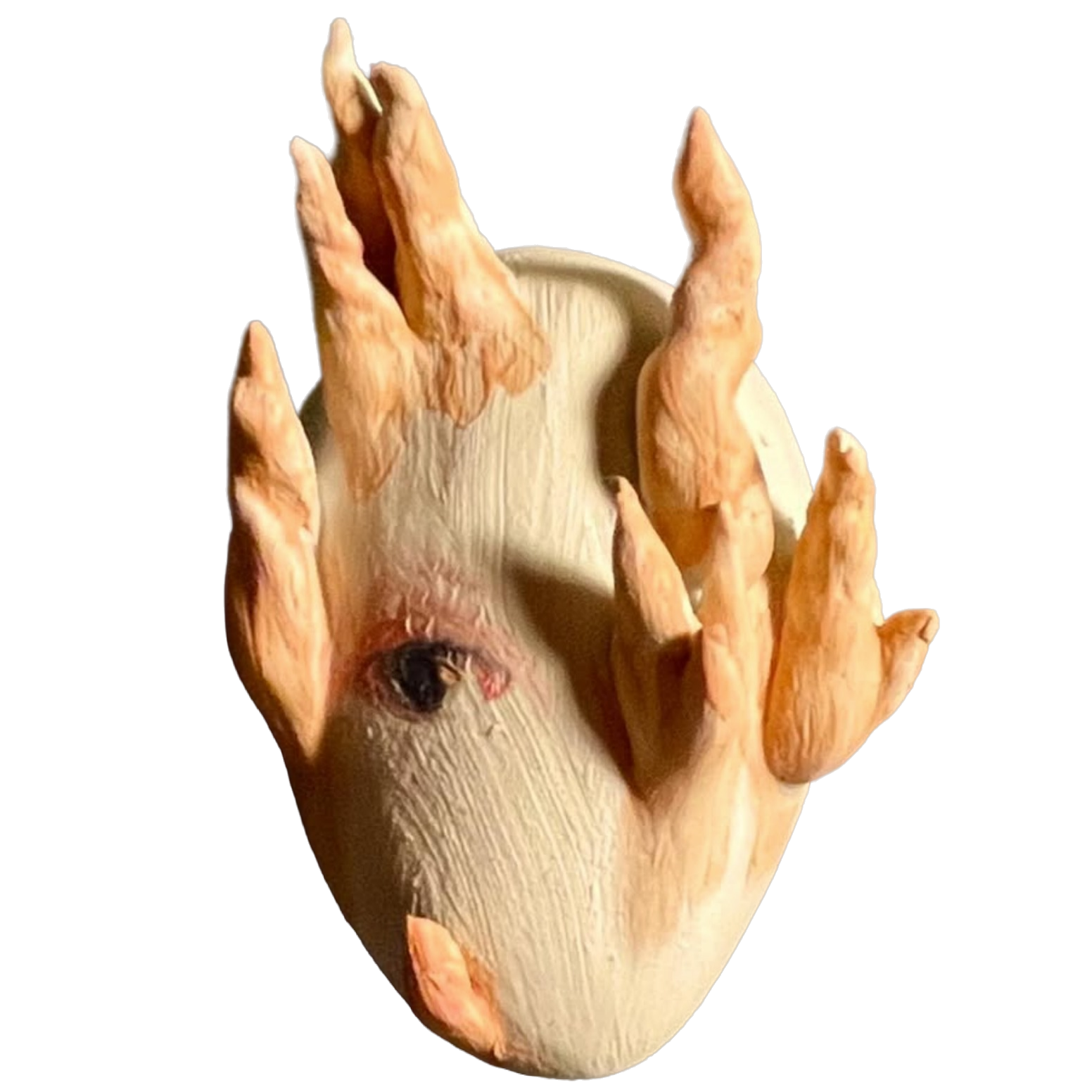
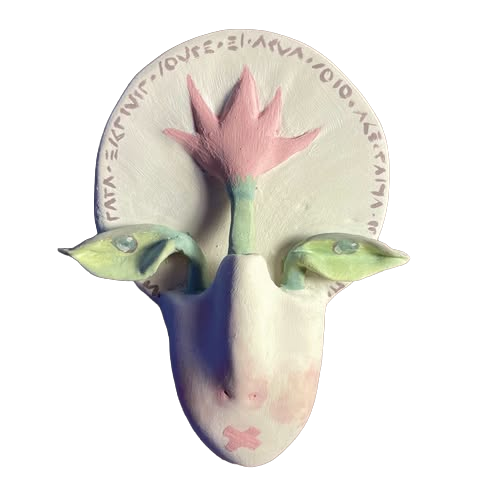
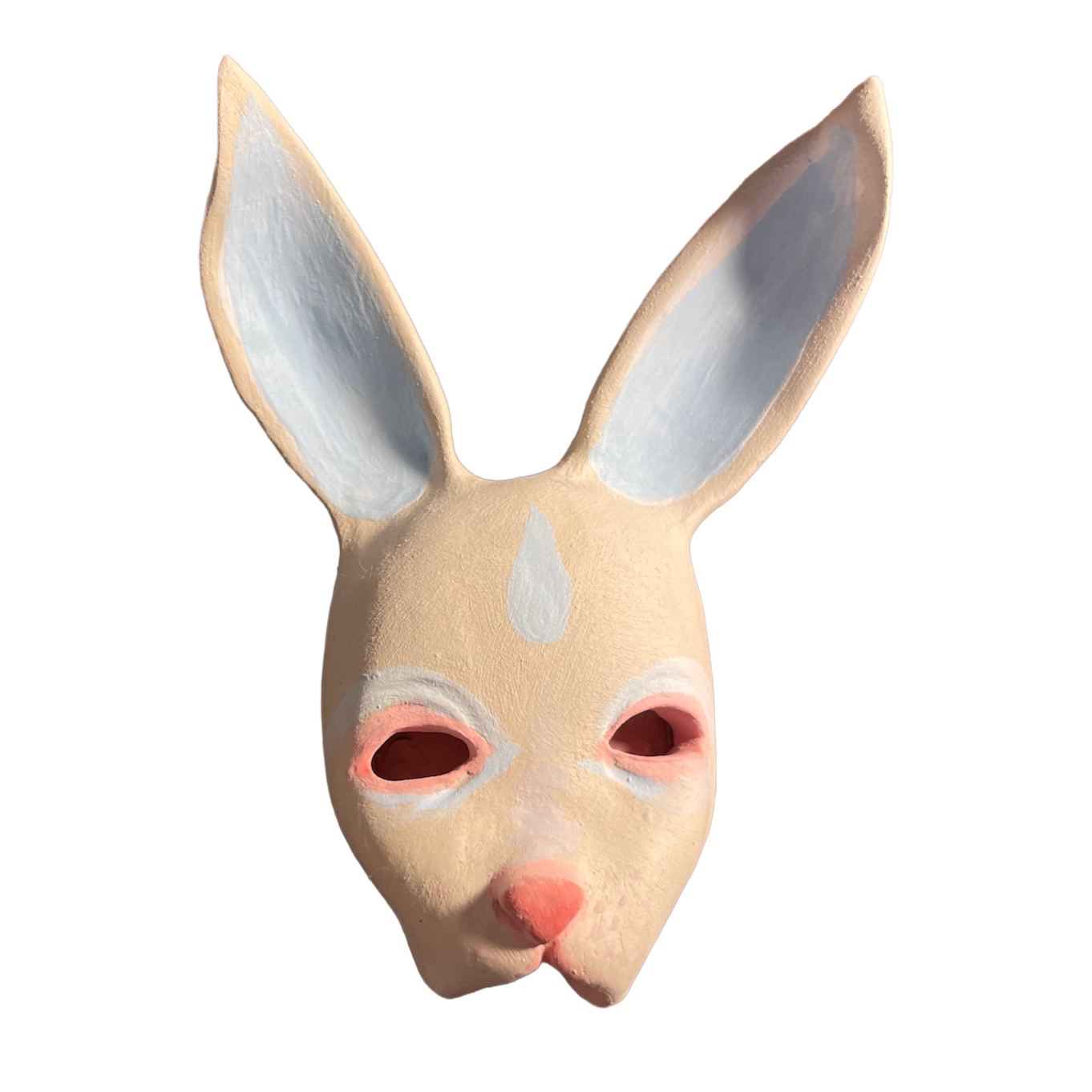
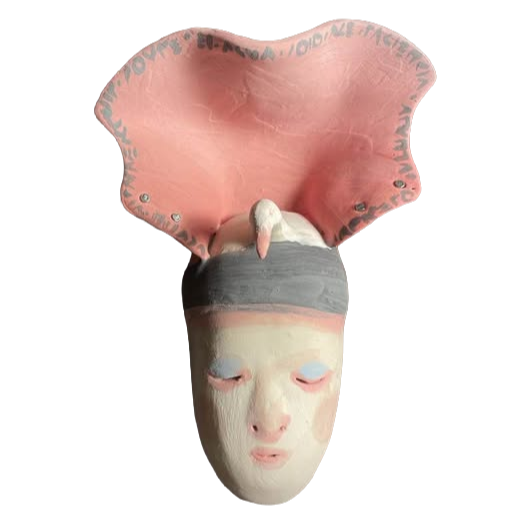
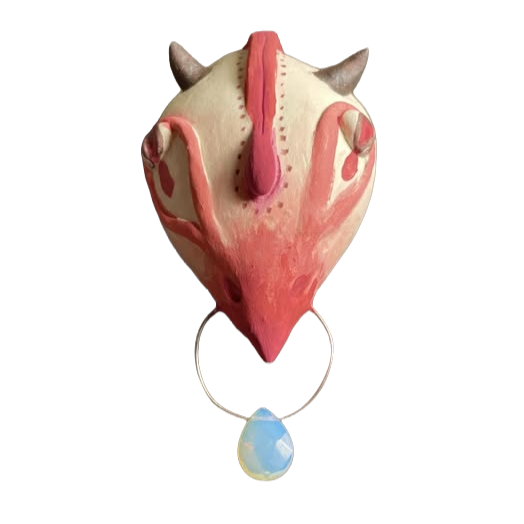
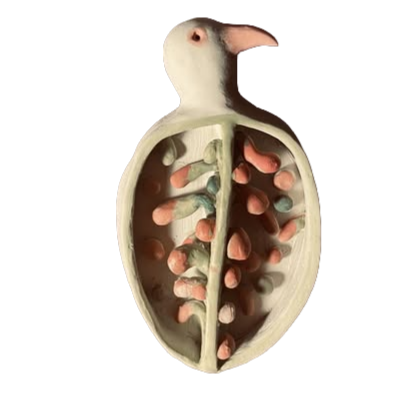
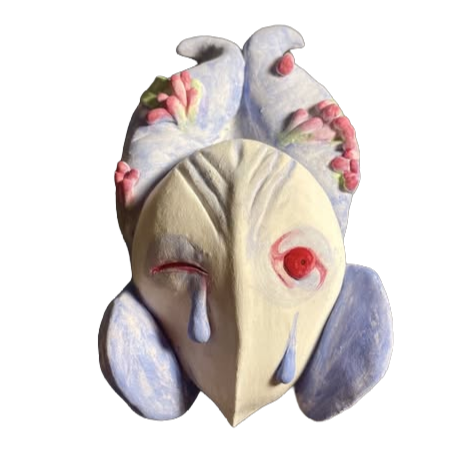
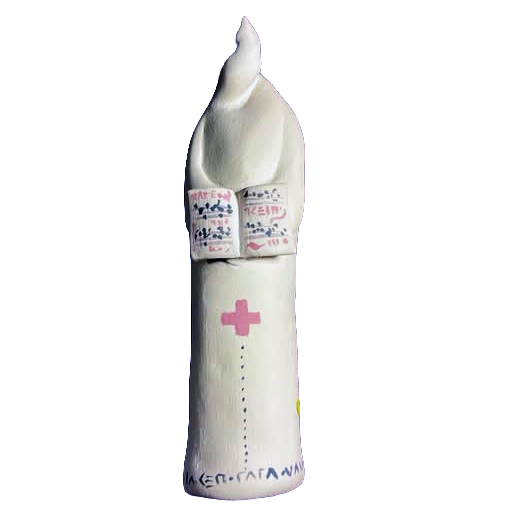
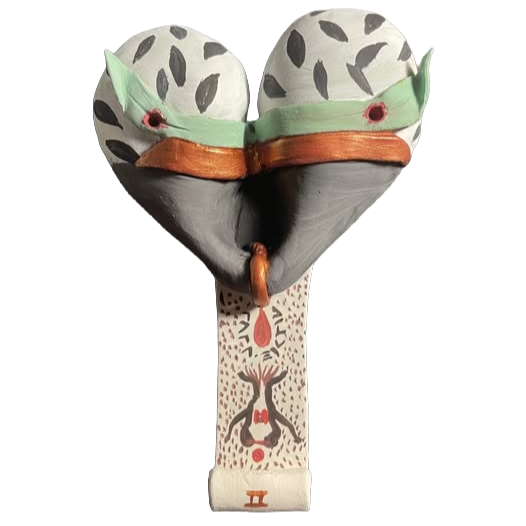
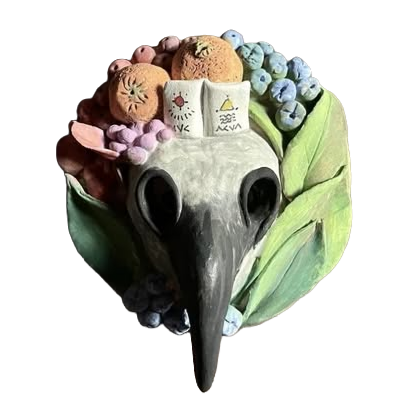
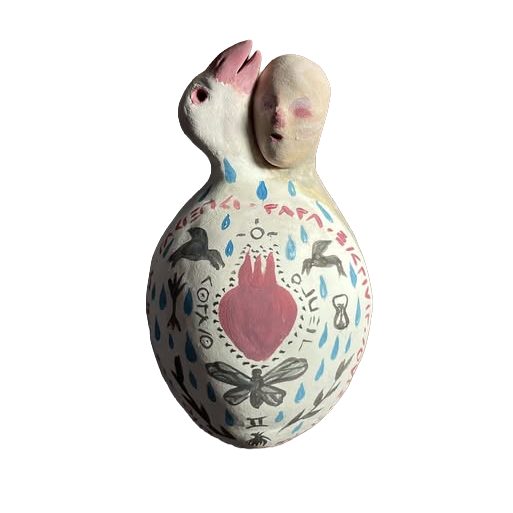
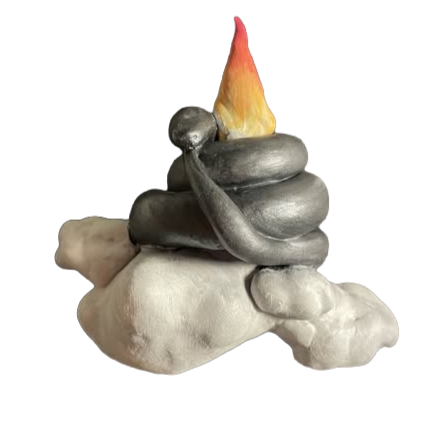
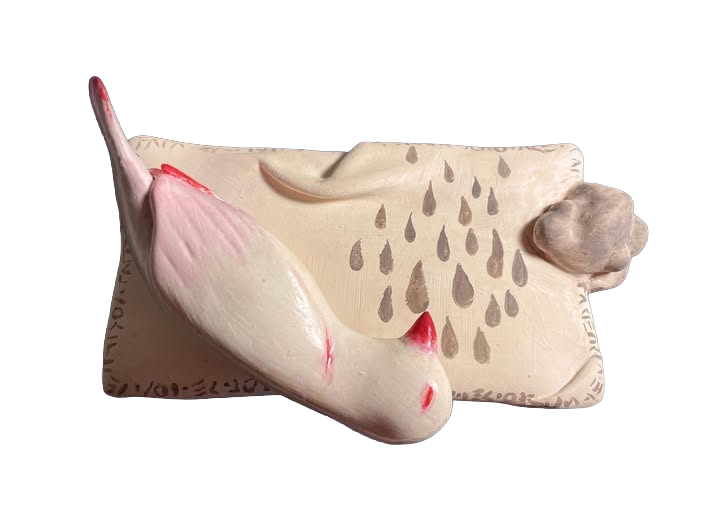
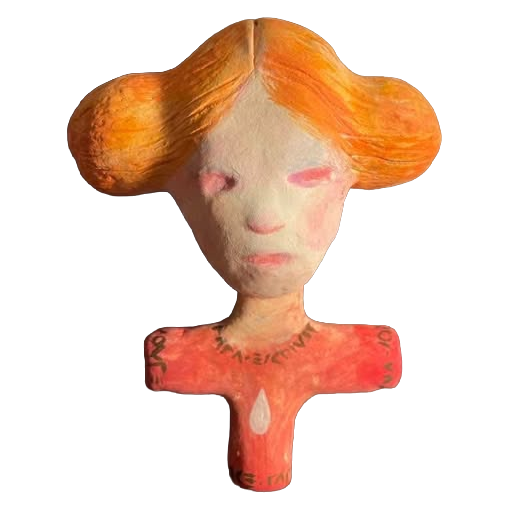
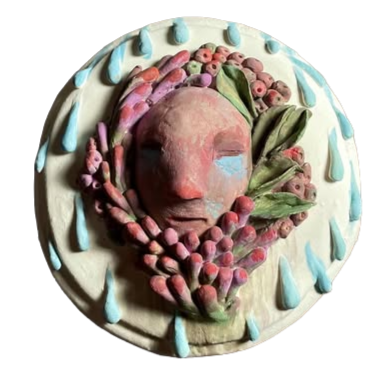
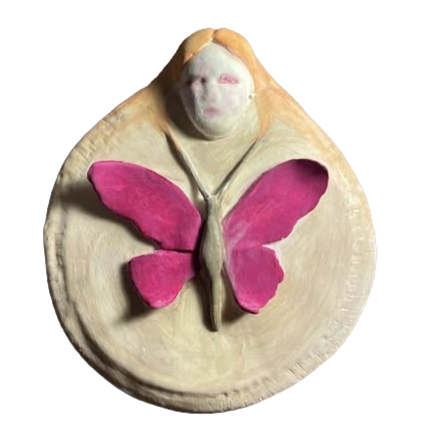
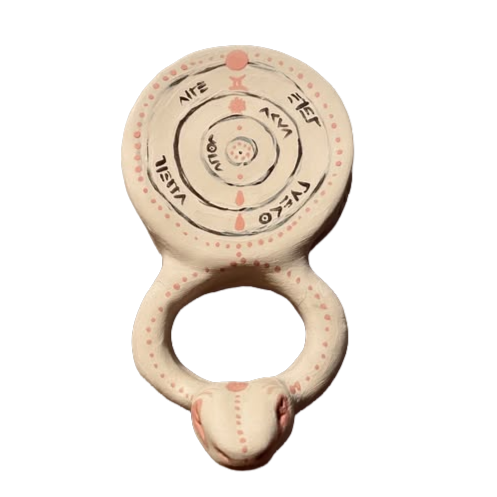
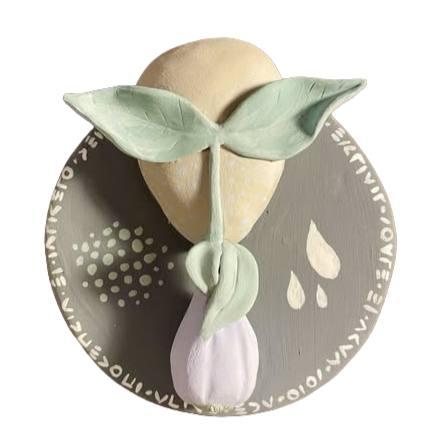
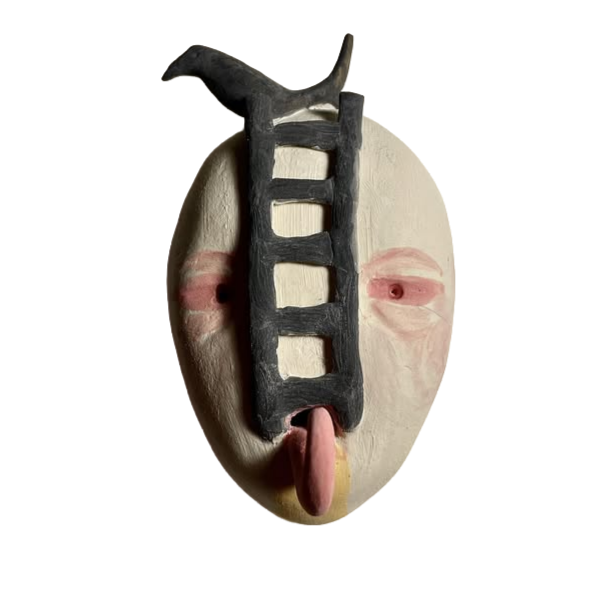
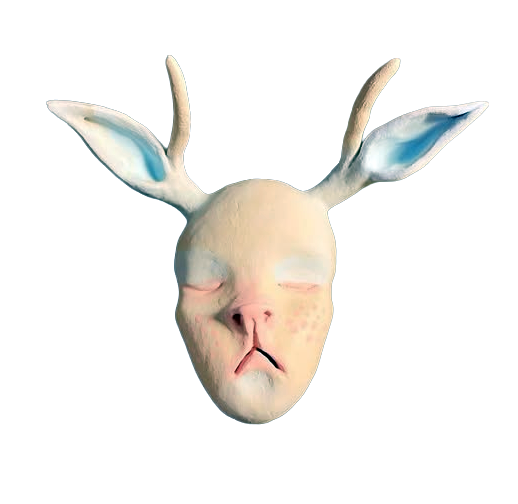
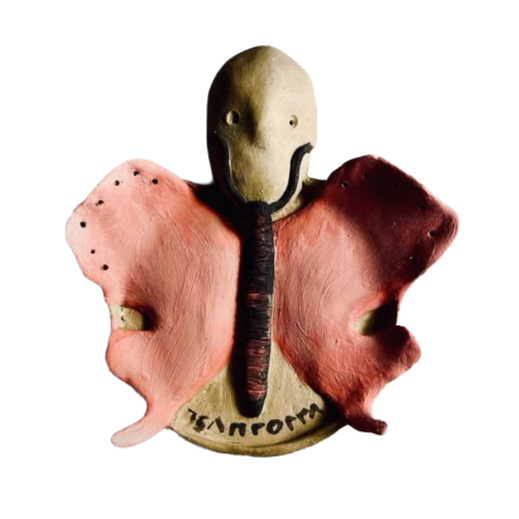
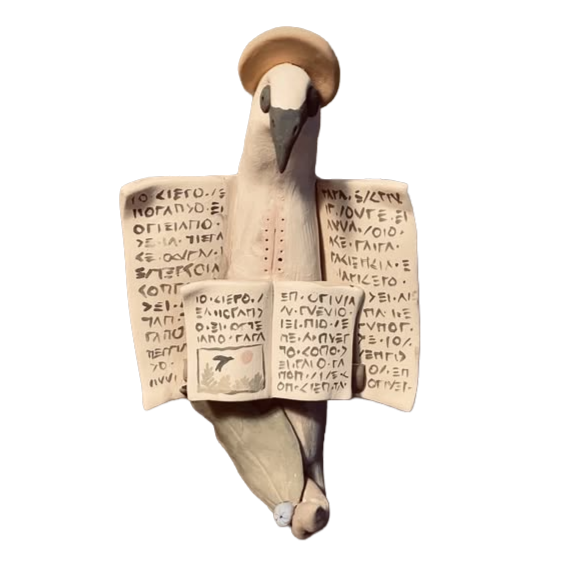
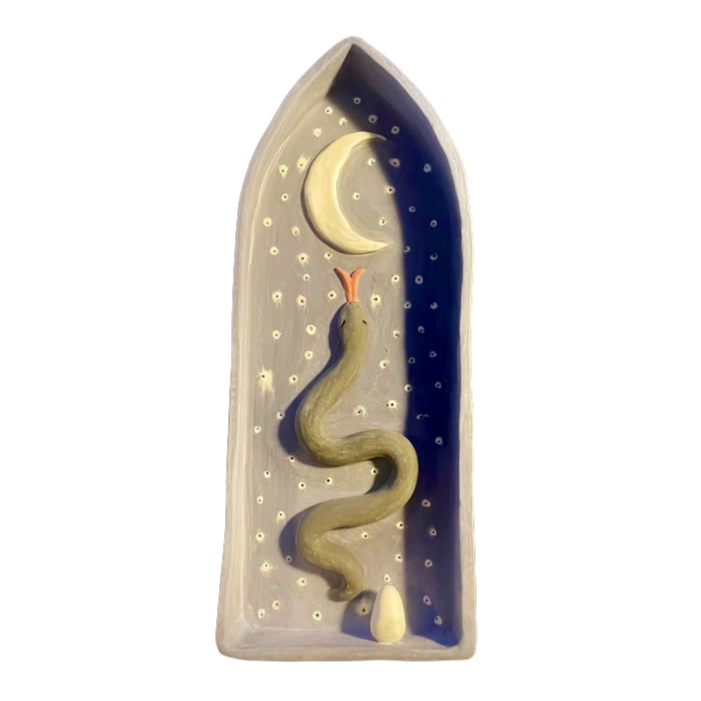
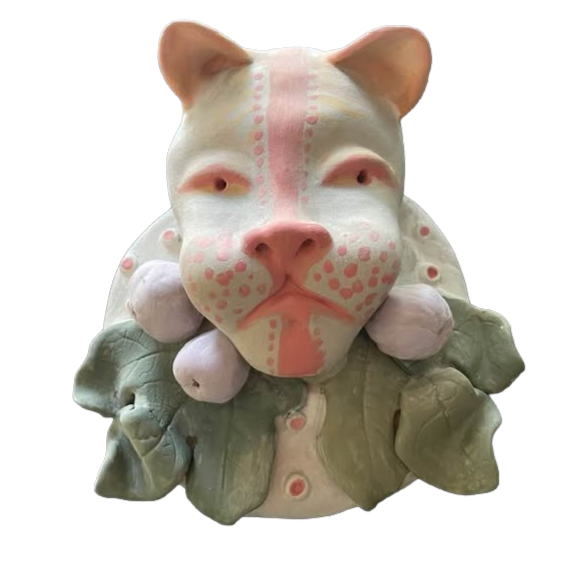
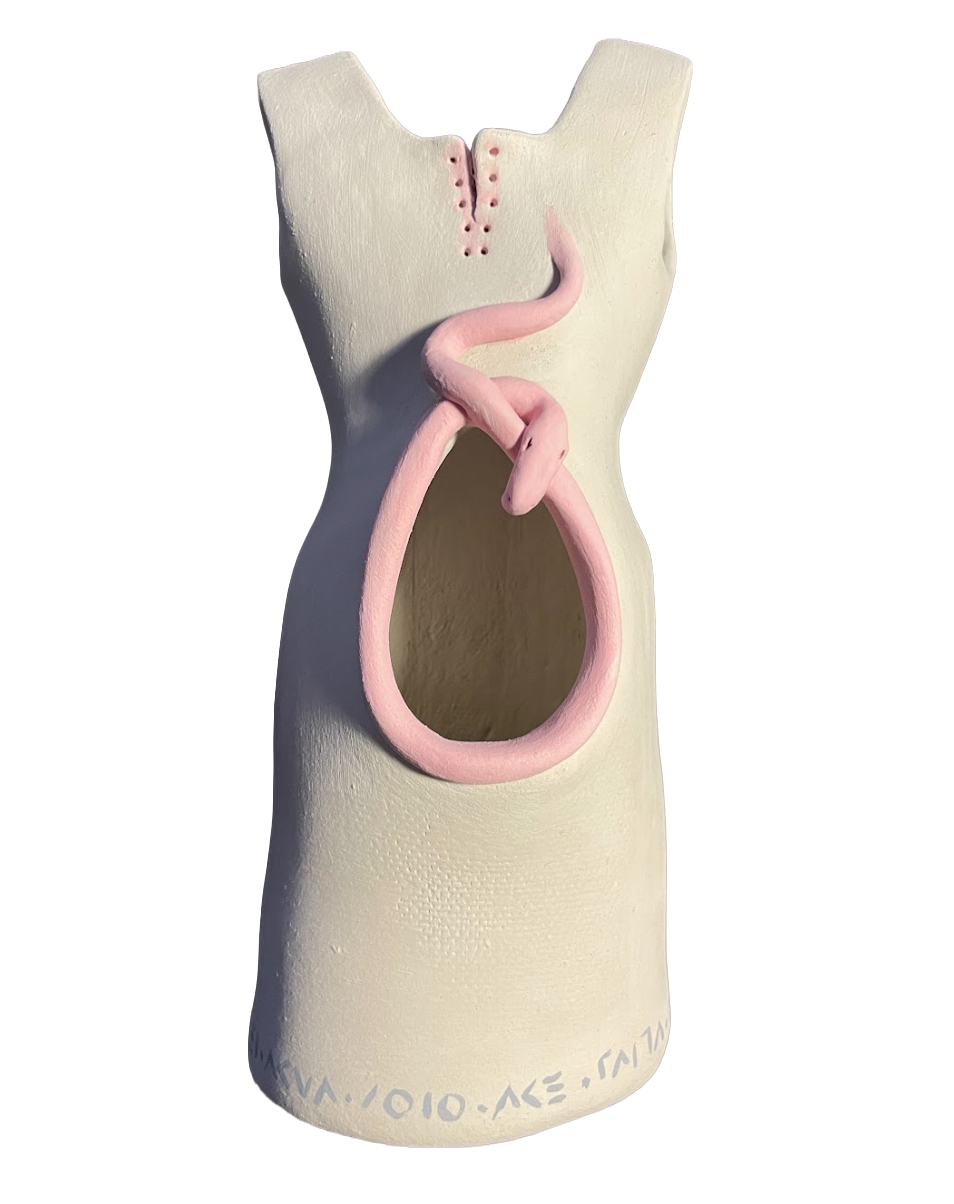
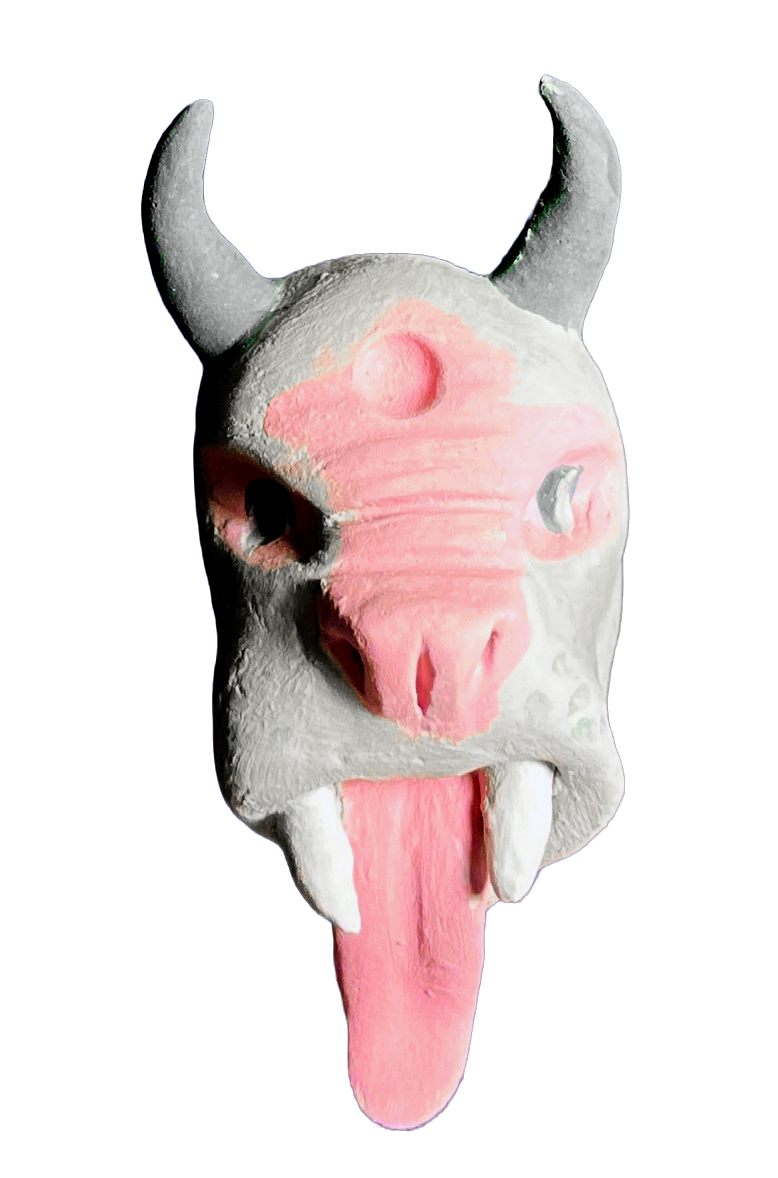
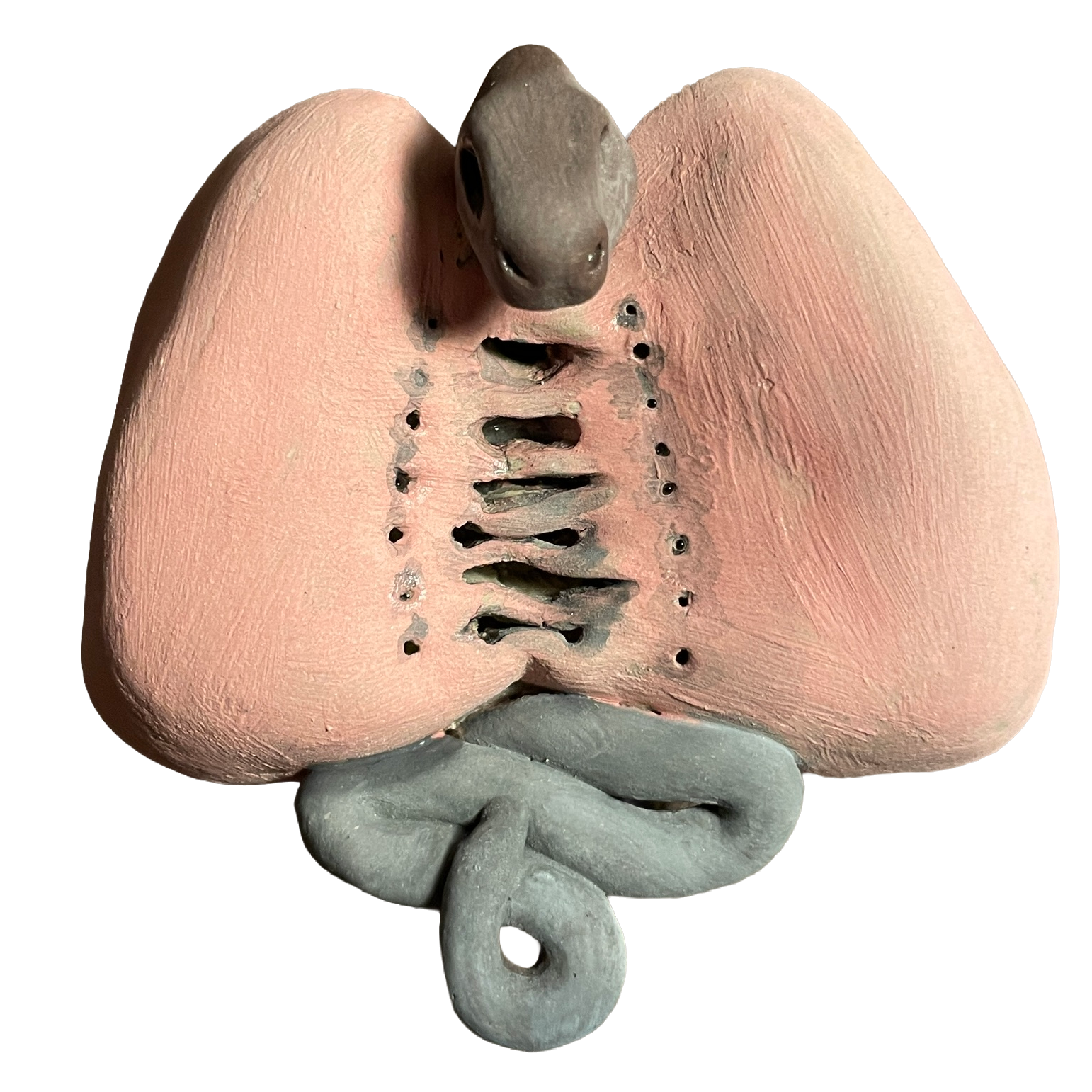
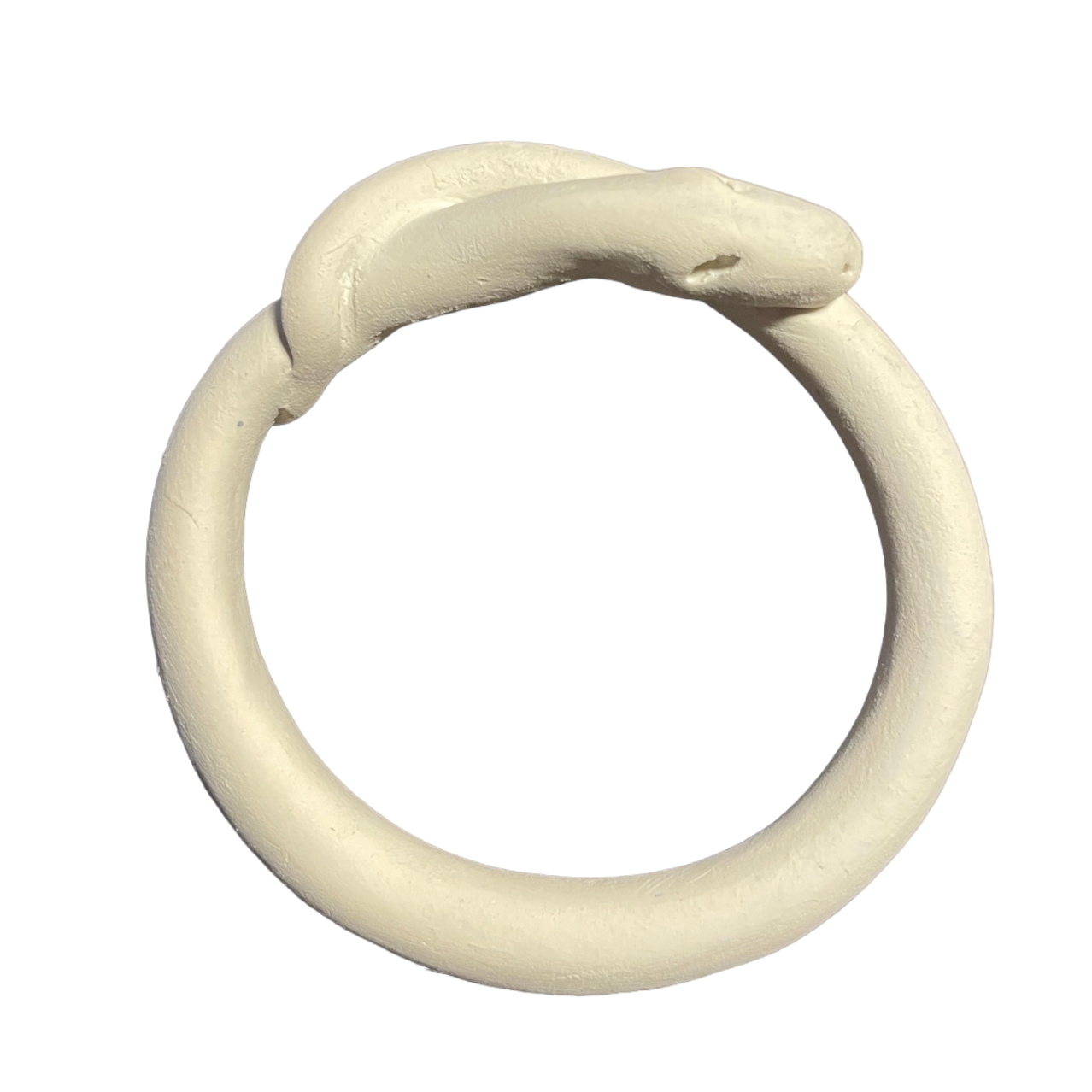
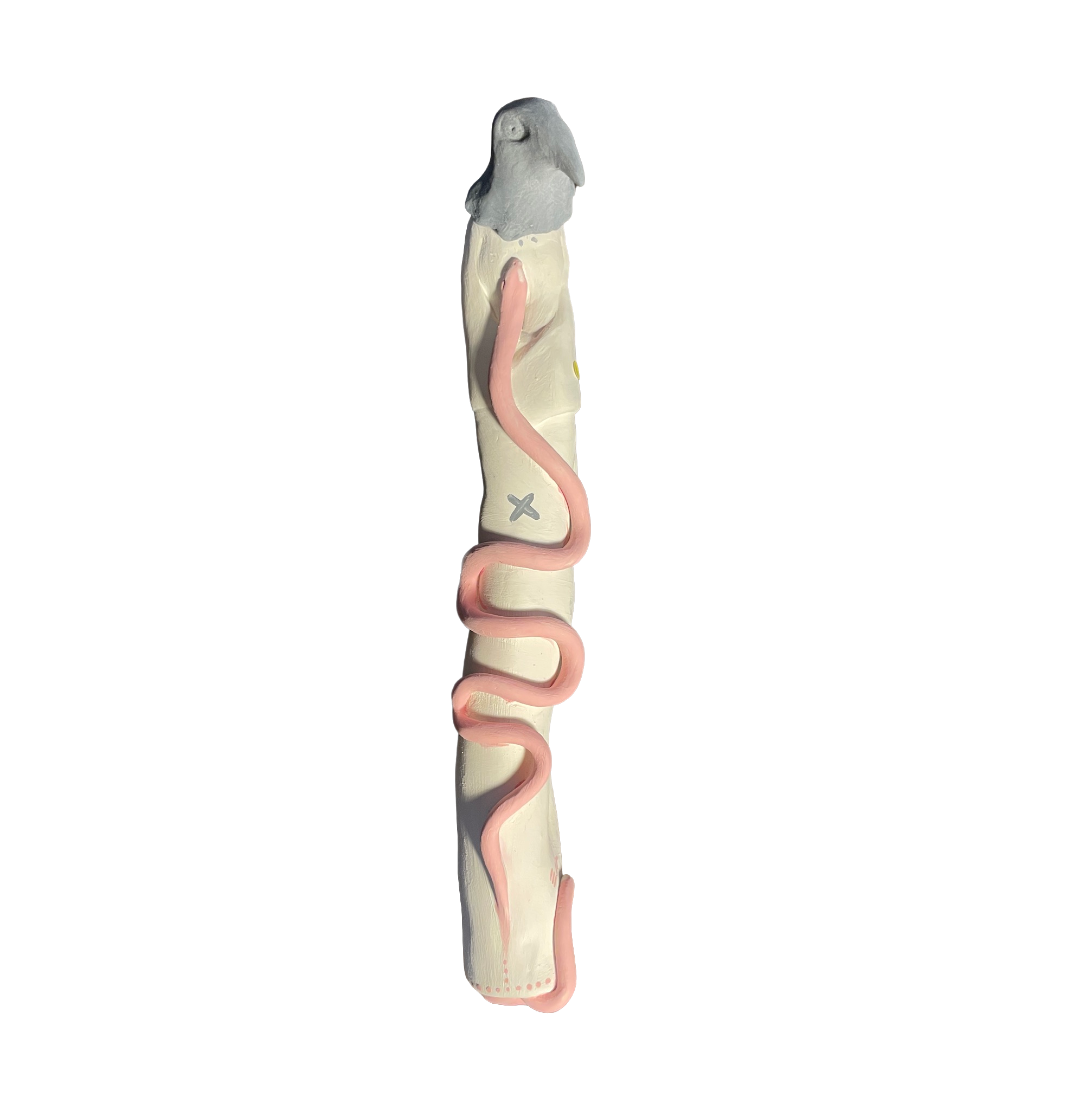
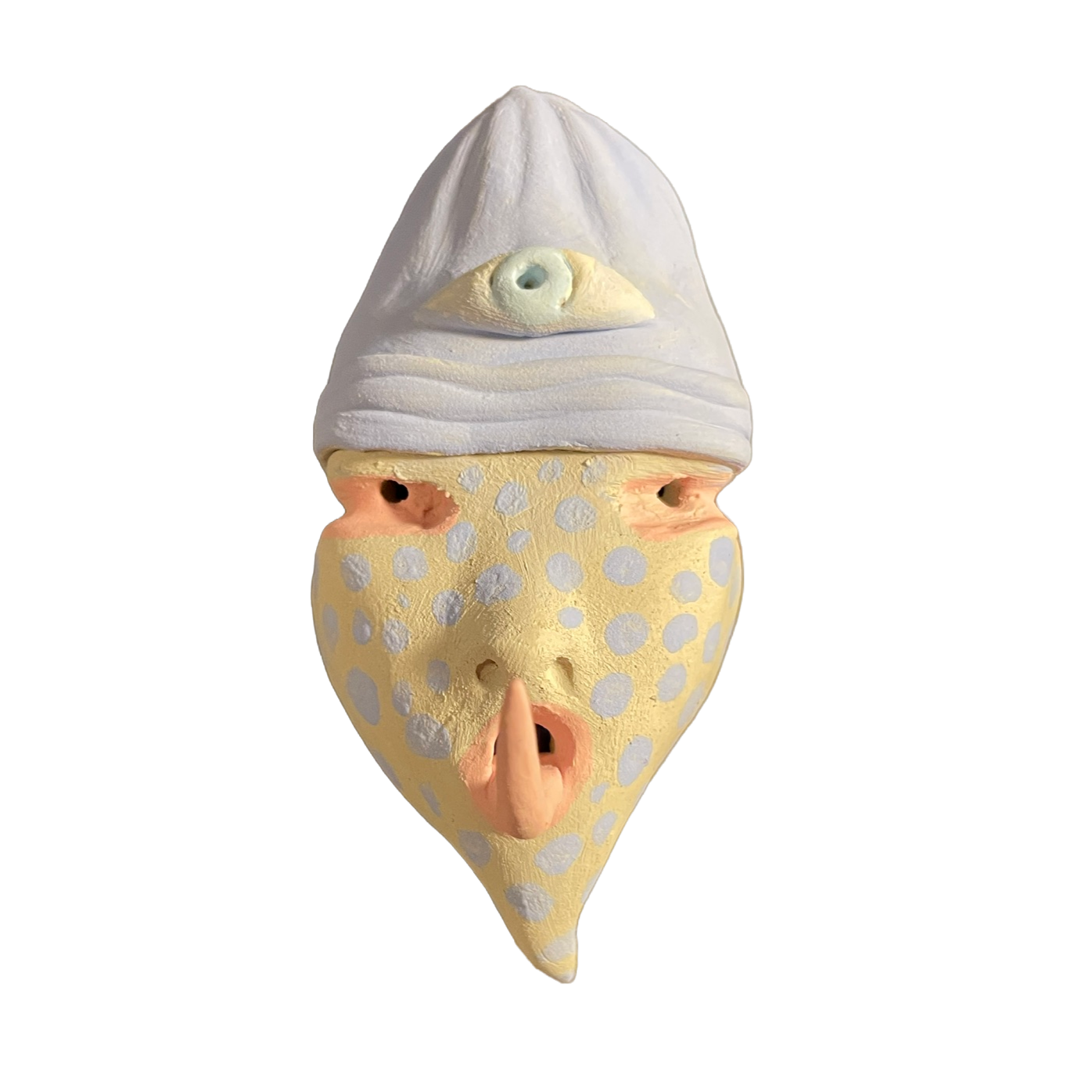
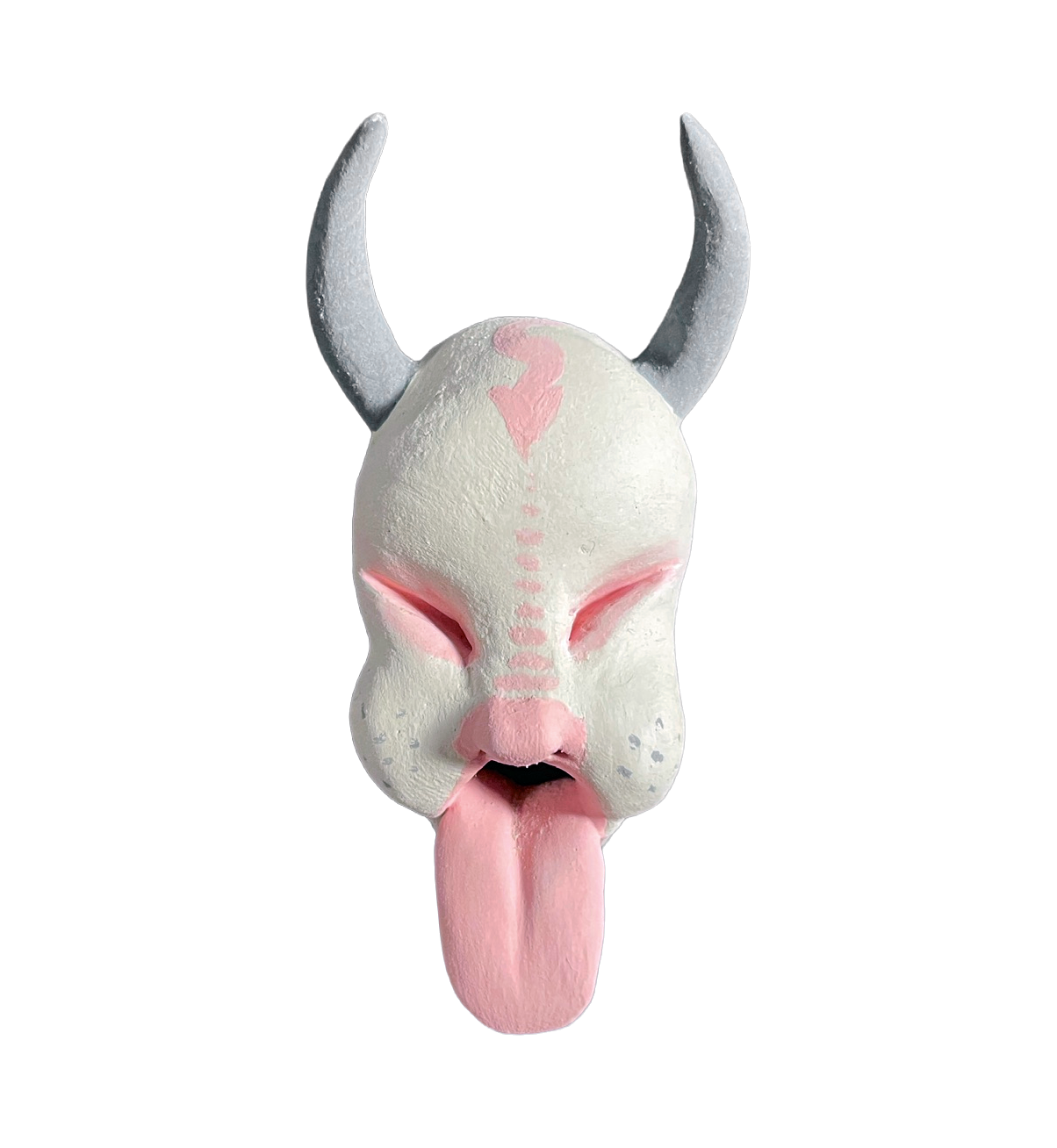
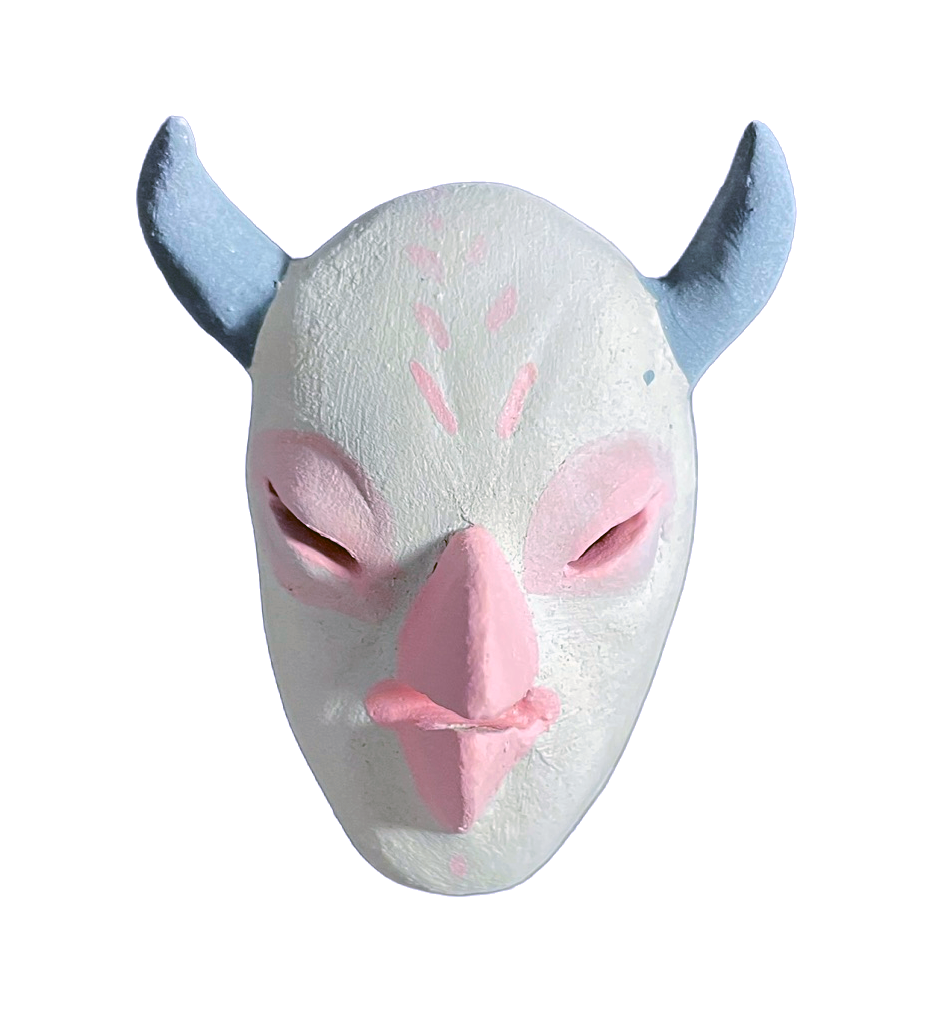
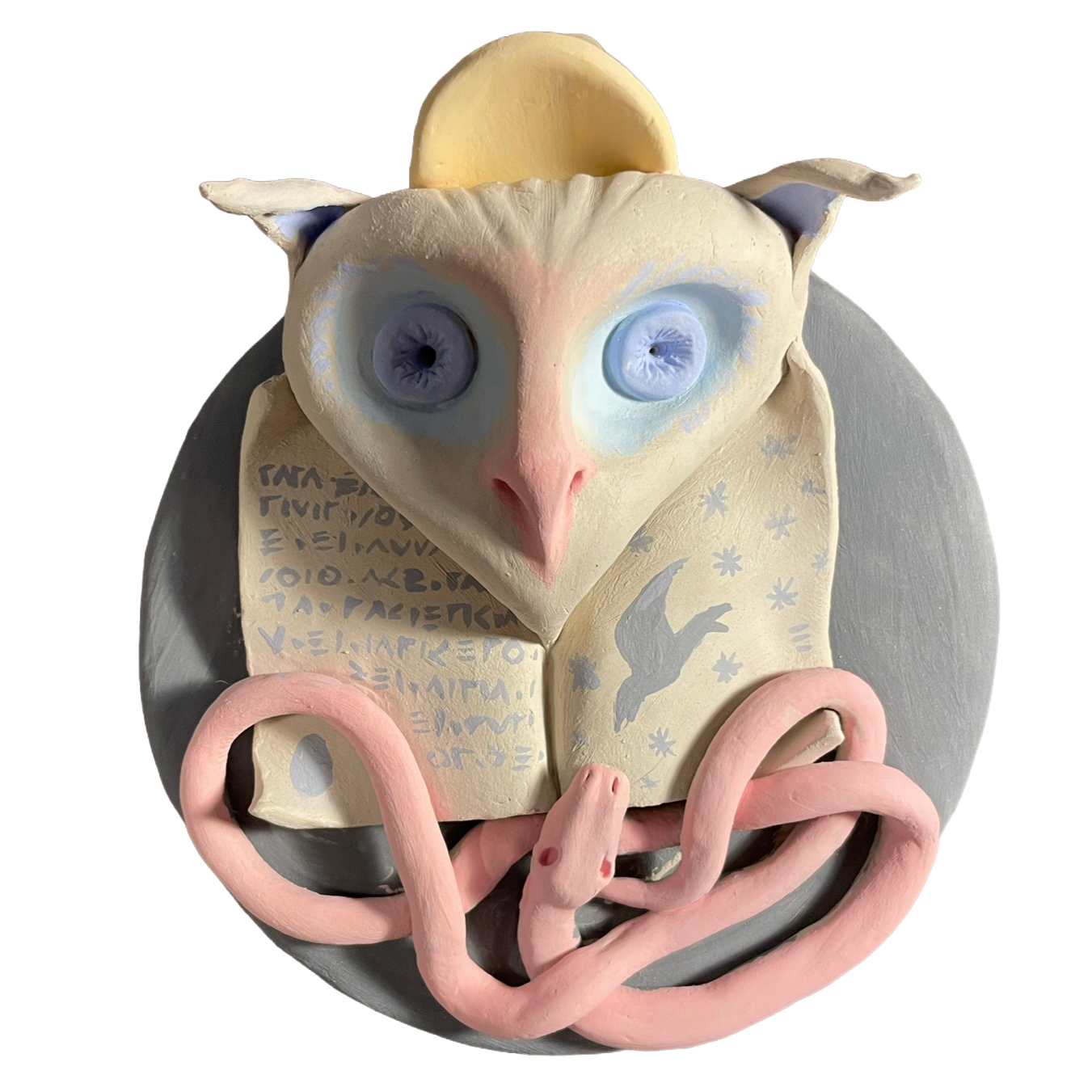
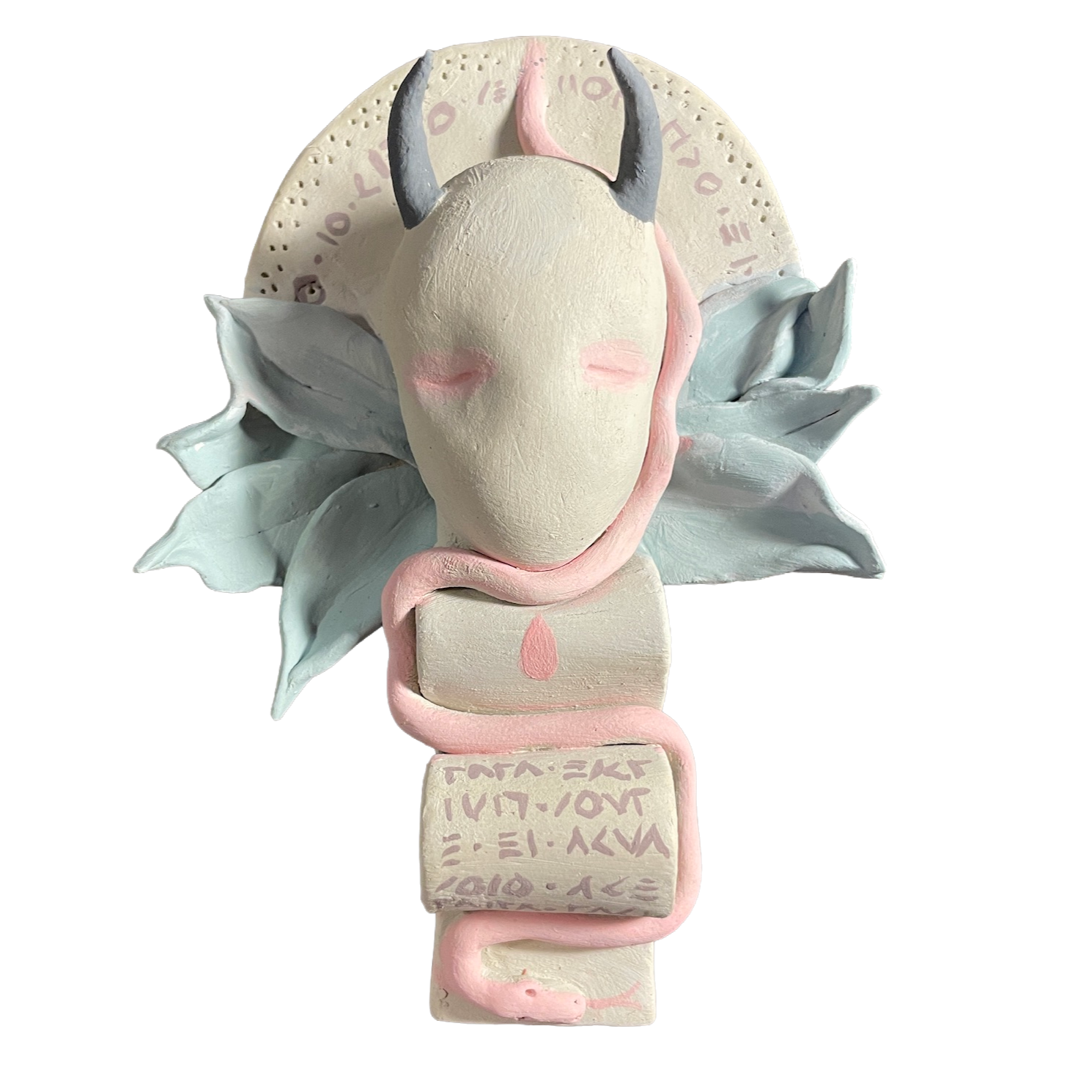
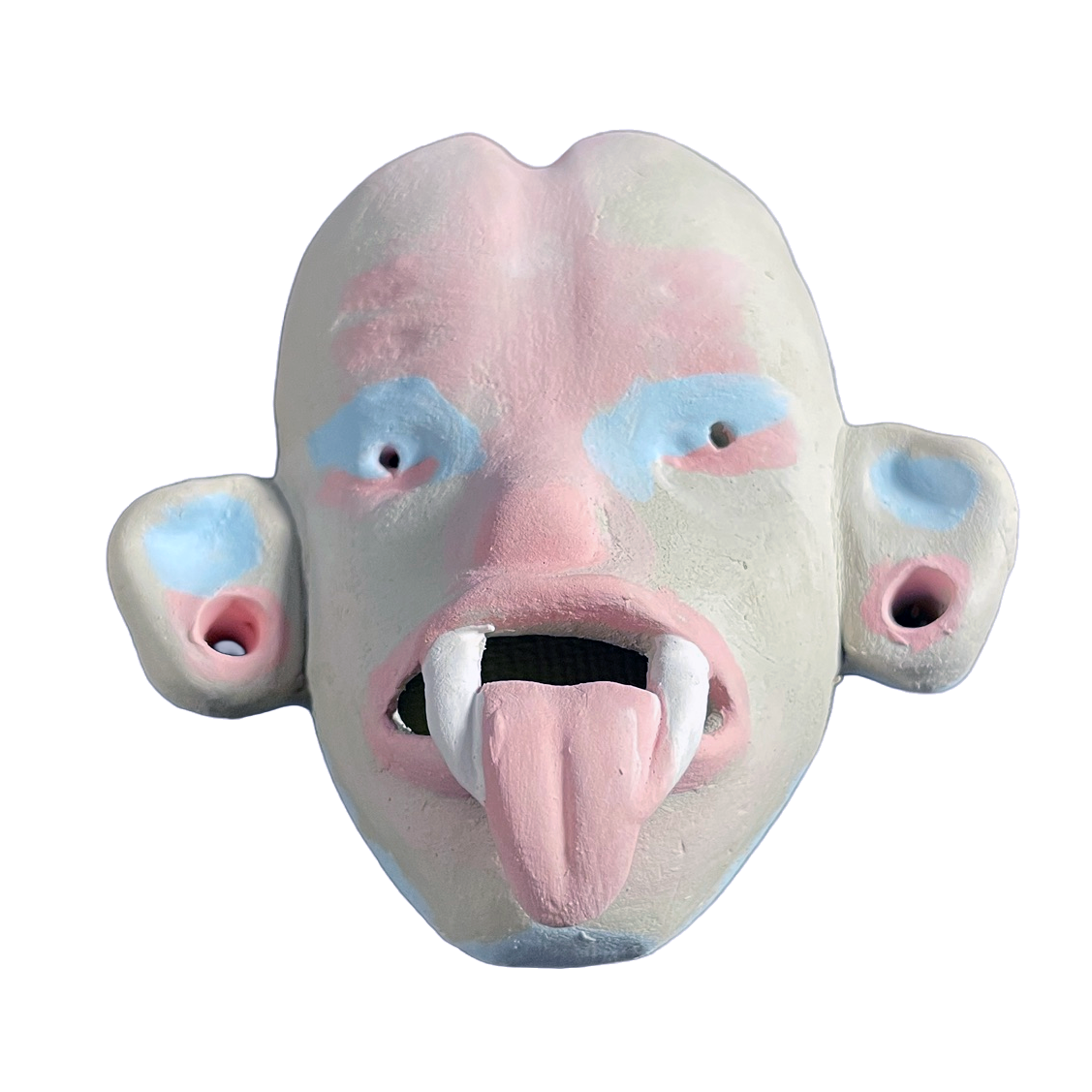
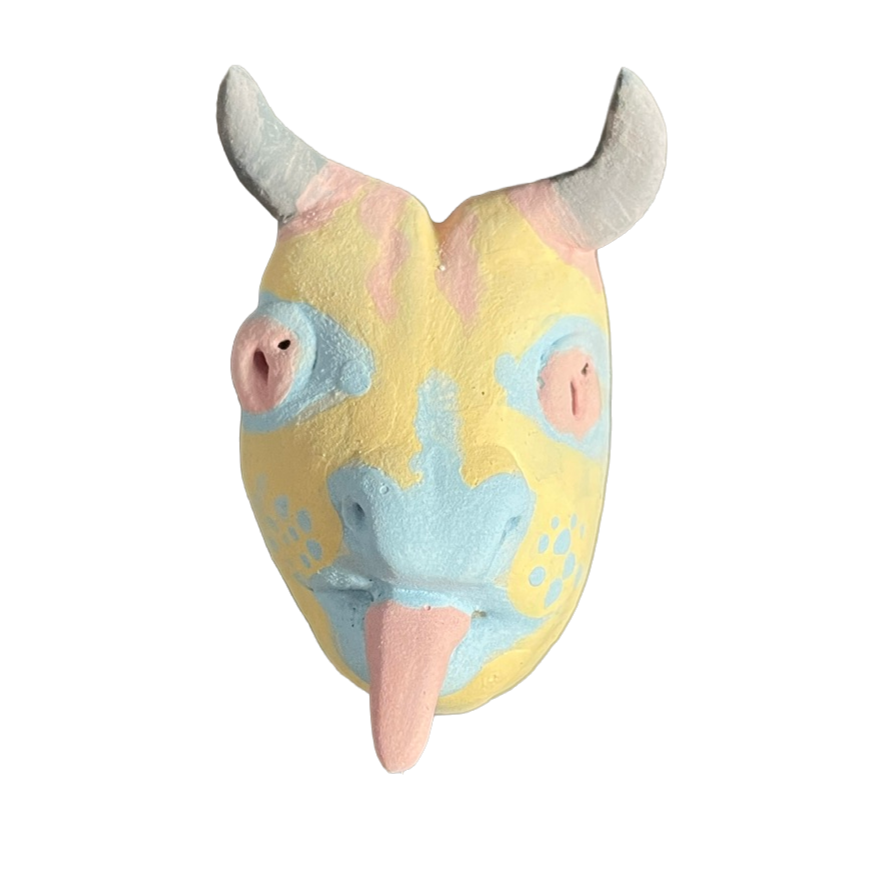
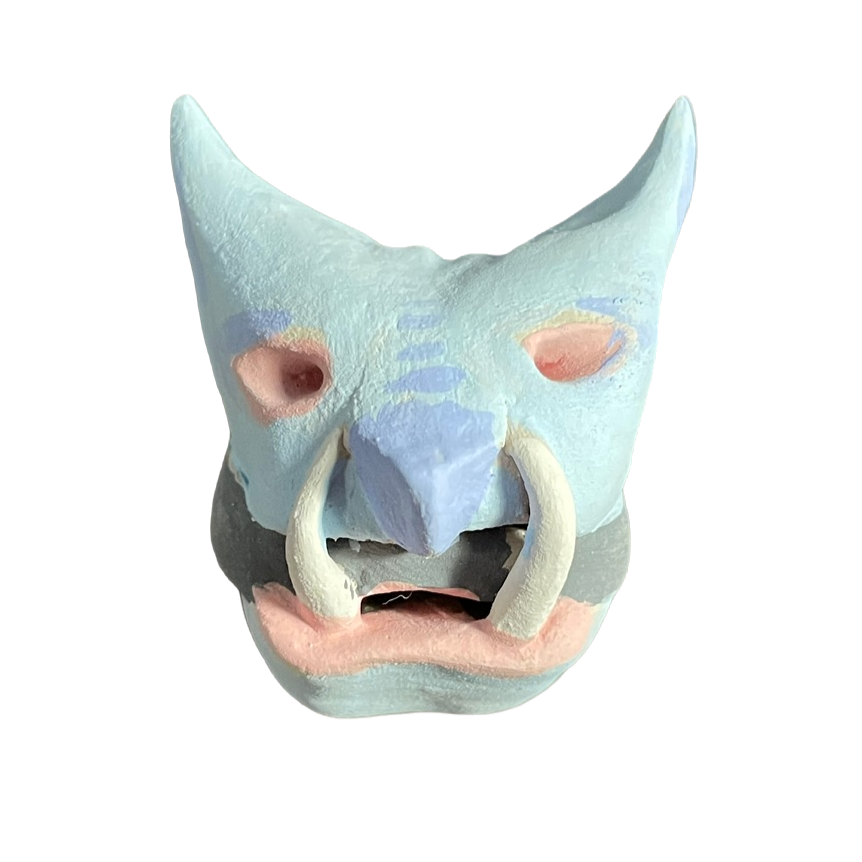
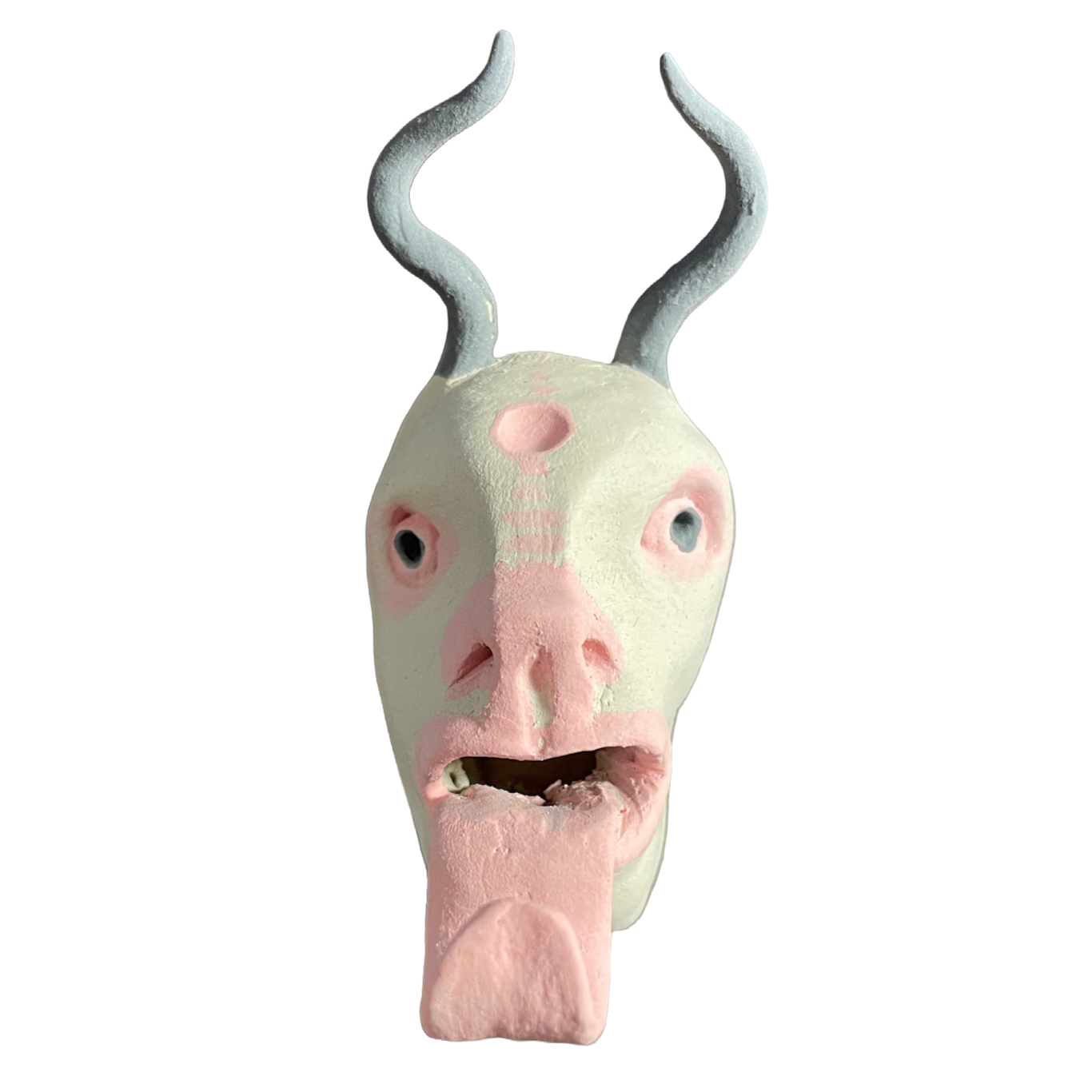
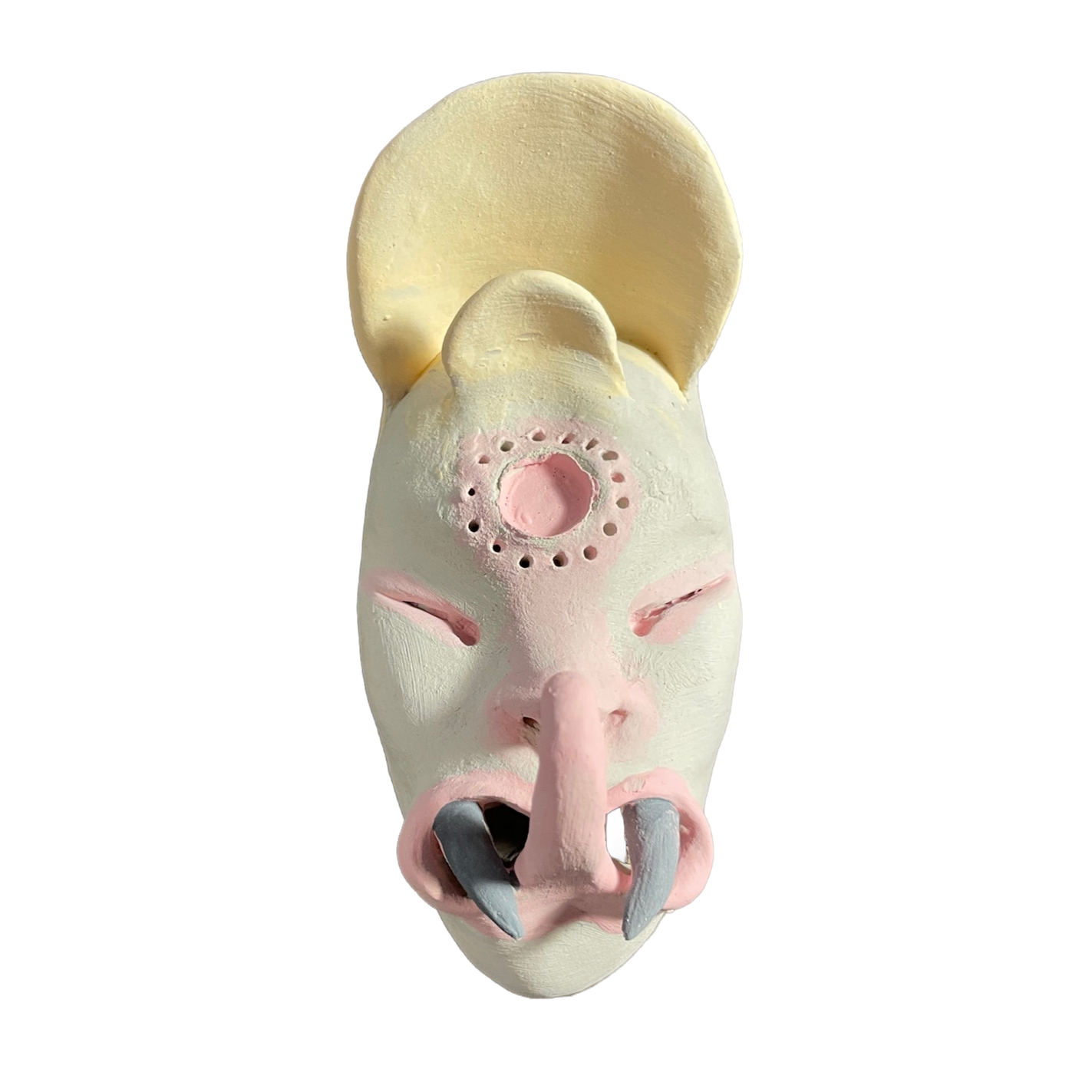
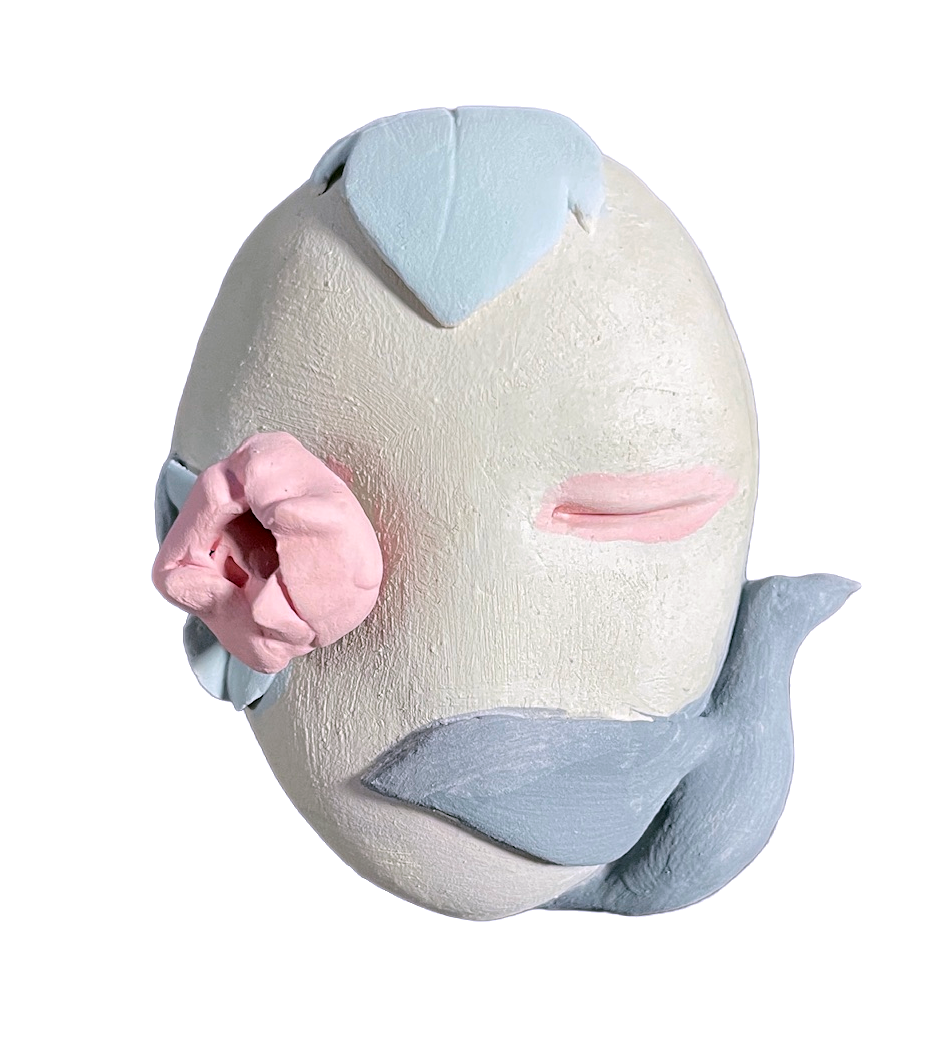
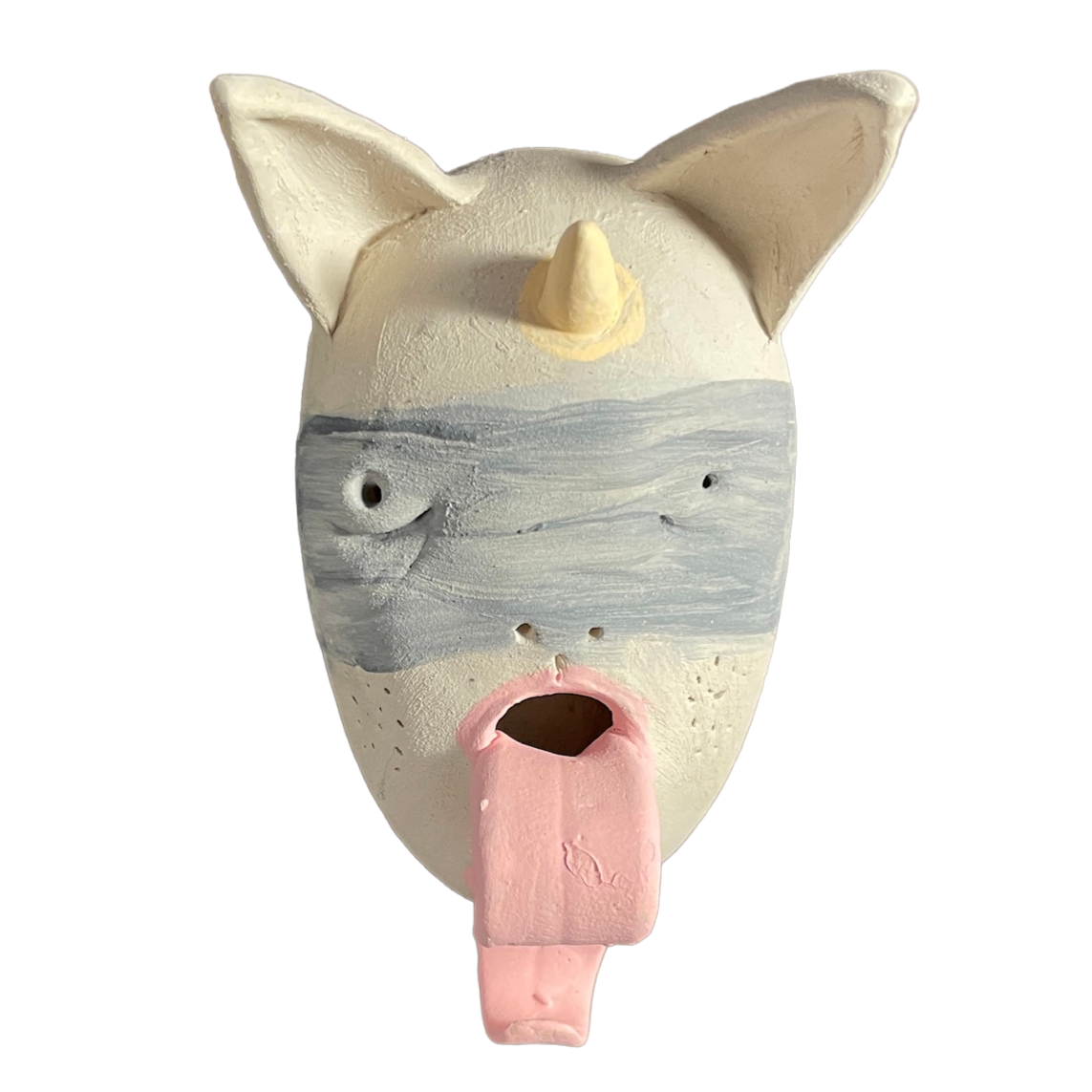
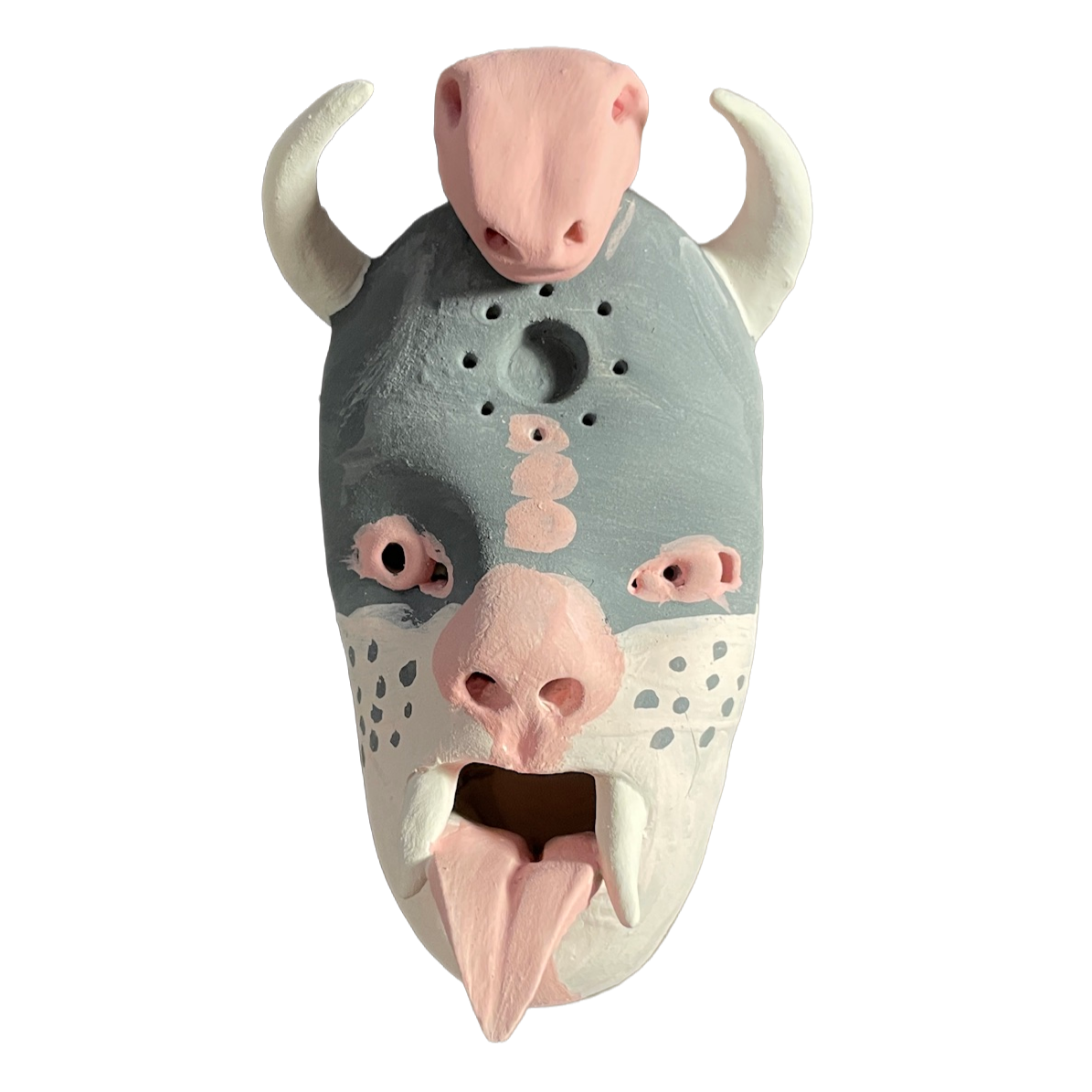
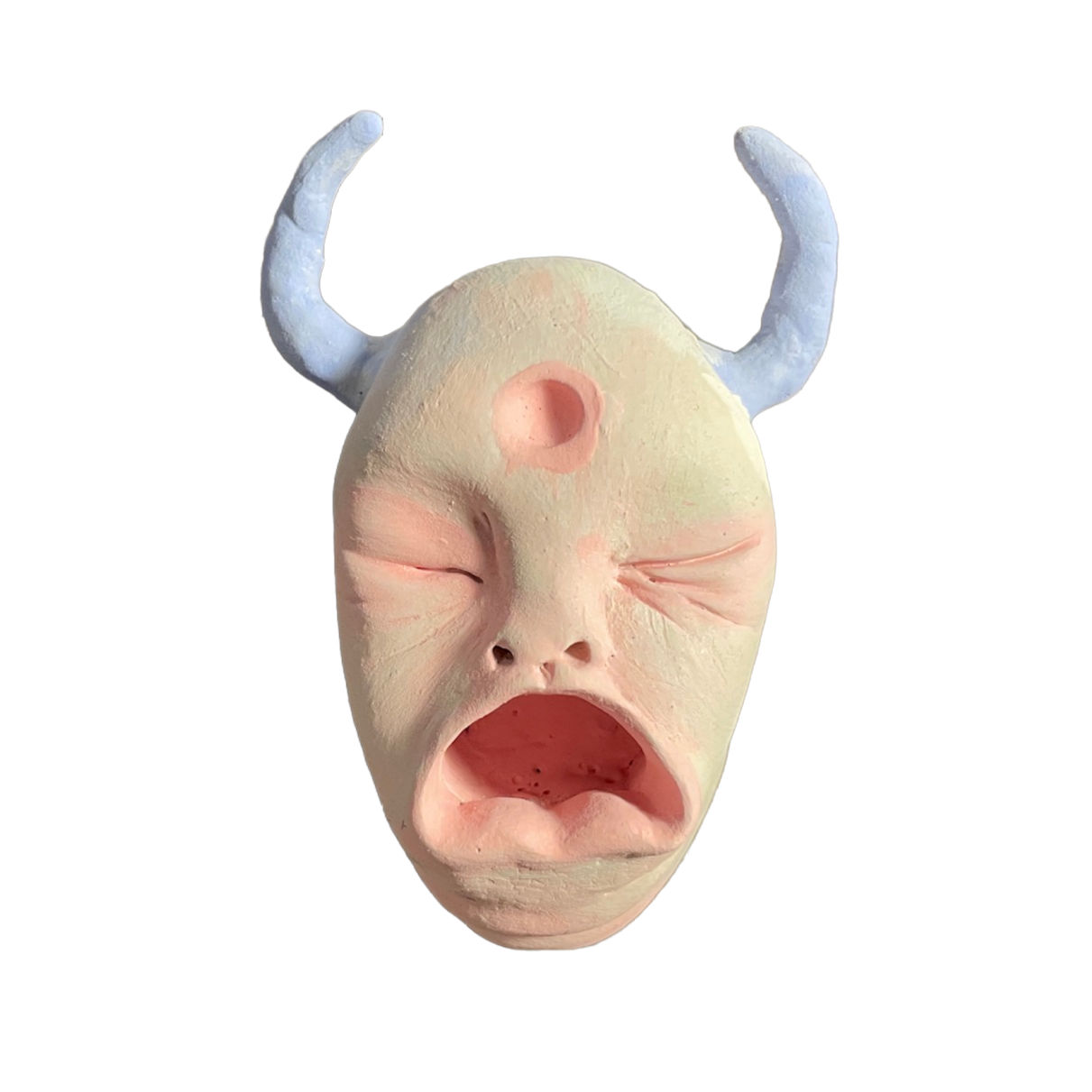
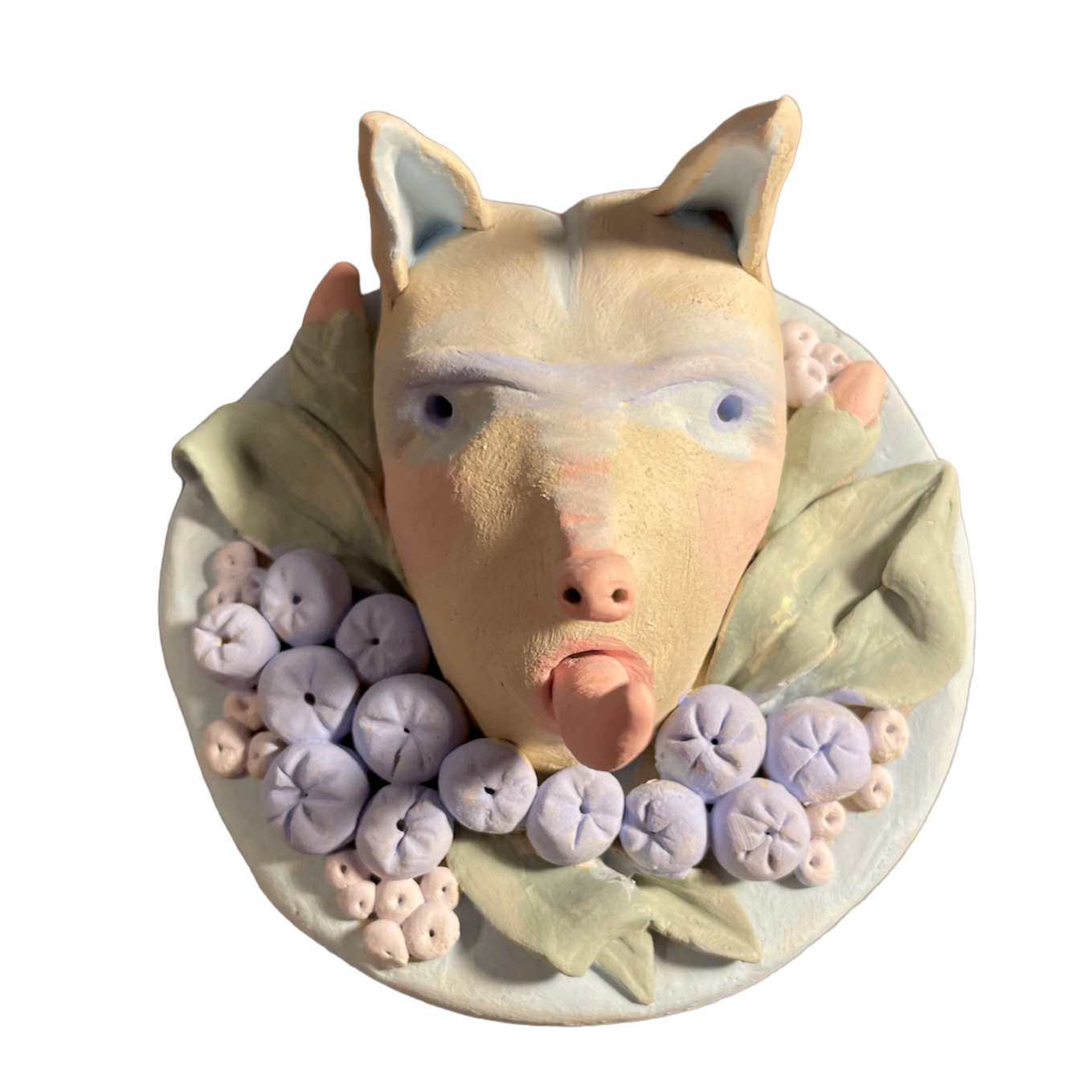
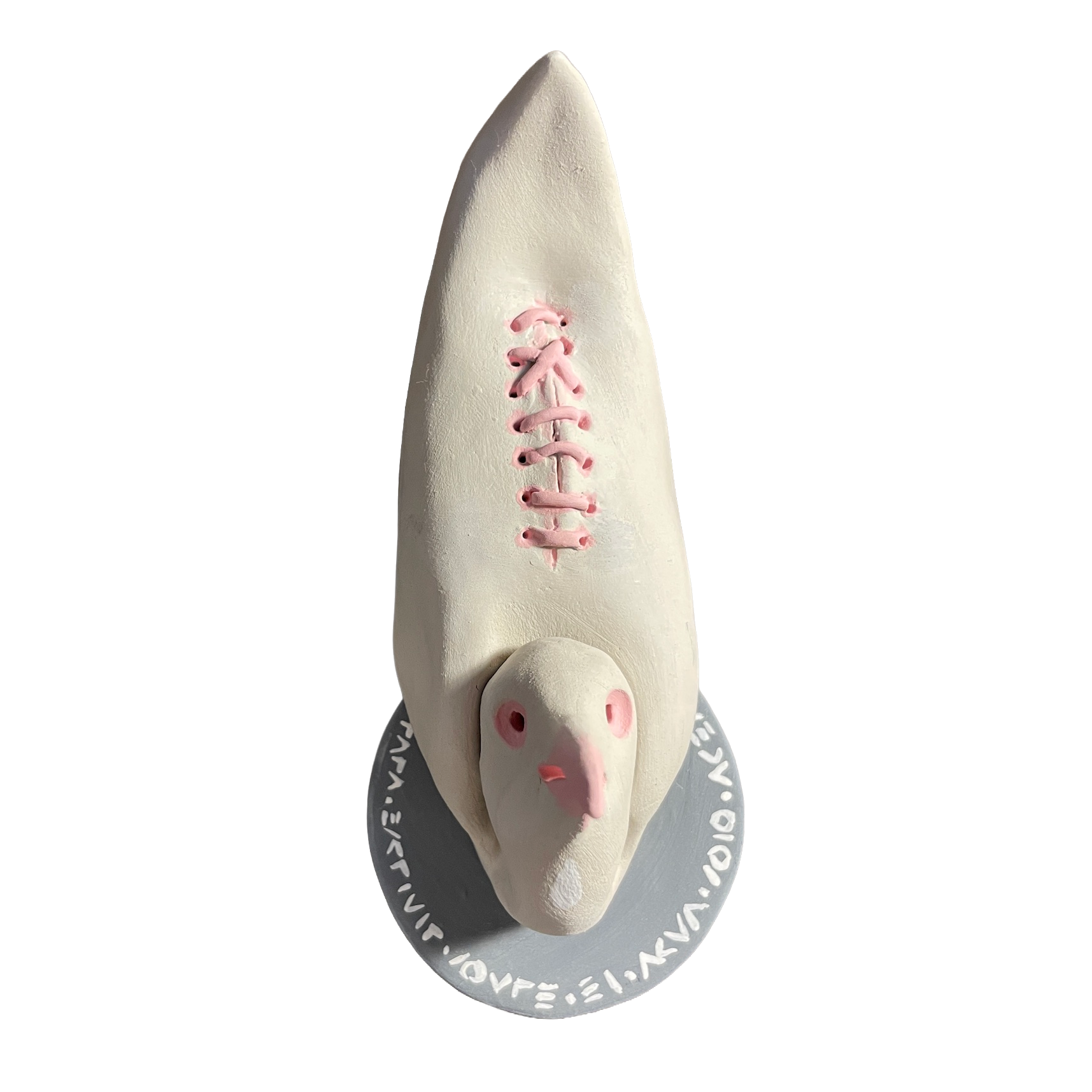
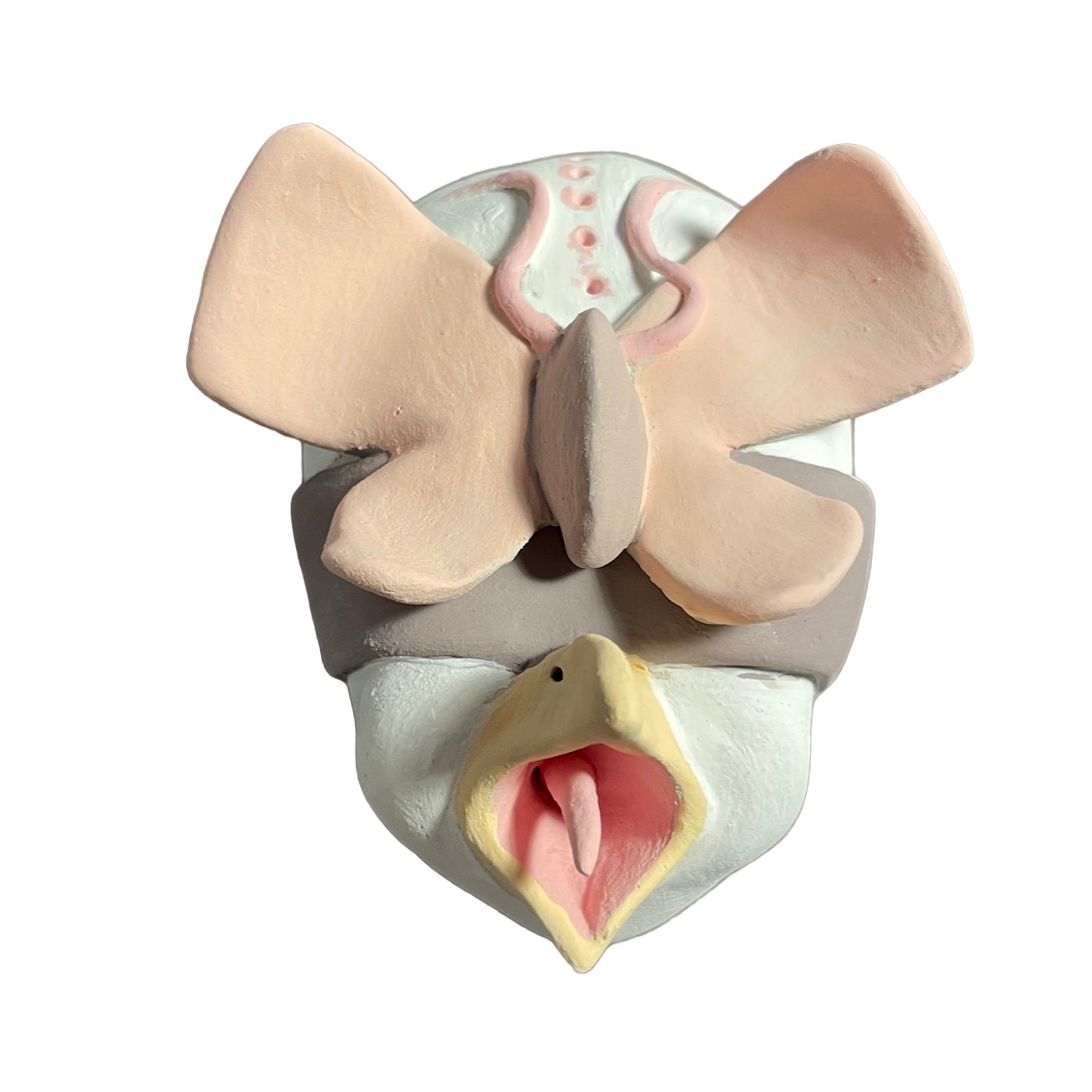
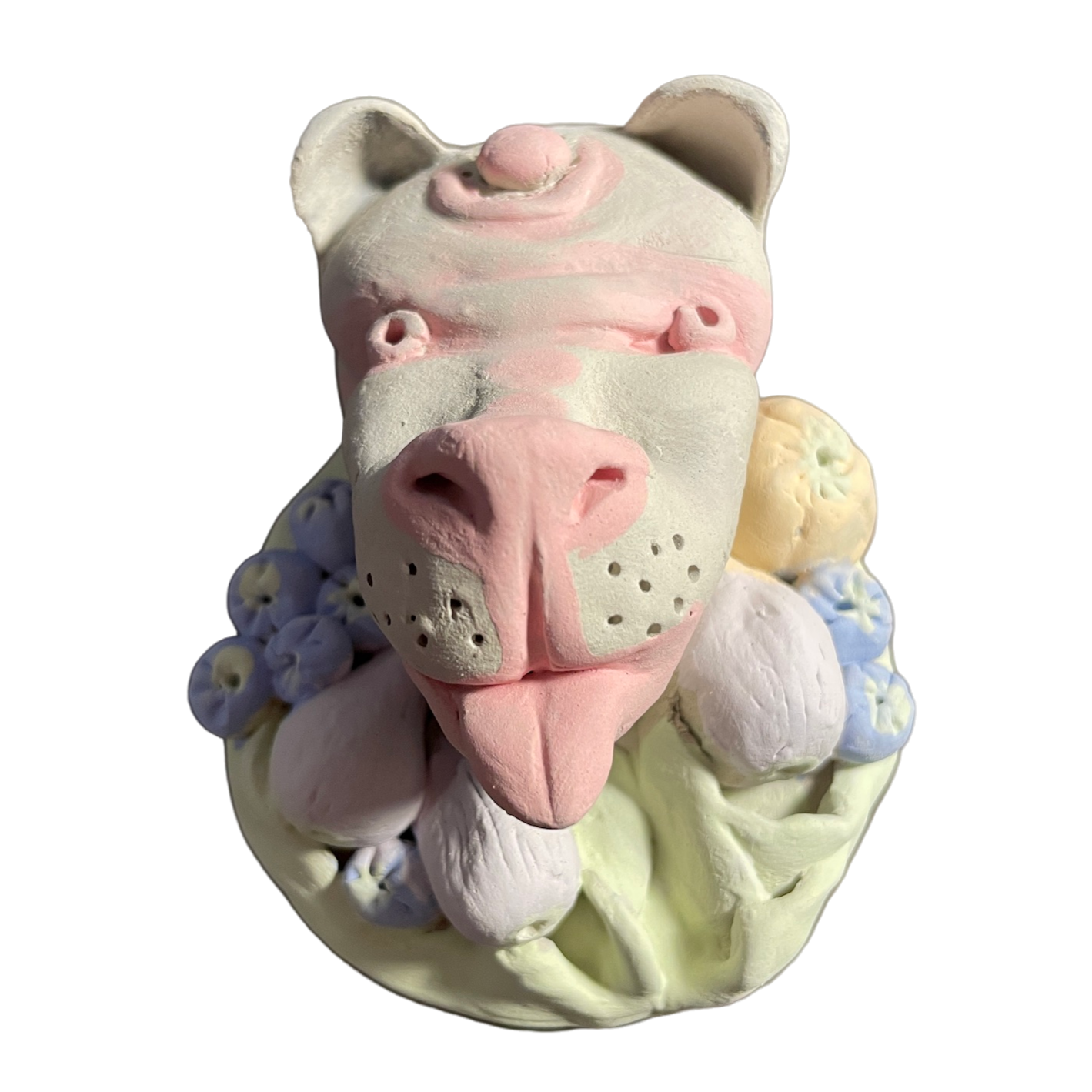
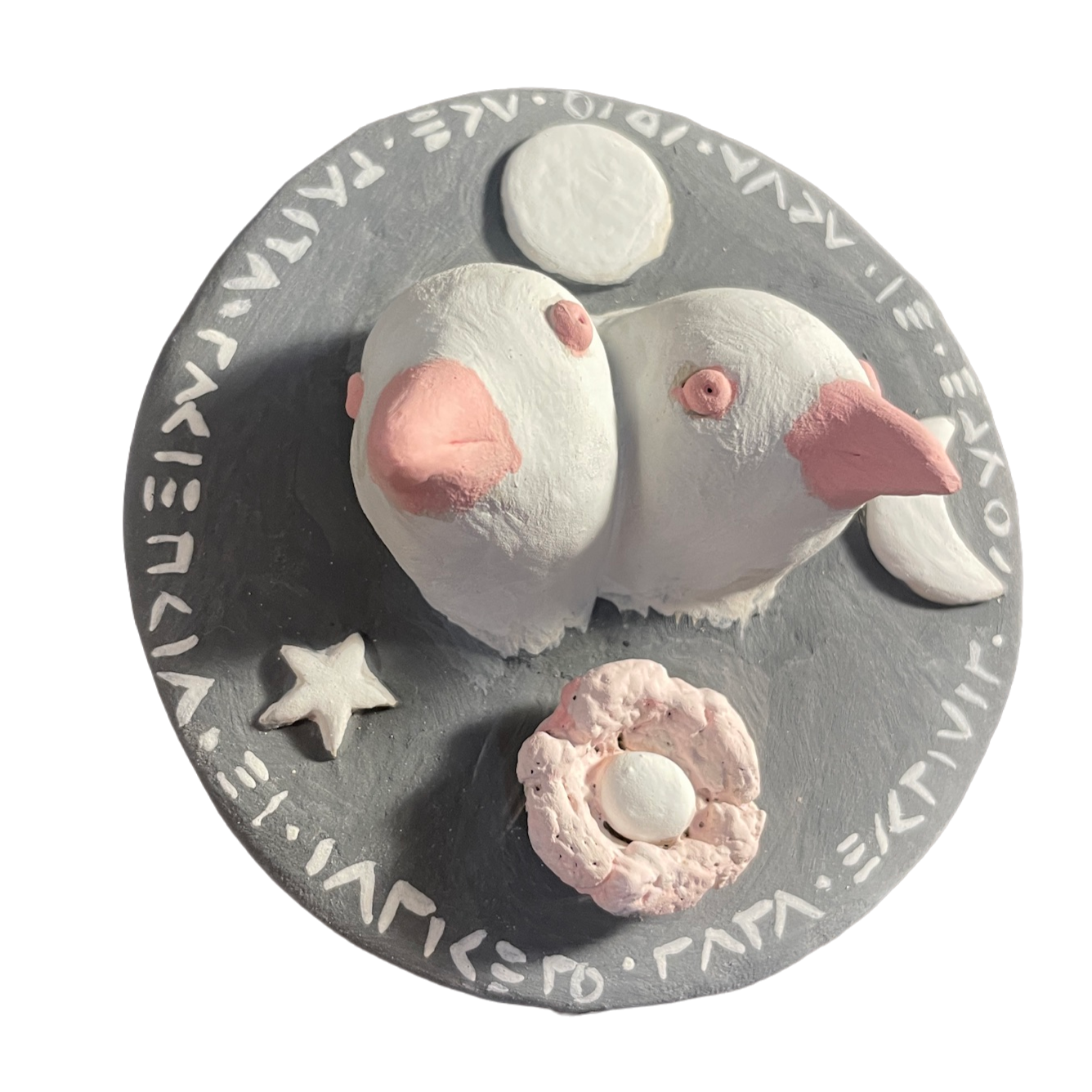
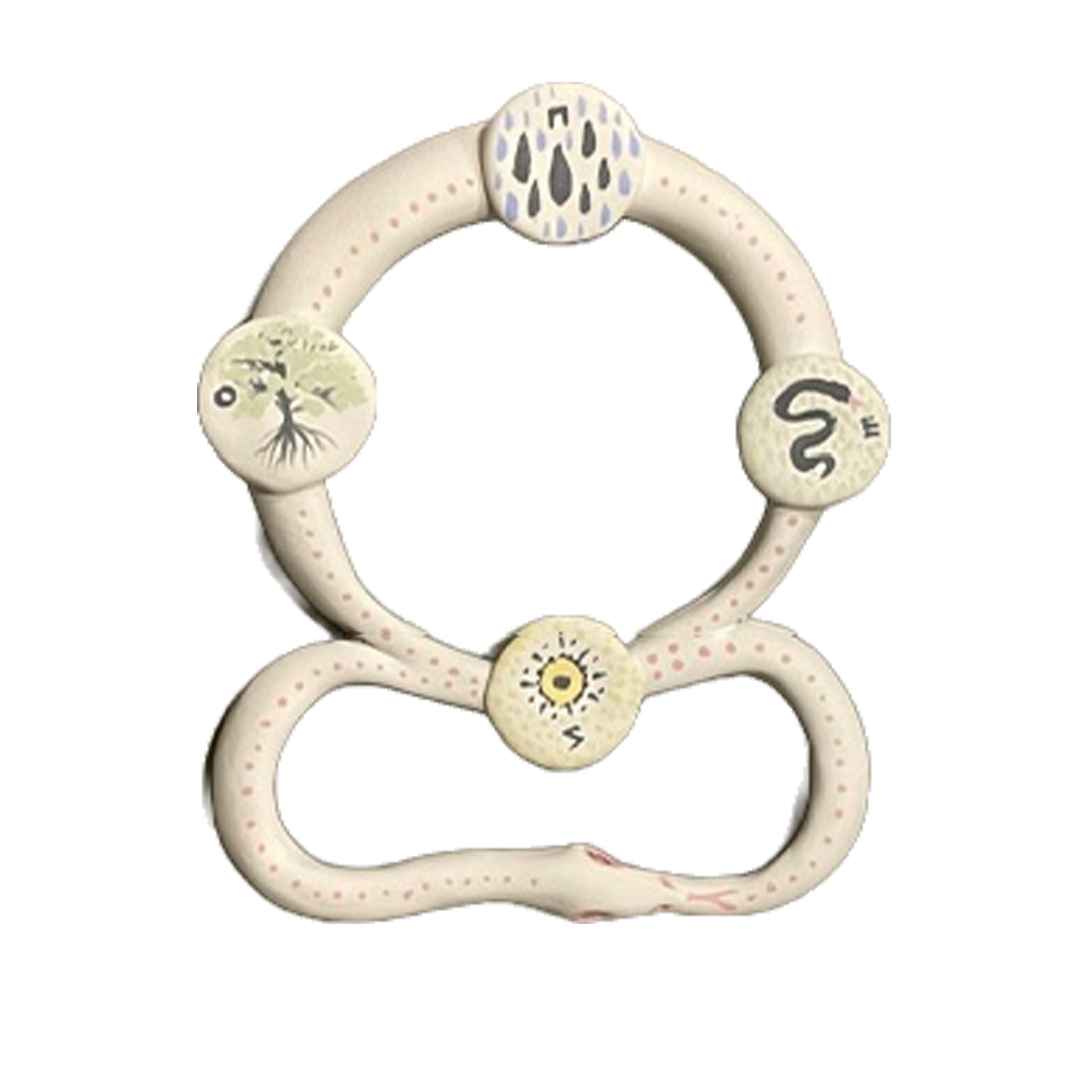
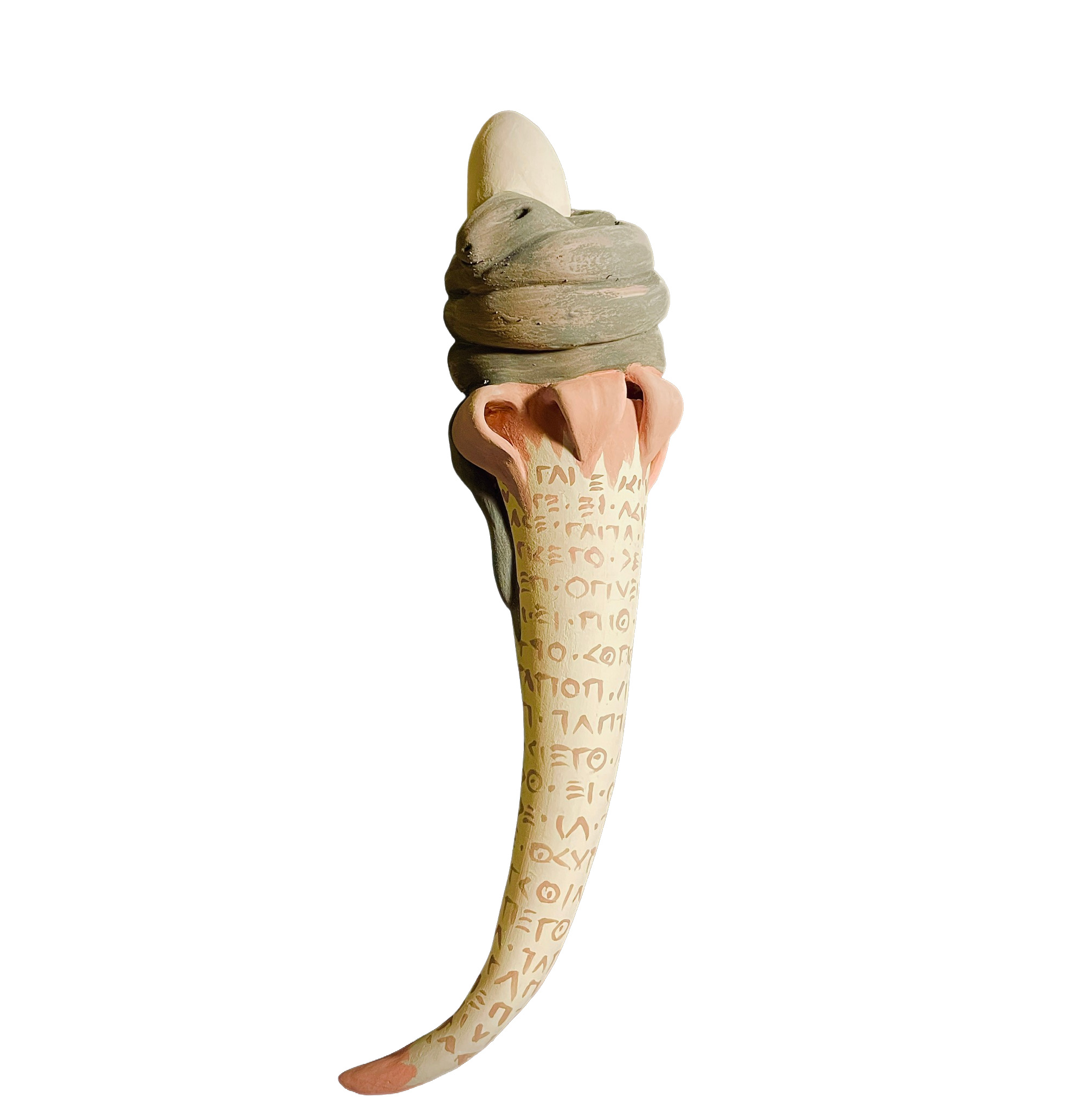
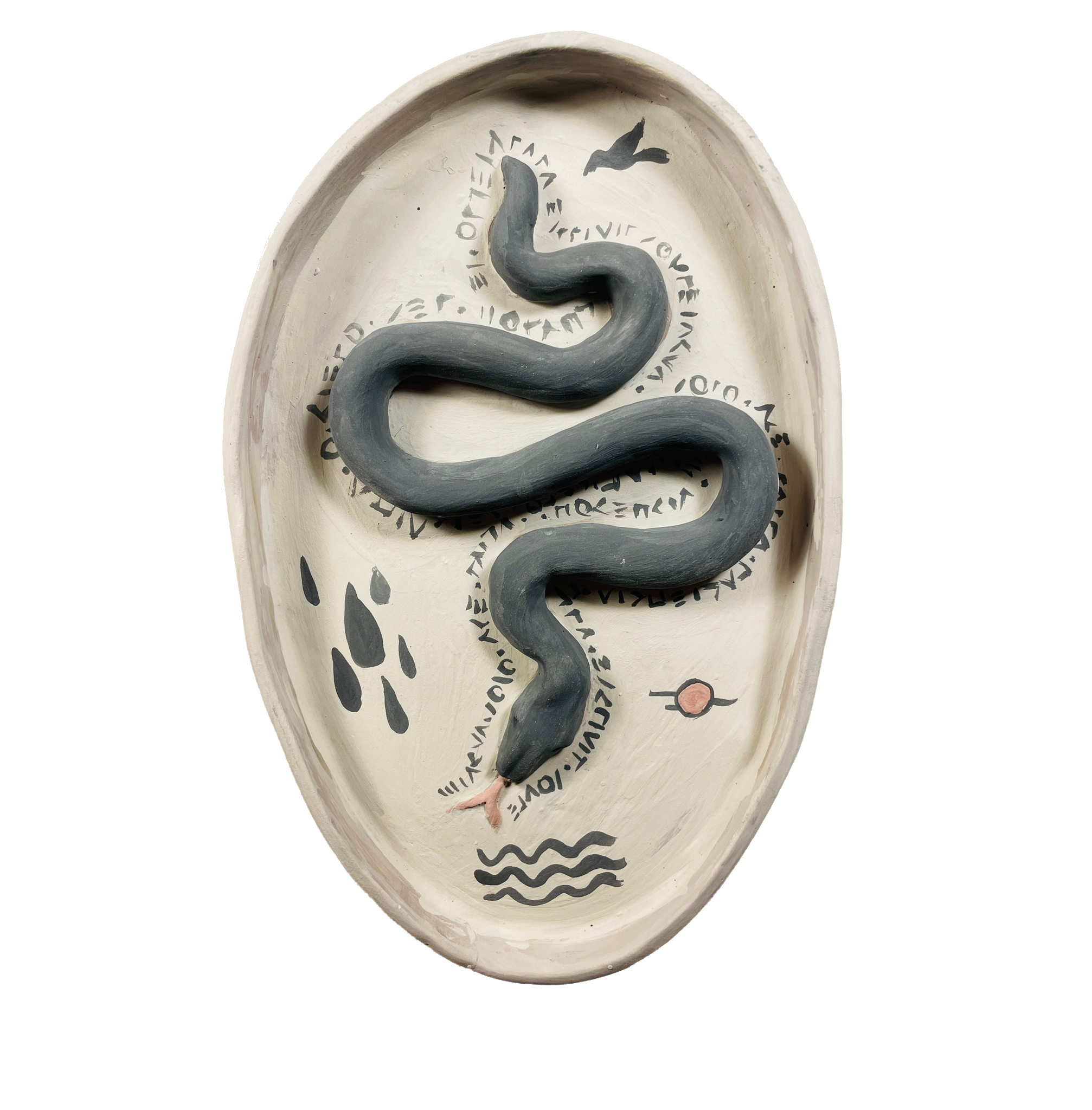
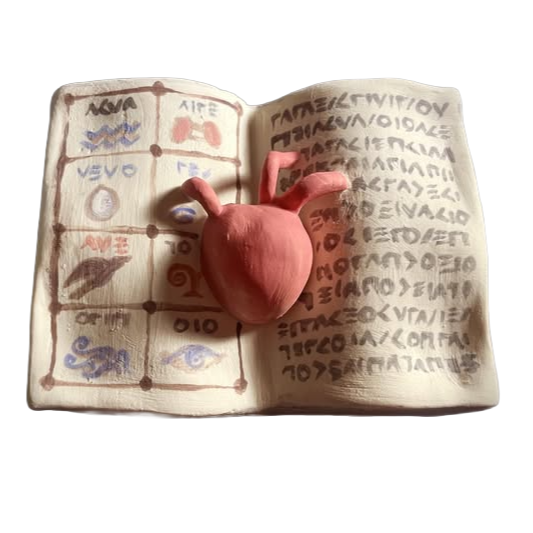
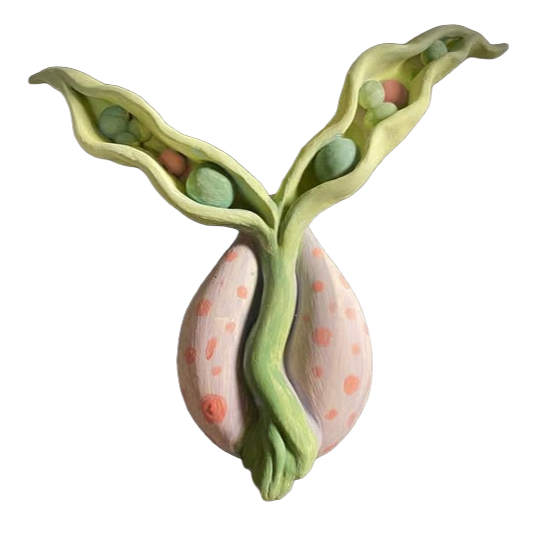
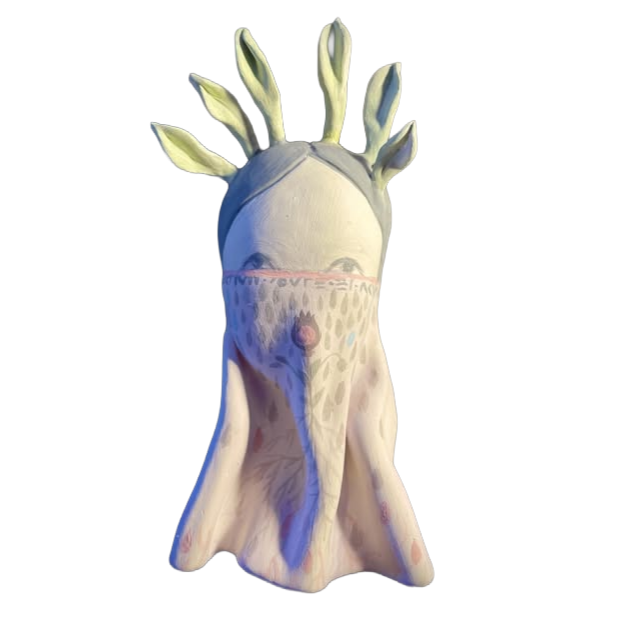
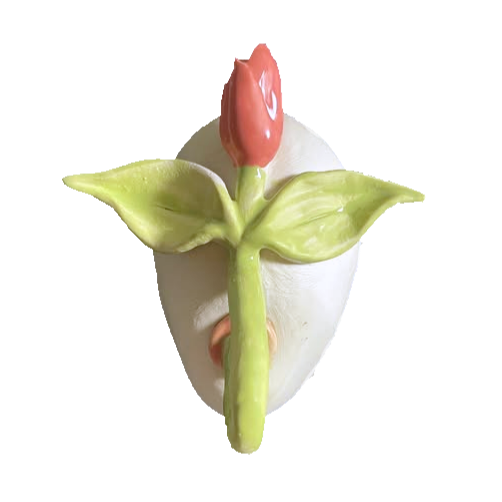
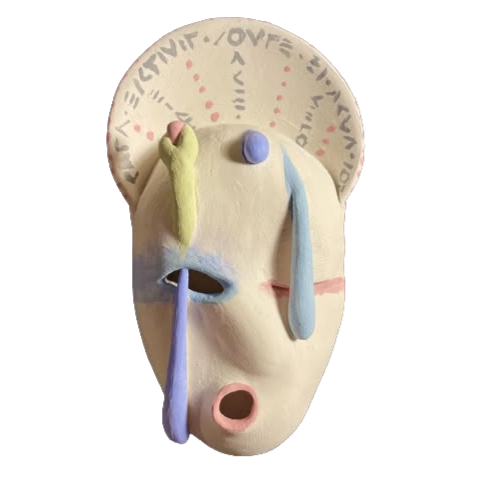
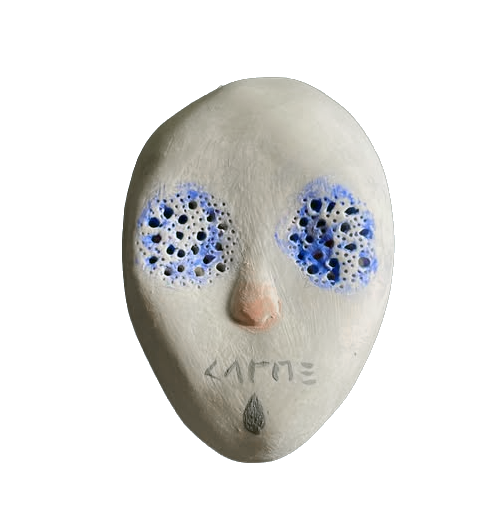
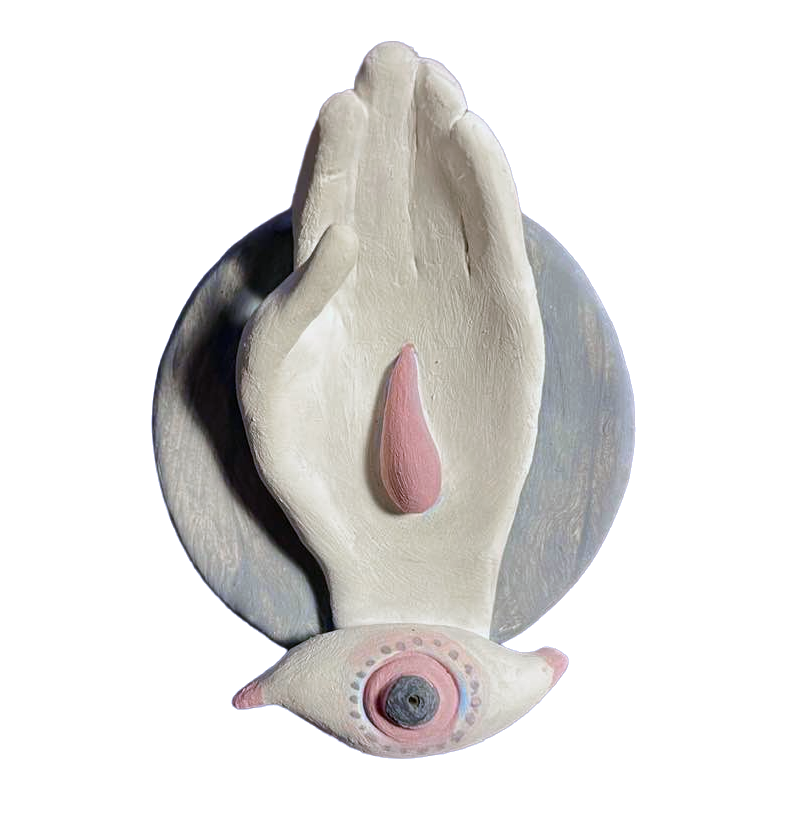
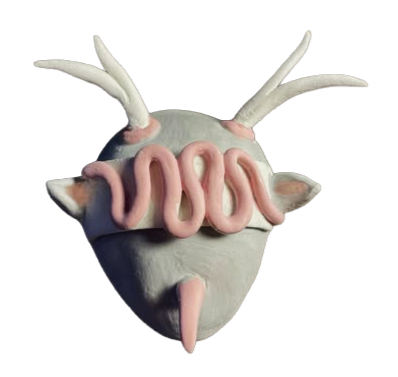
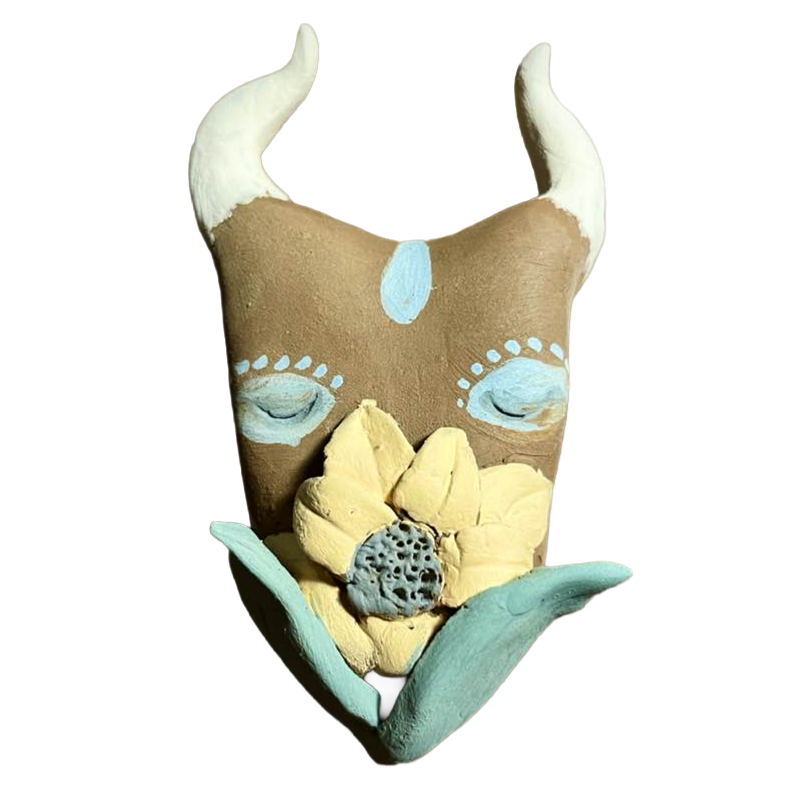
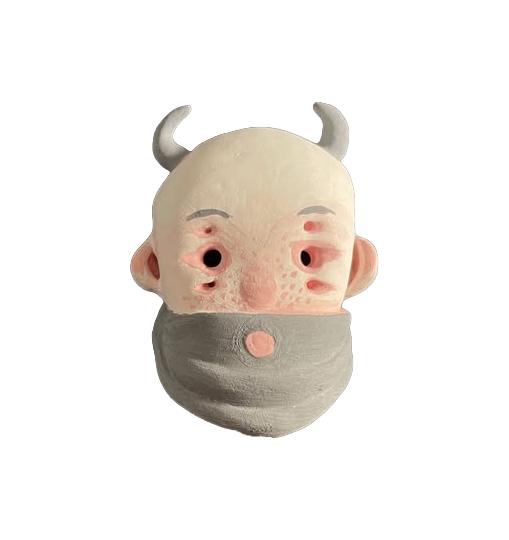
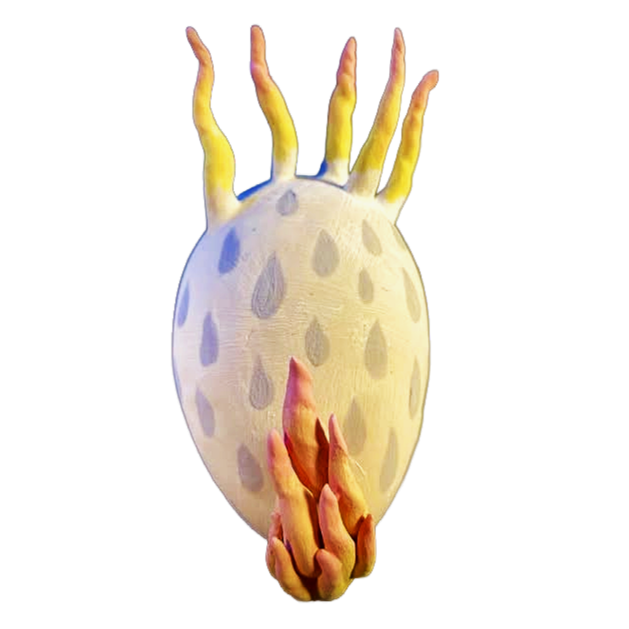
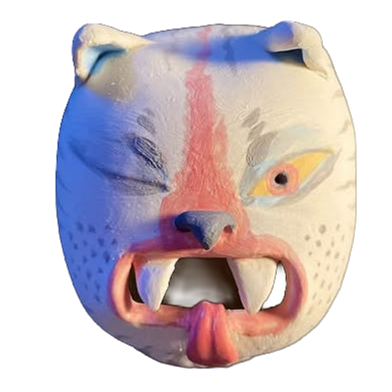
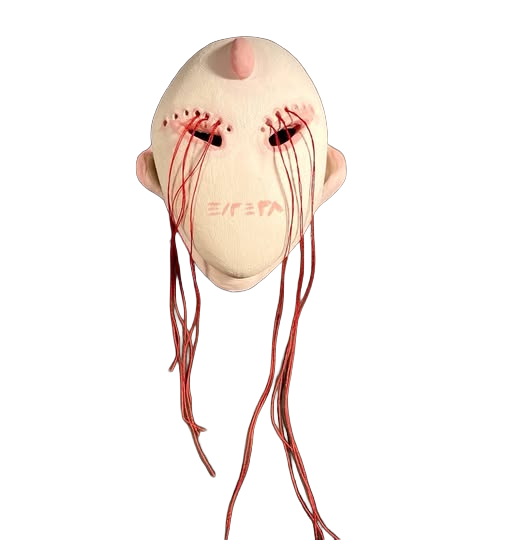
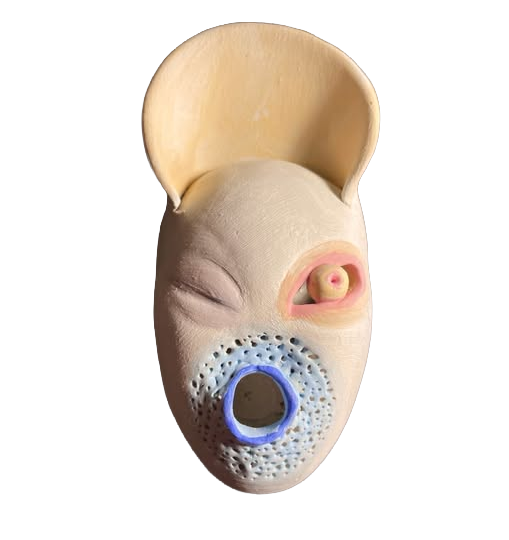
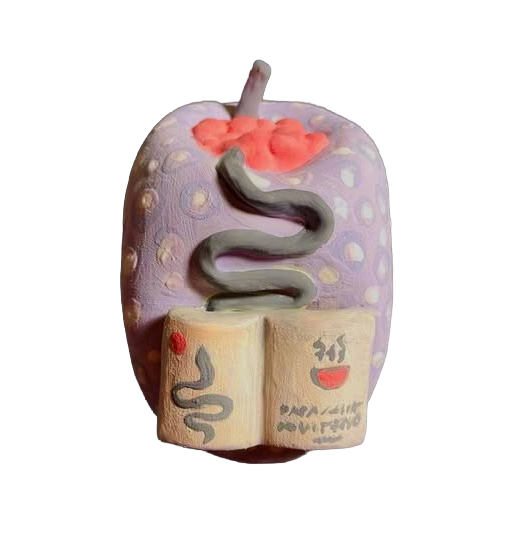
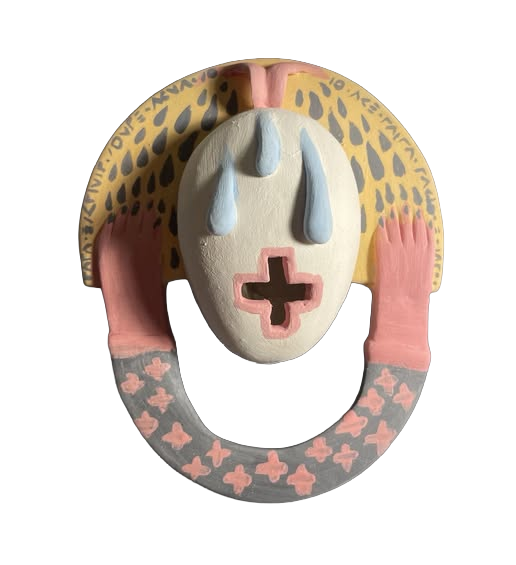
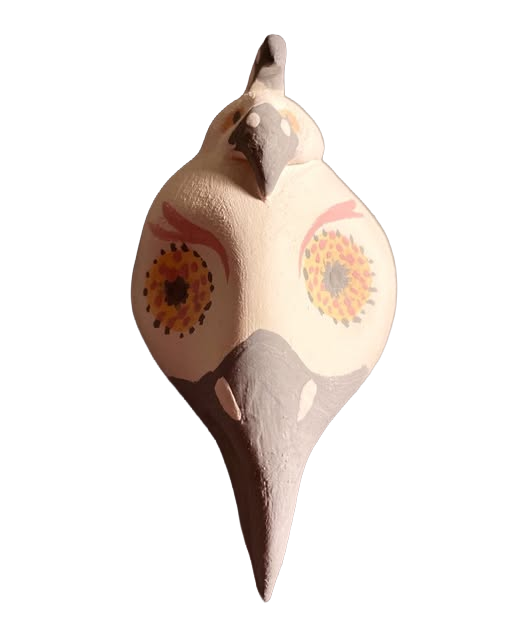
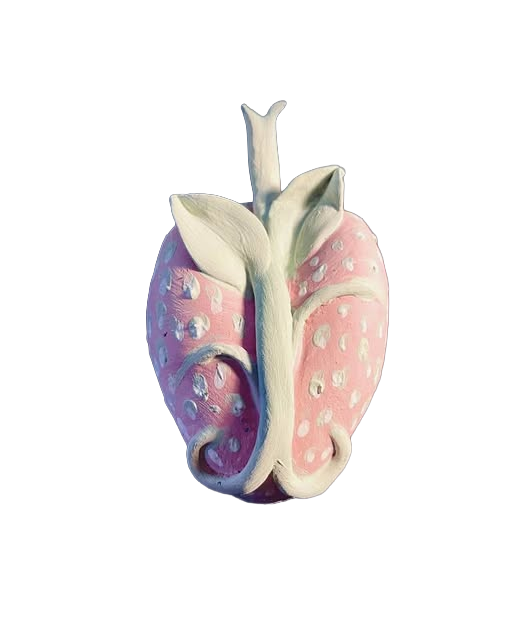
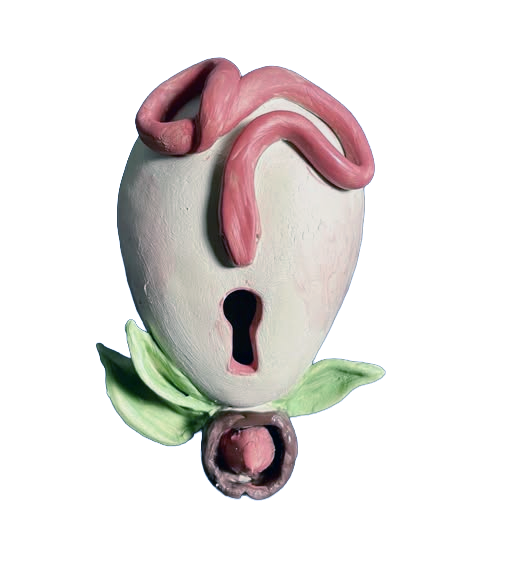
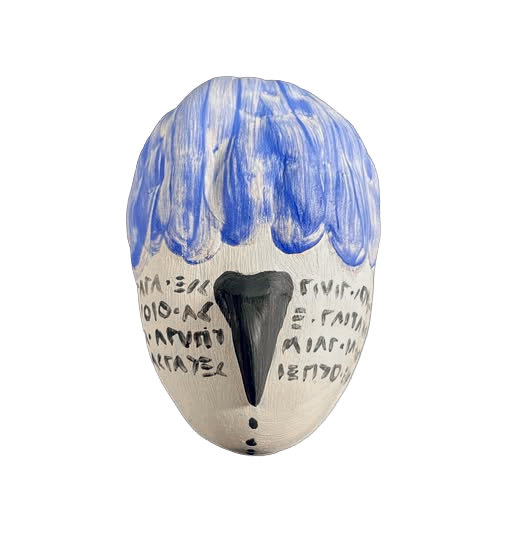
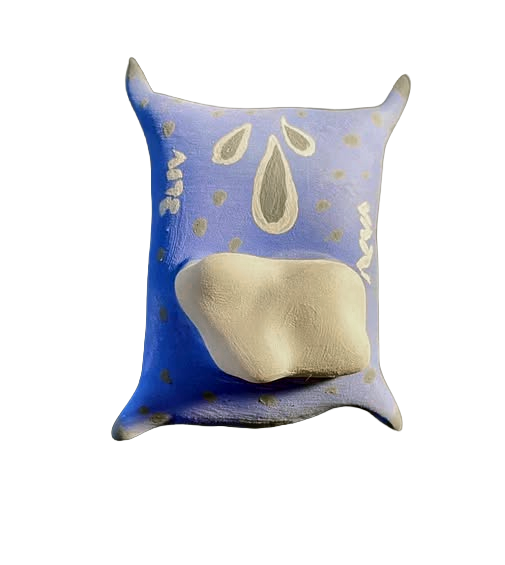
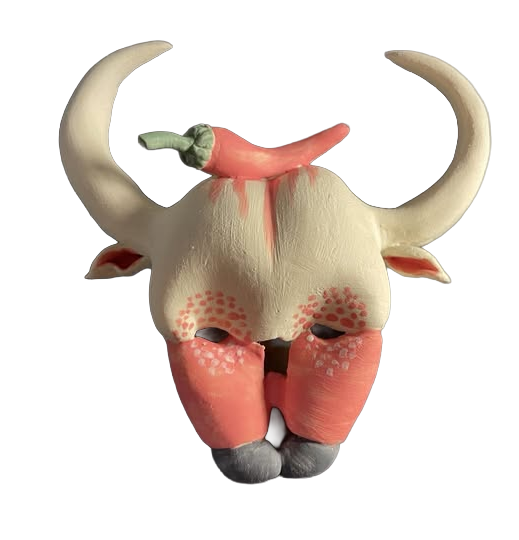
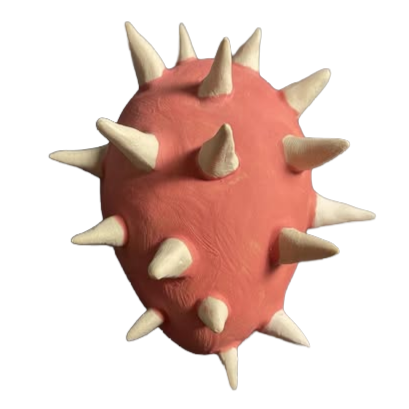
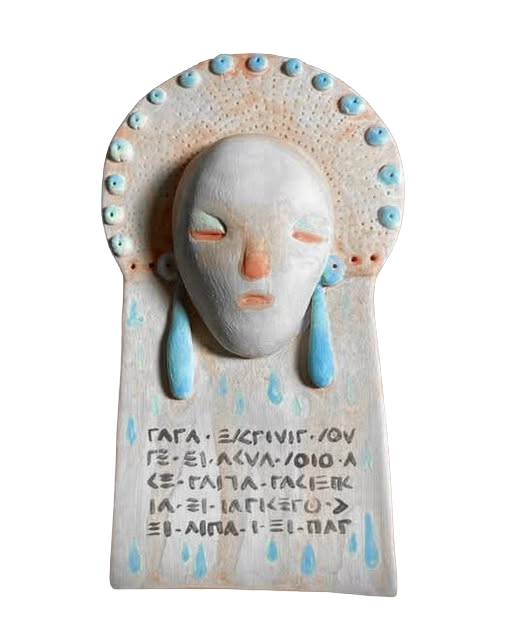
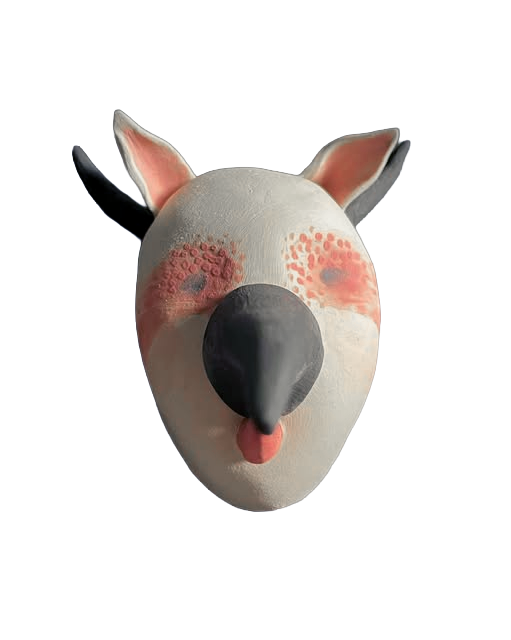
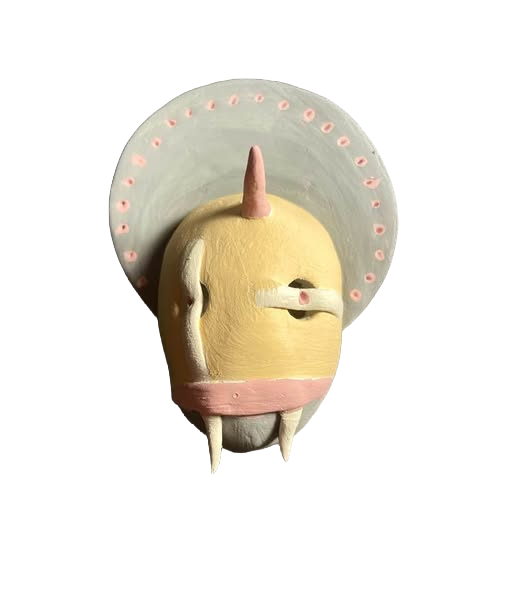
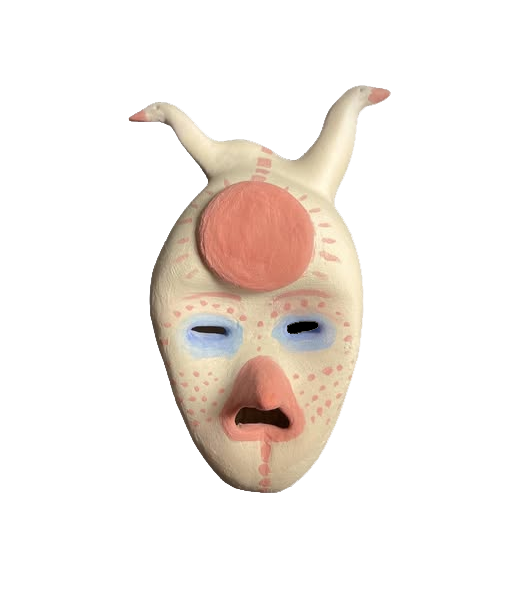
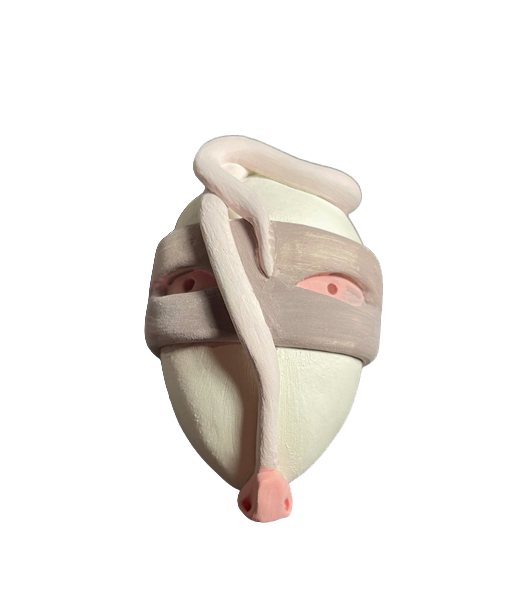
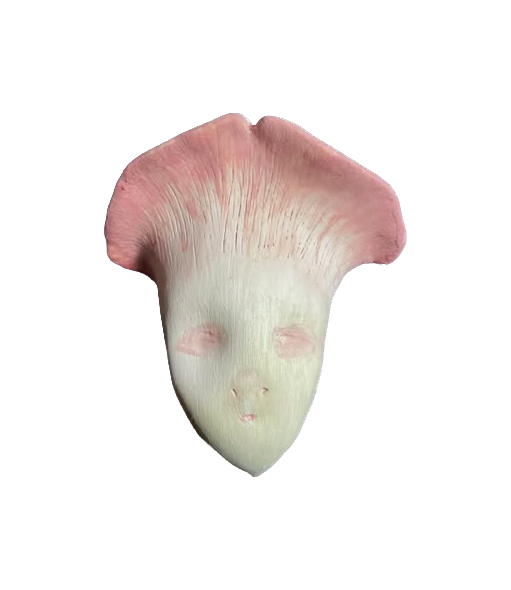
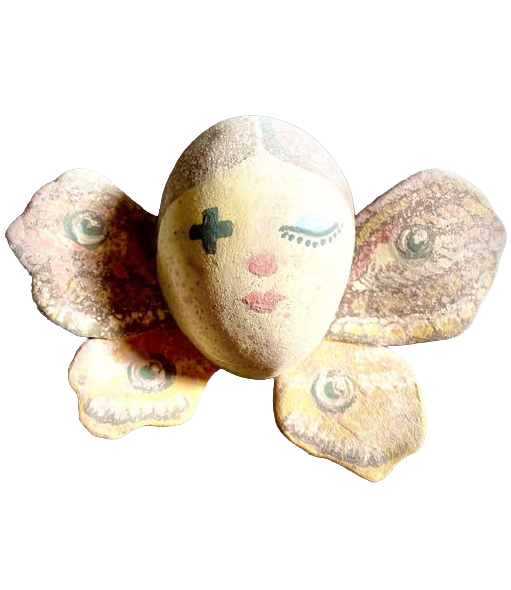
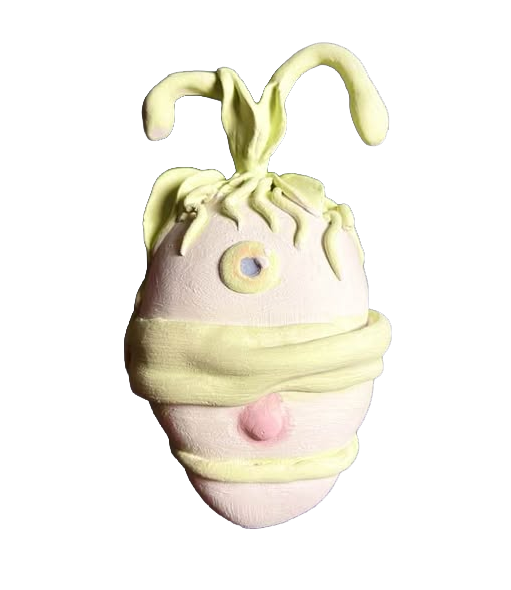
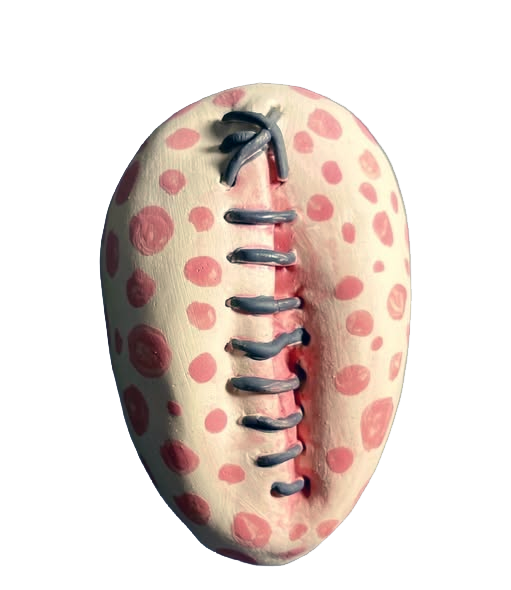
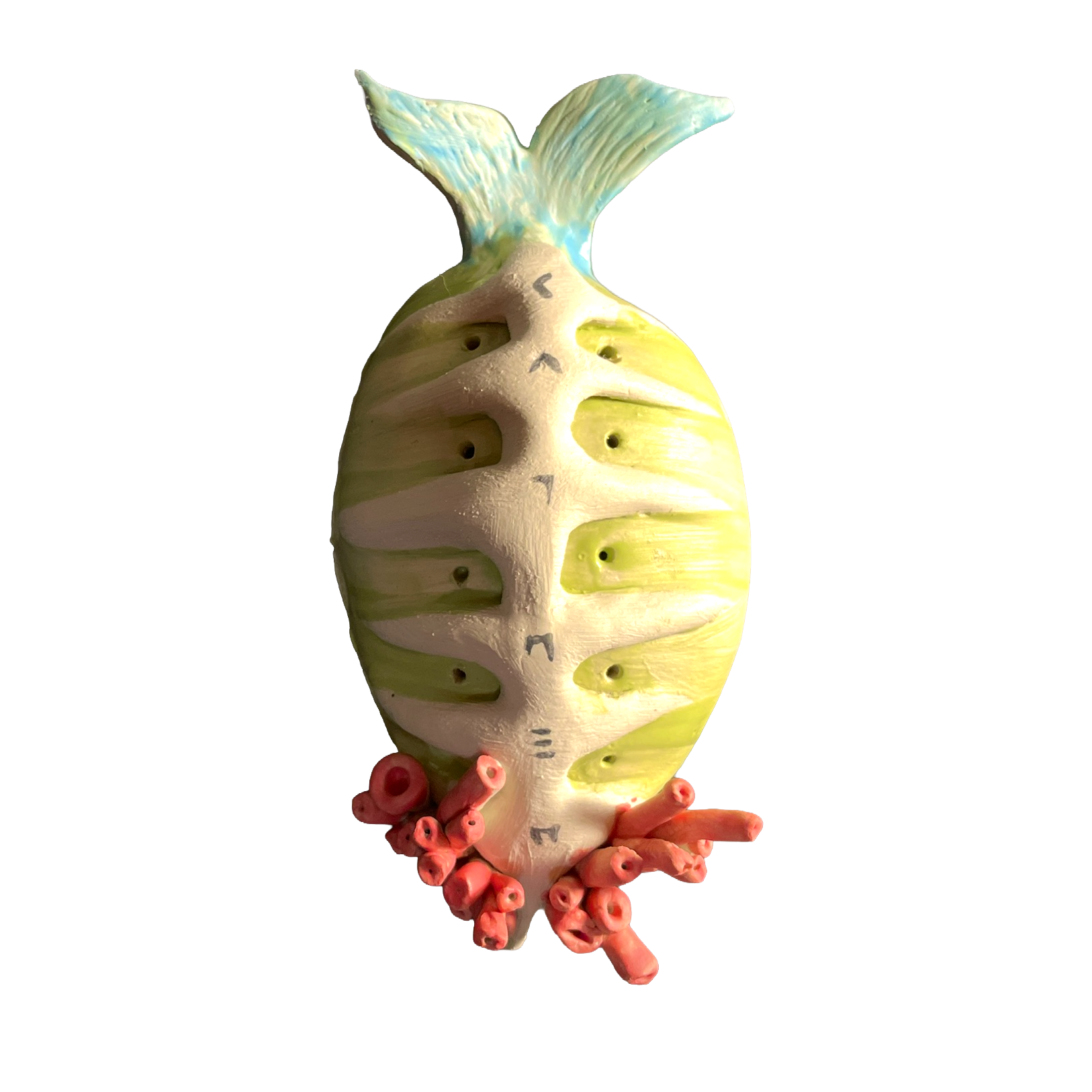
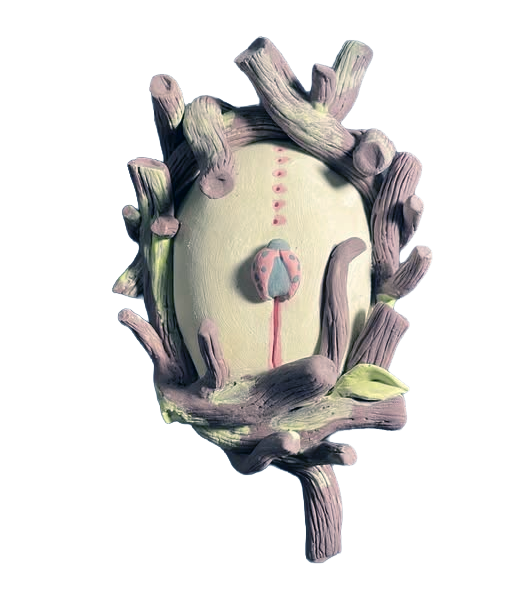
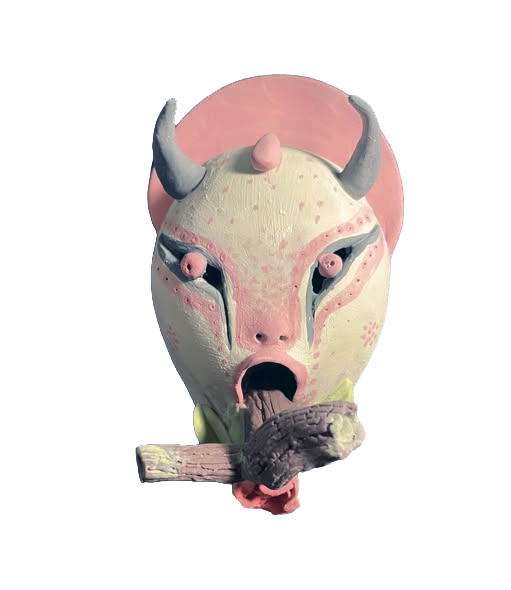
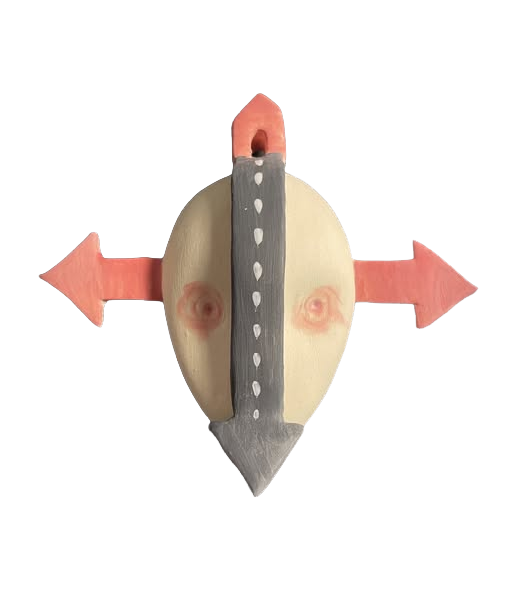
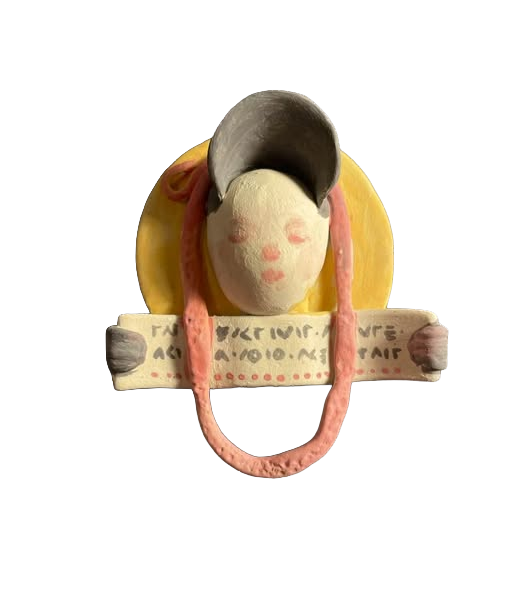
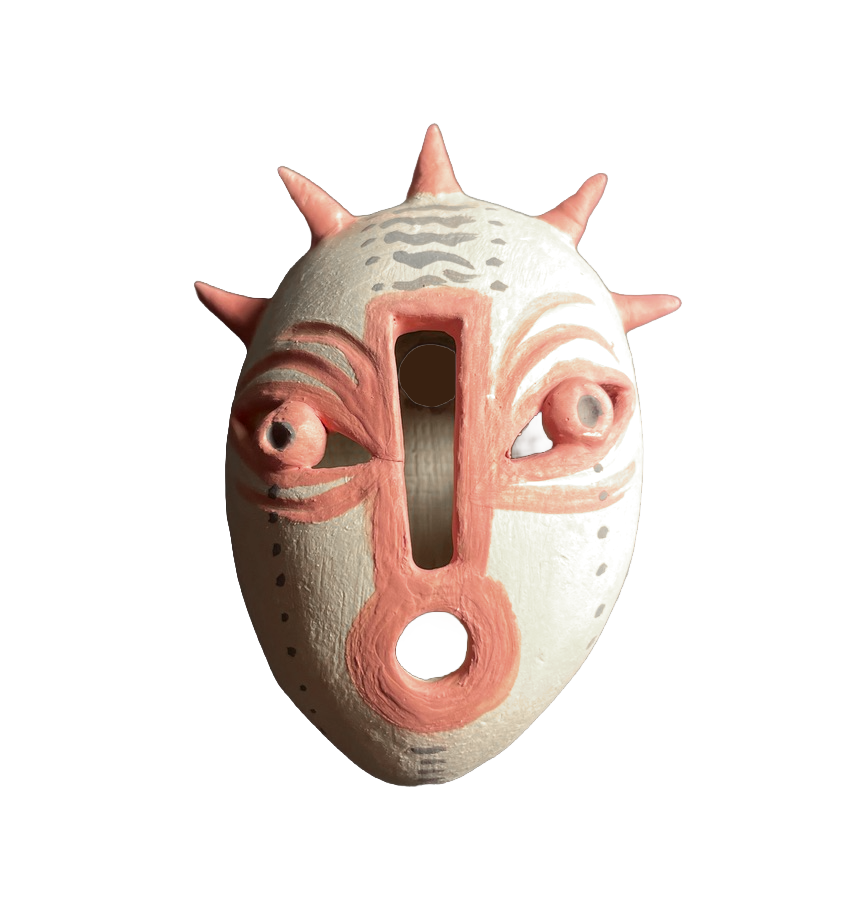
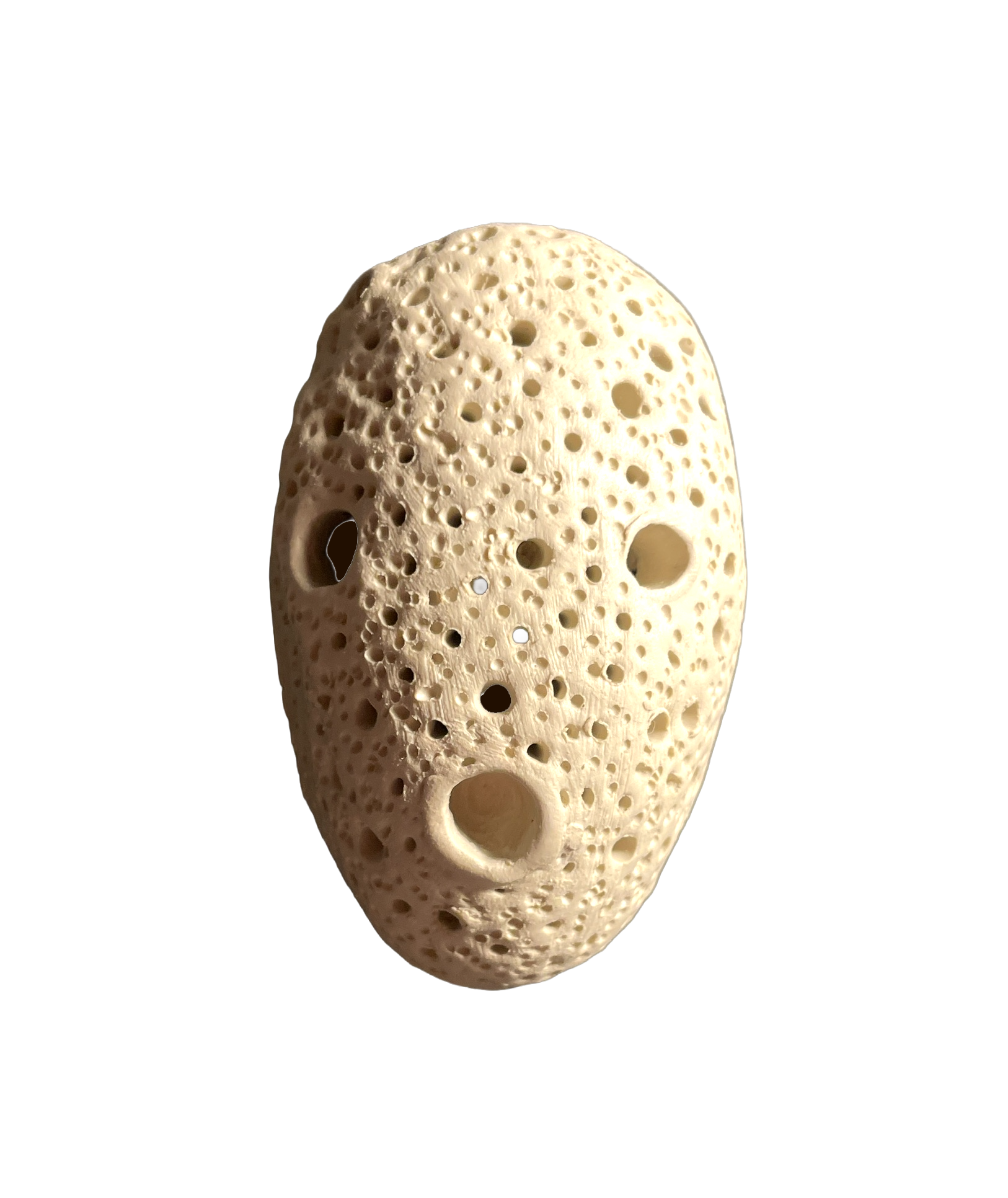
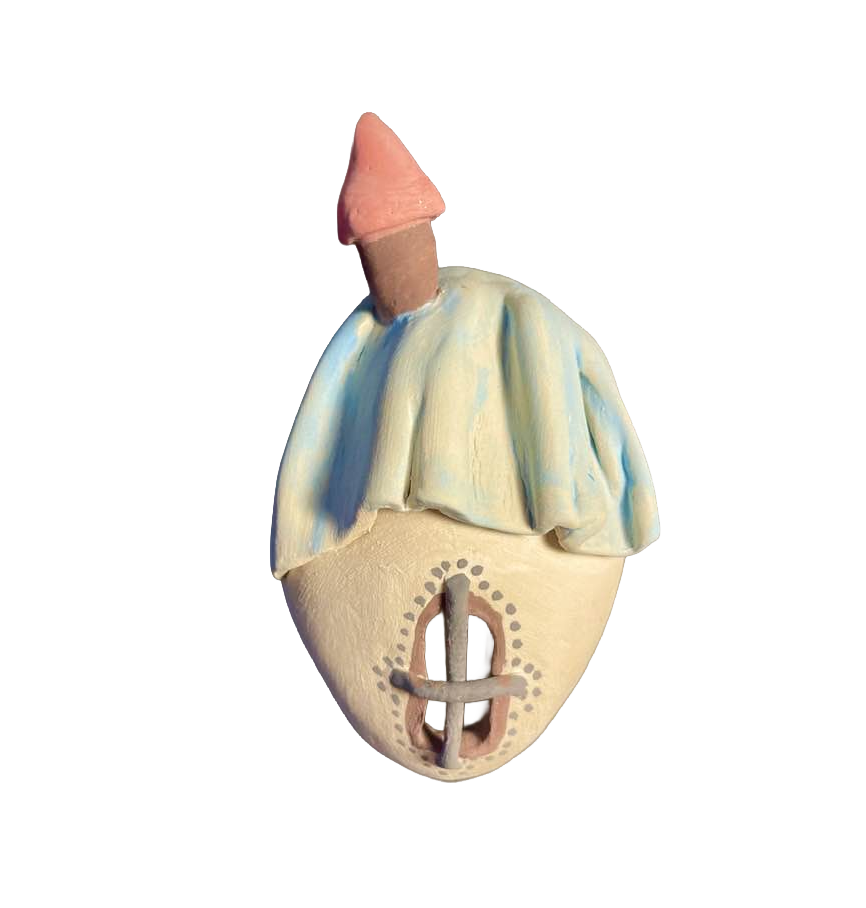
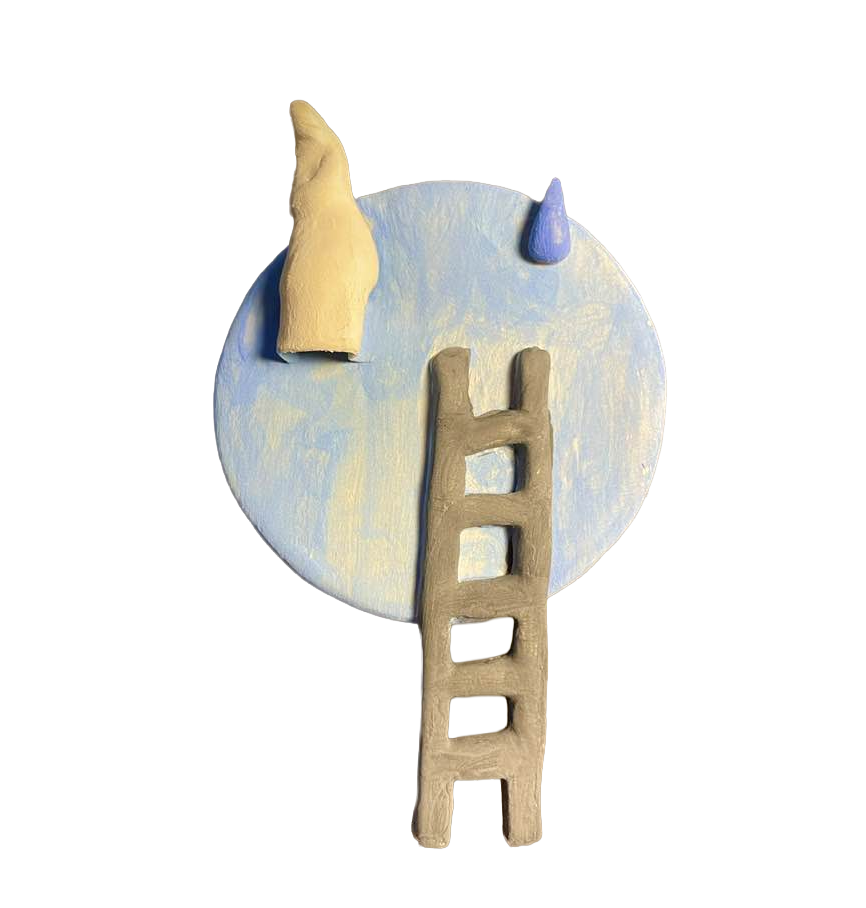
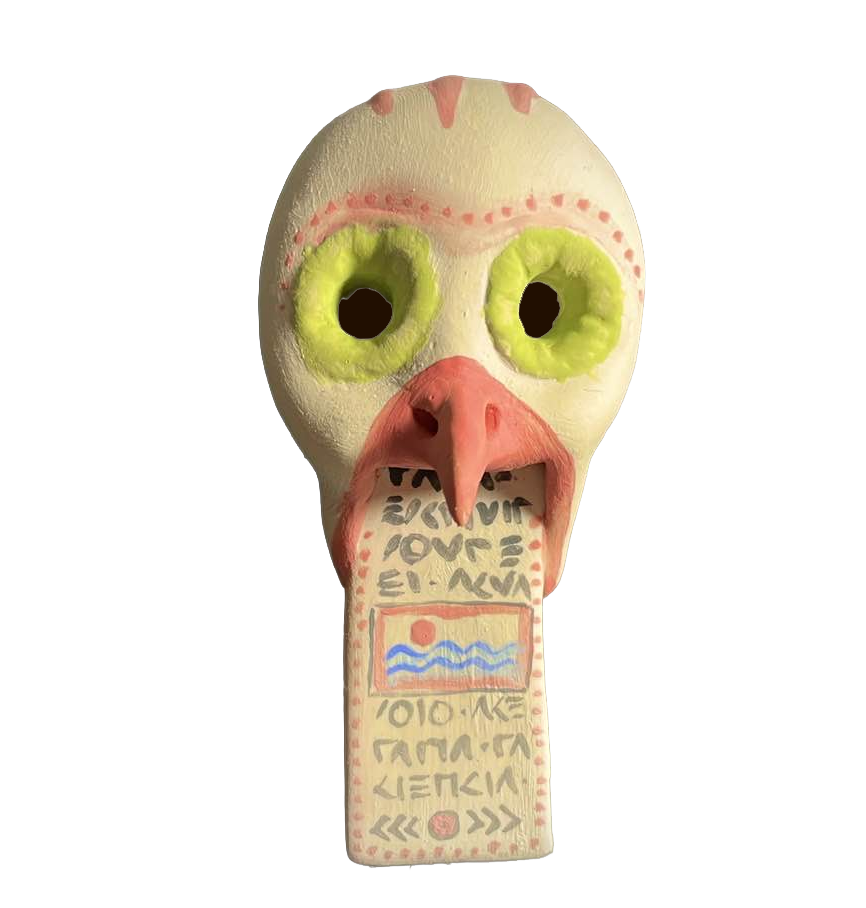
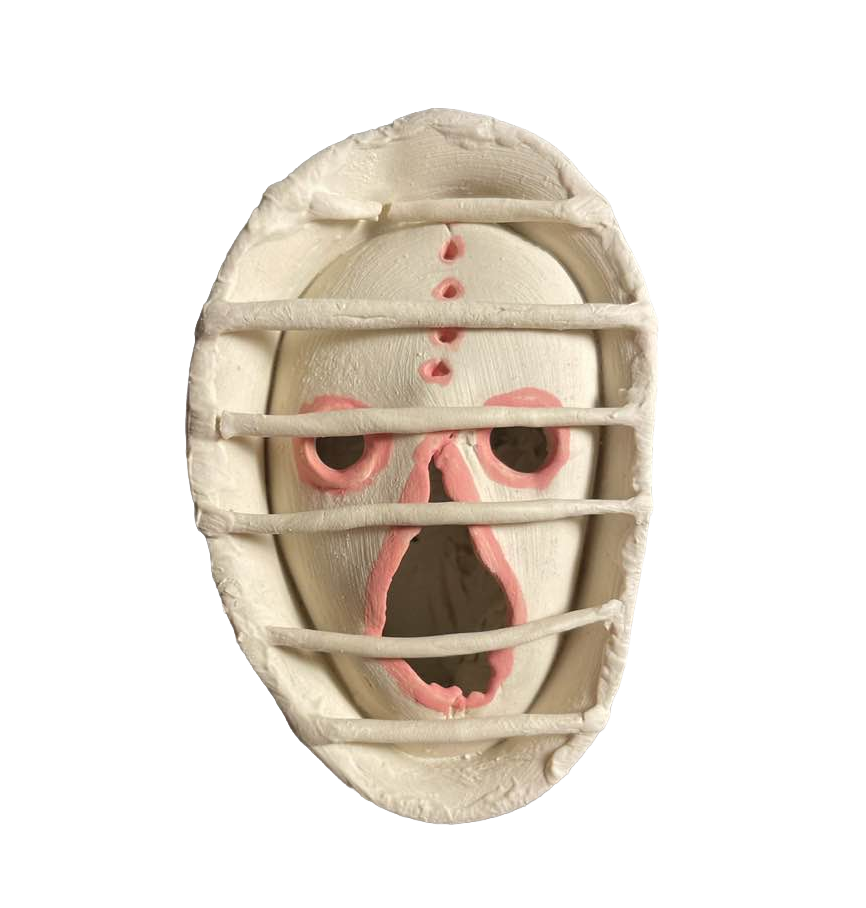
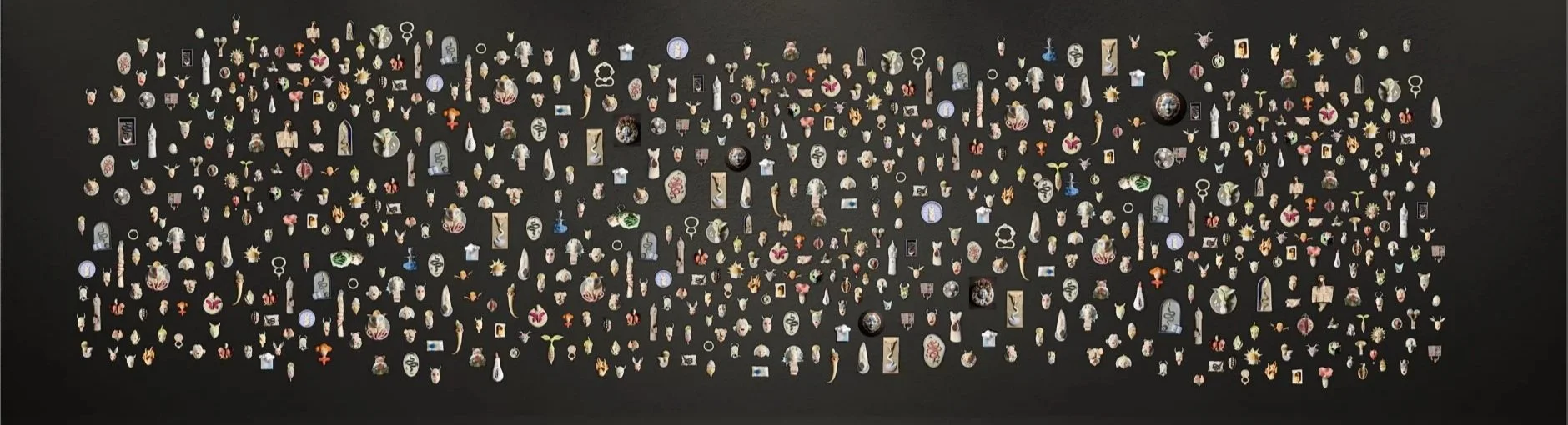
One thousand guardians that marshal themselves along a single wall, converting a room into something closer to a sanctuary than a display. Their alignment feels less like arrangement than enlistment, an act of mustering against a precarious present and a whatever future waits beyond.
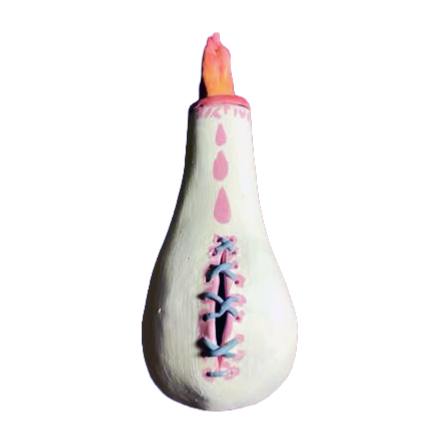
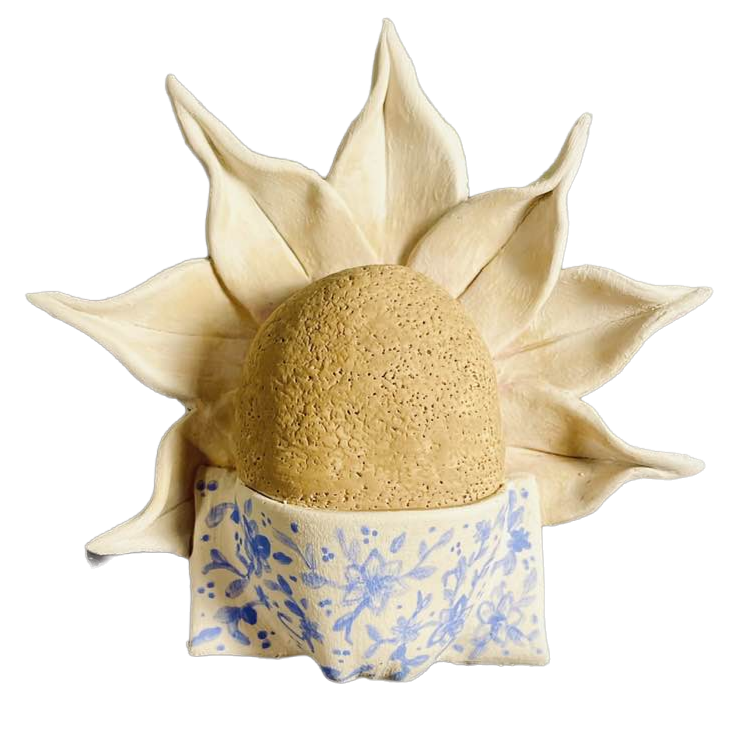
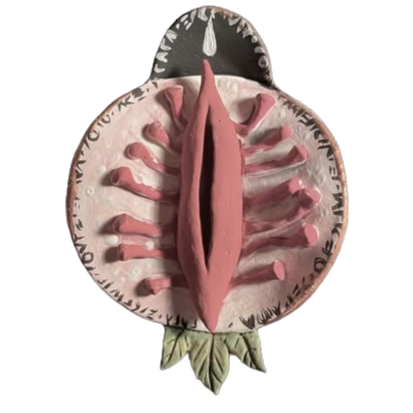
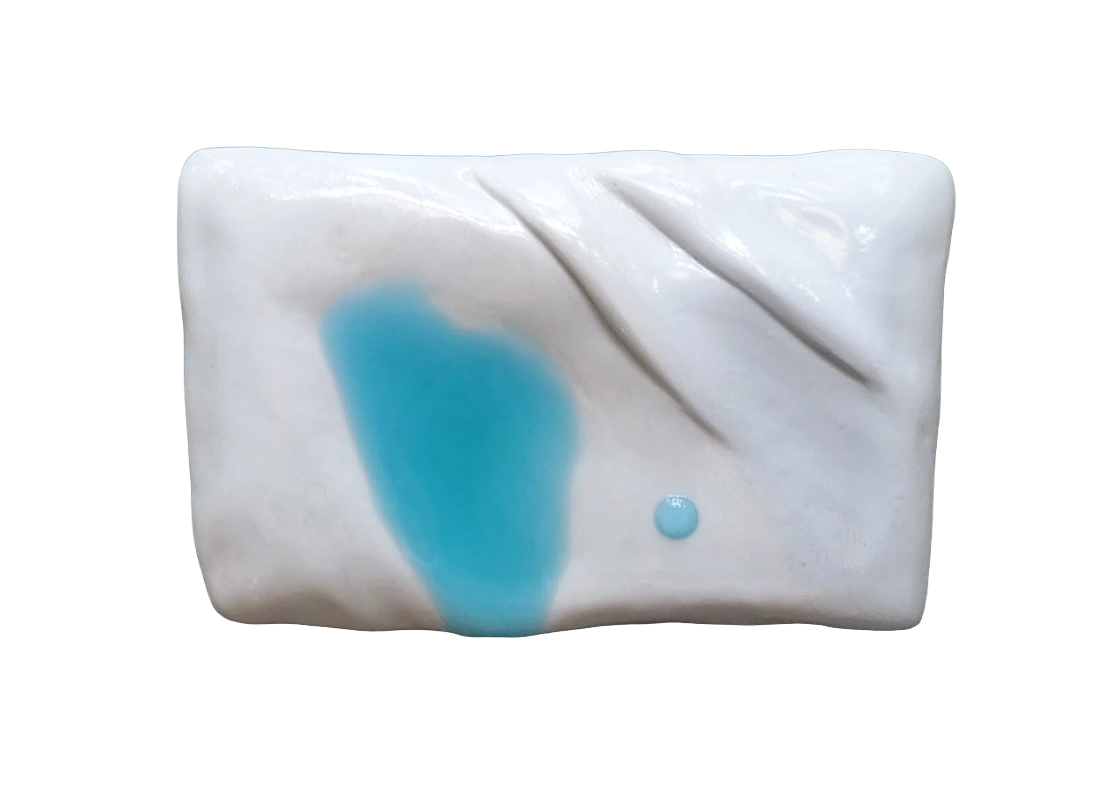
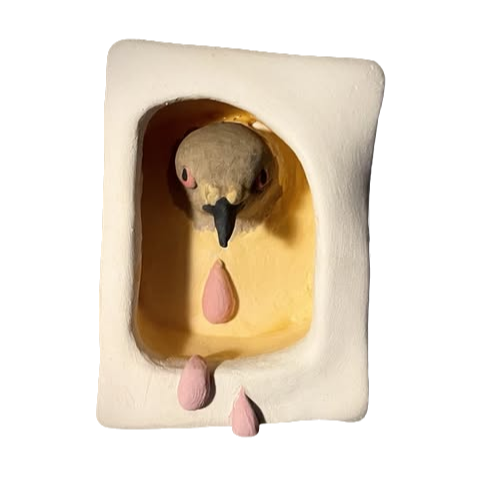
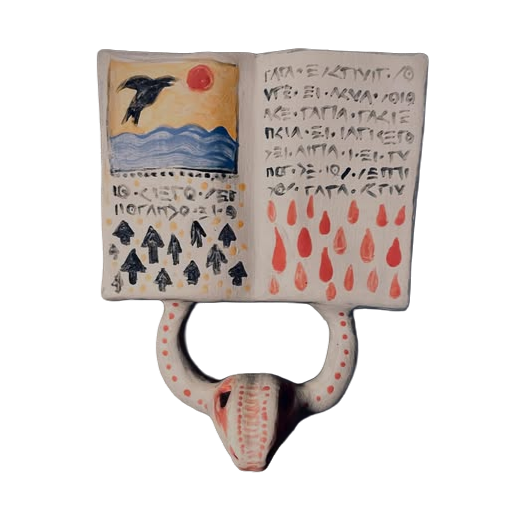
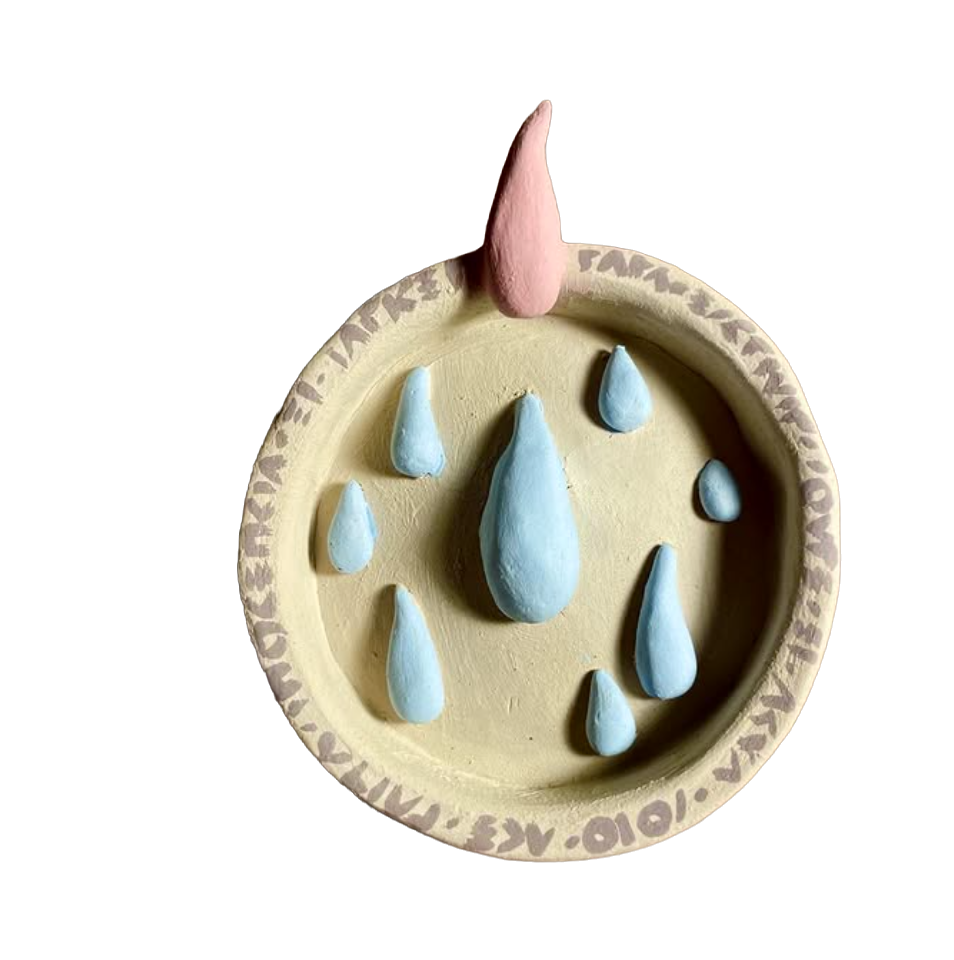
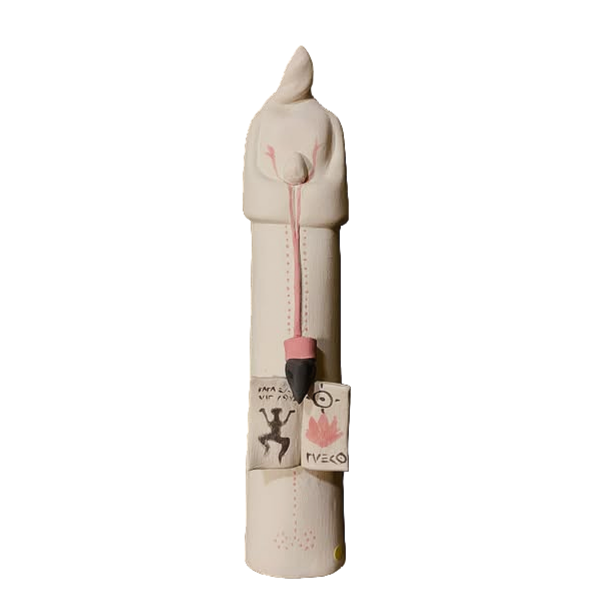
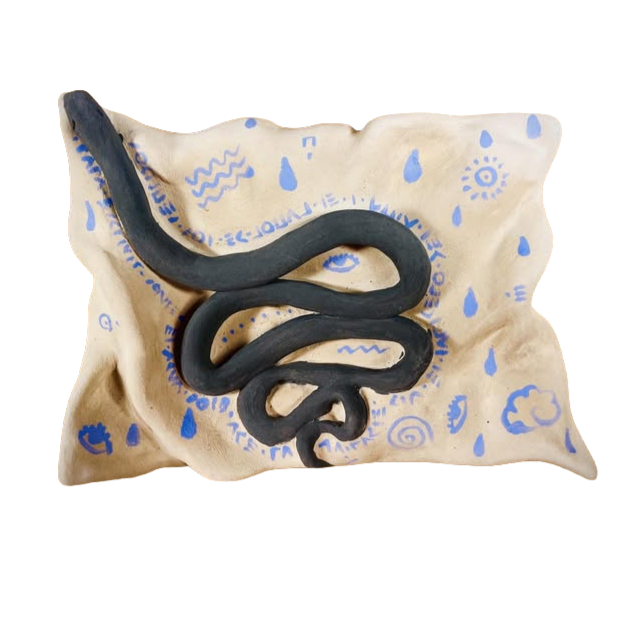
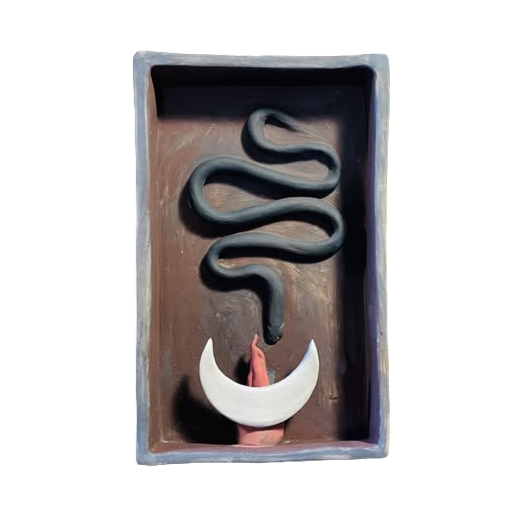
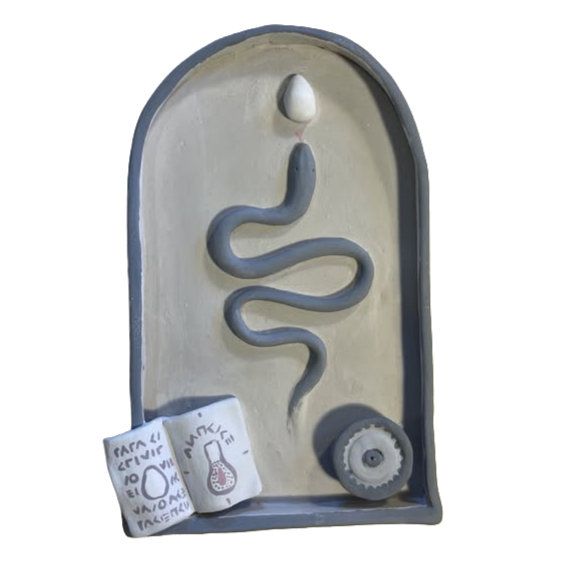
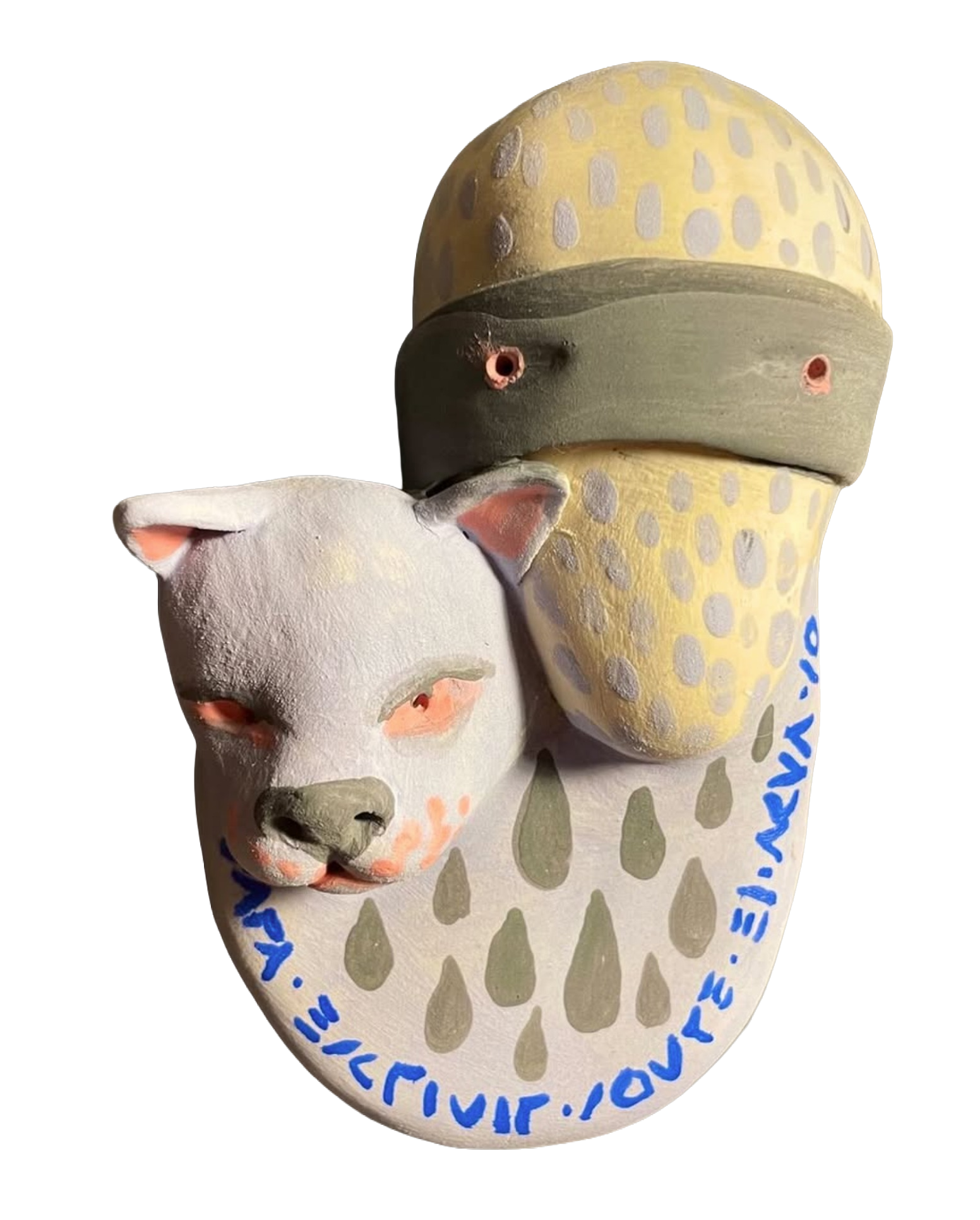
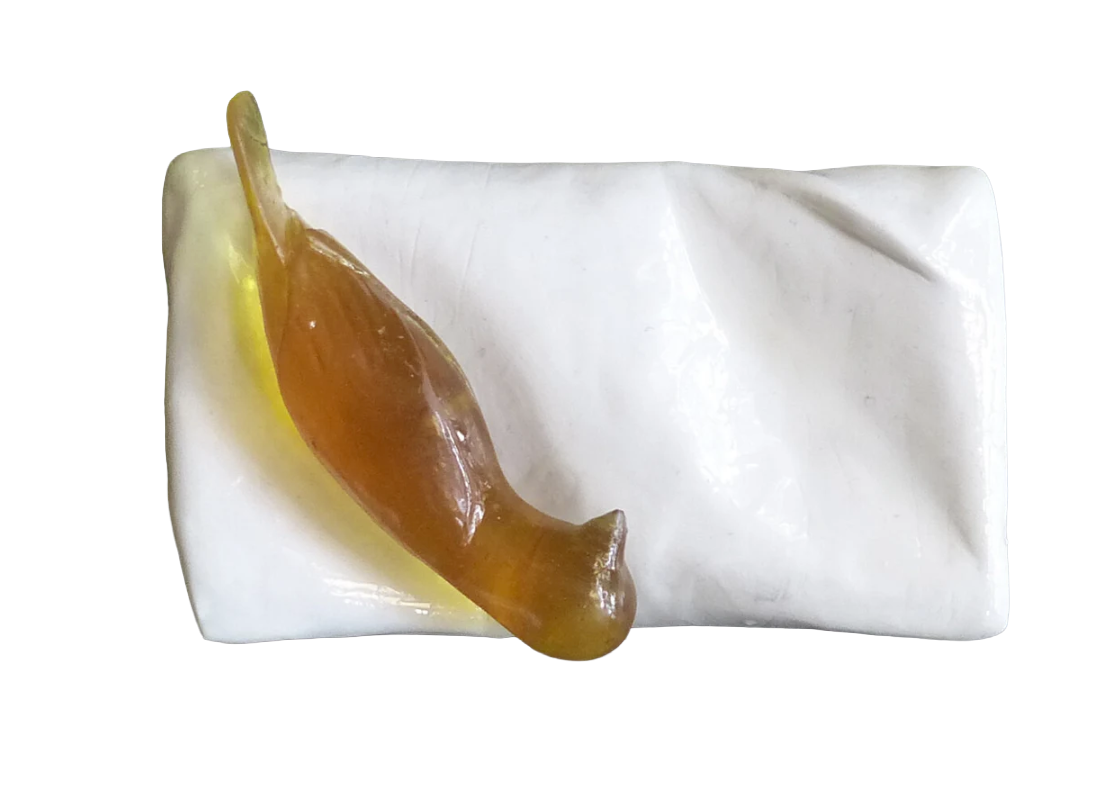
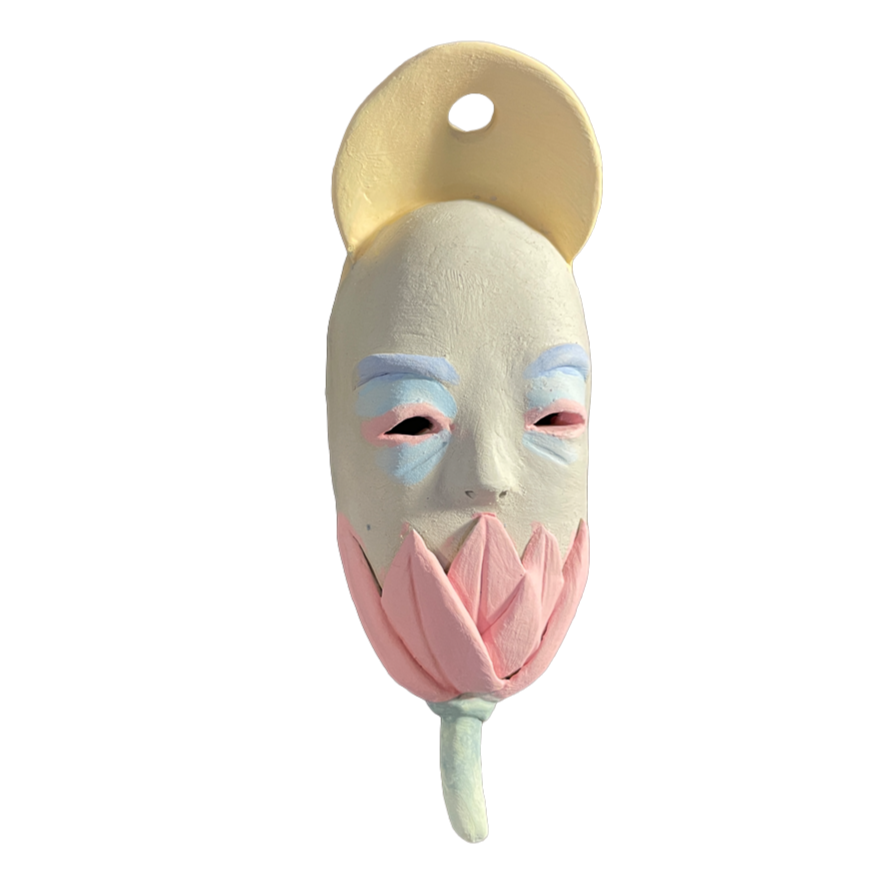
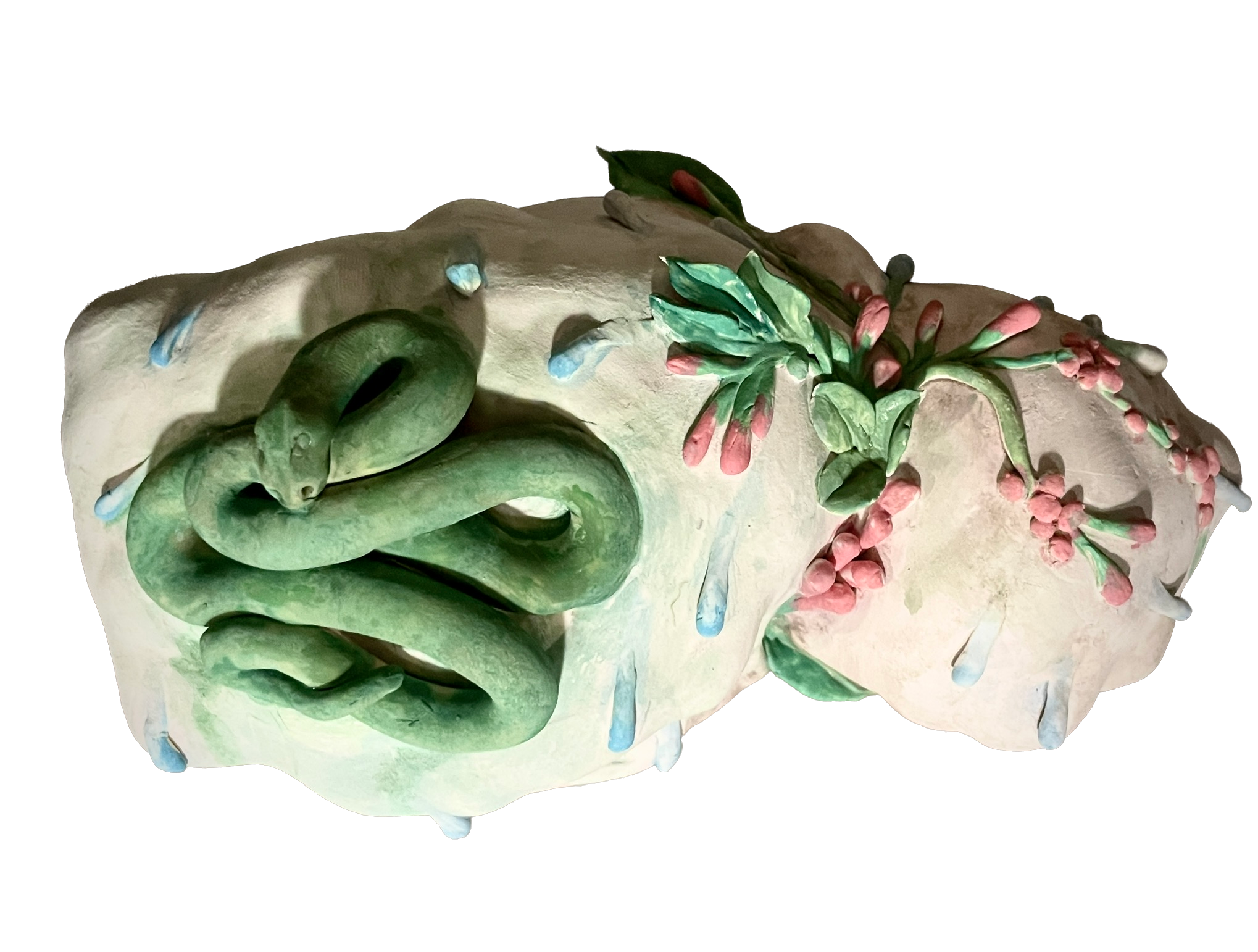
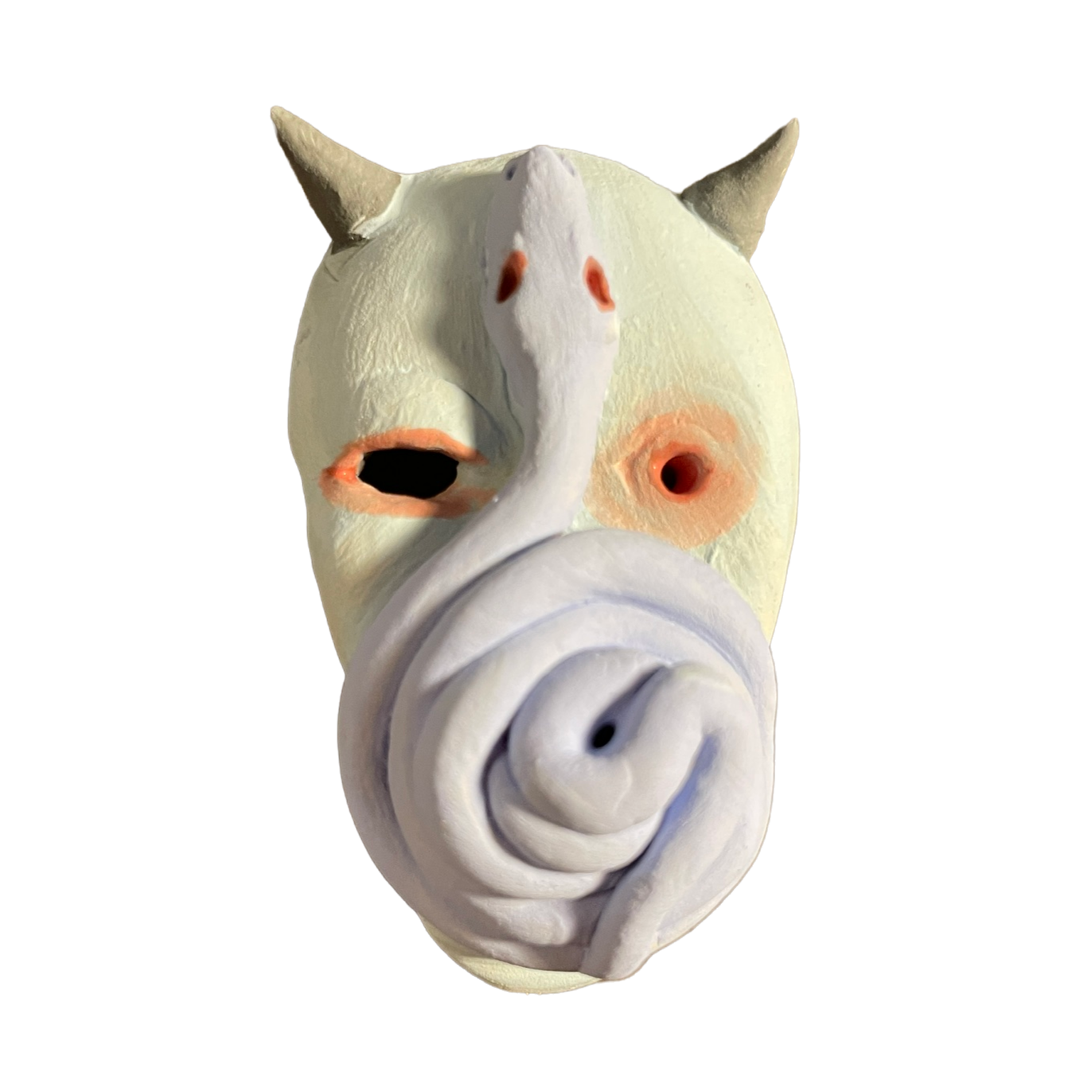
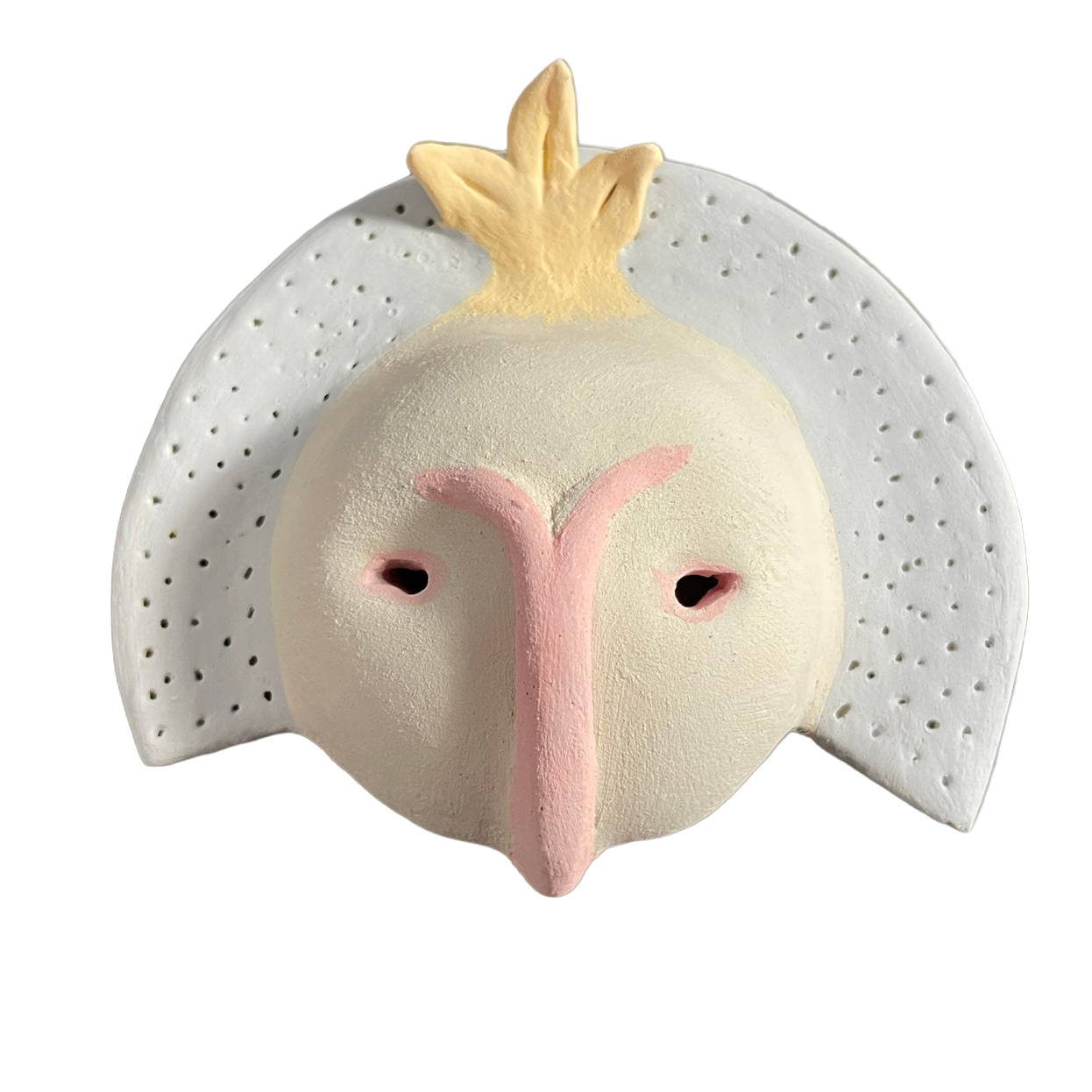
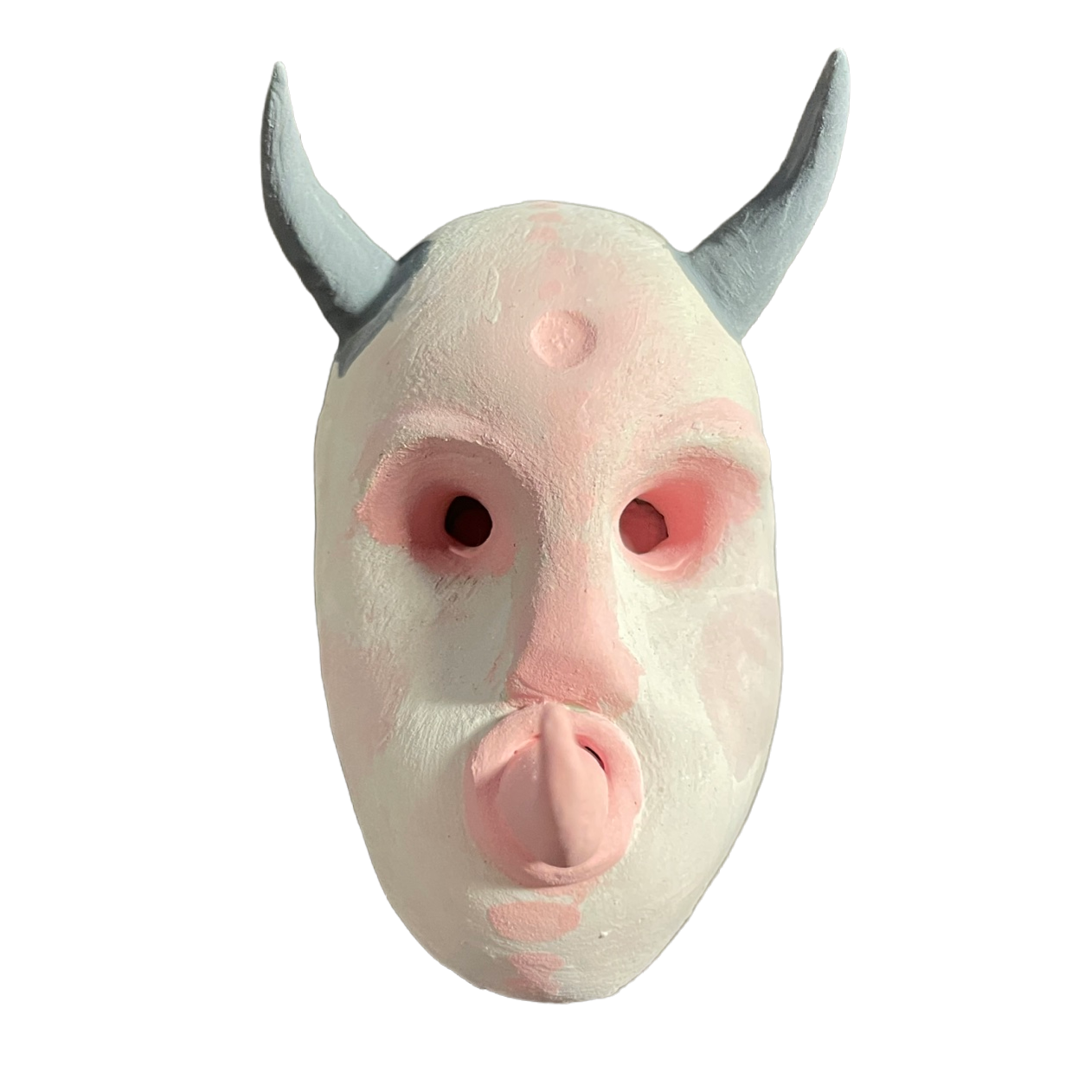
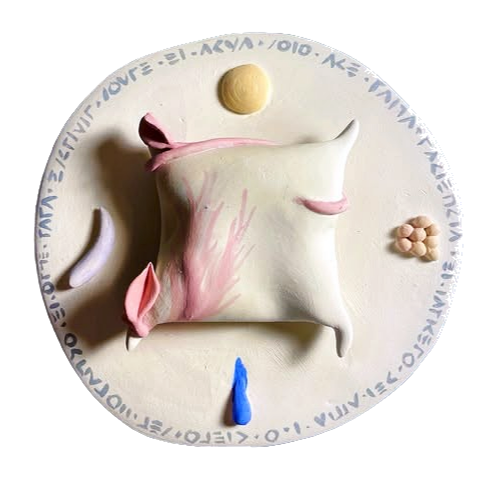
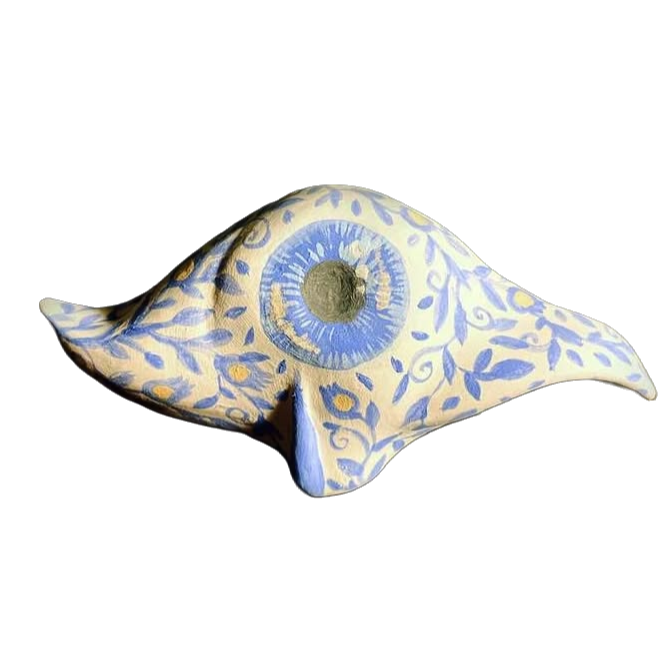
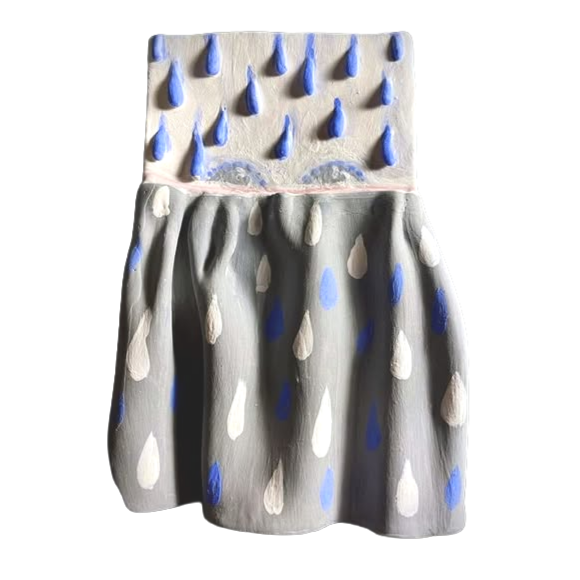
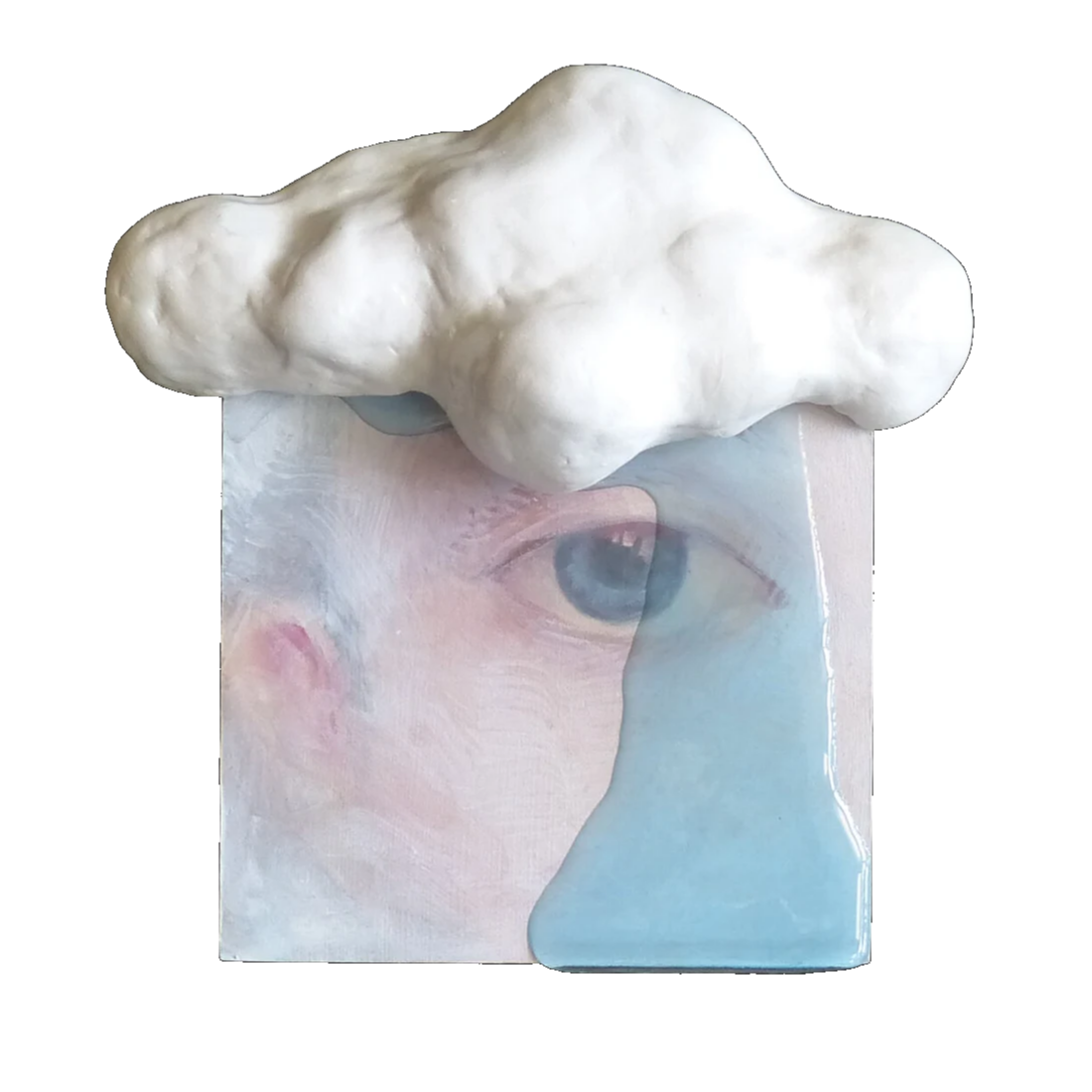
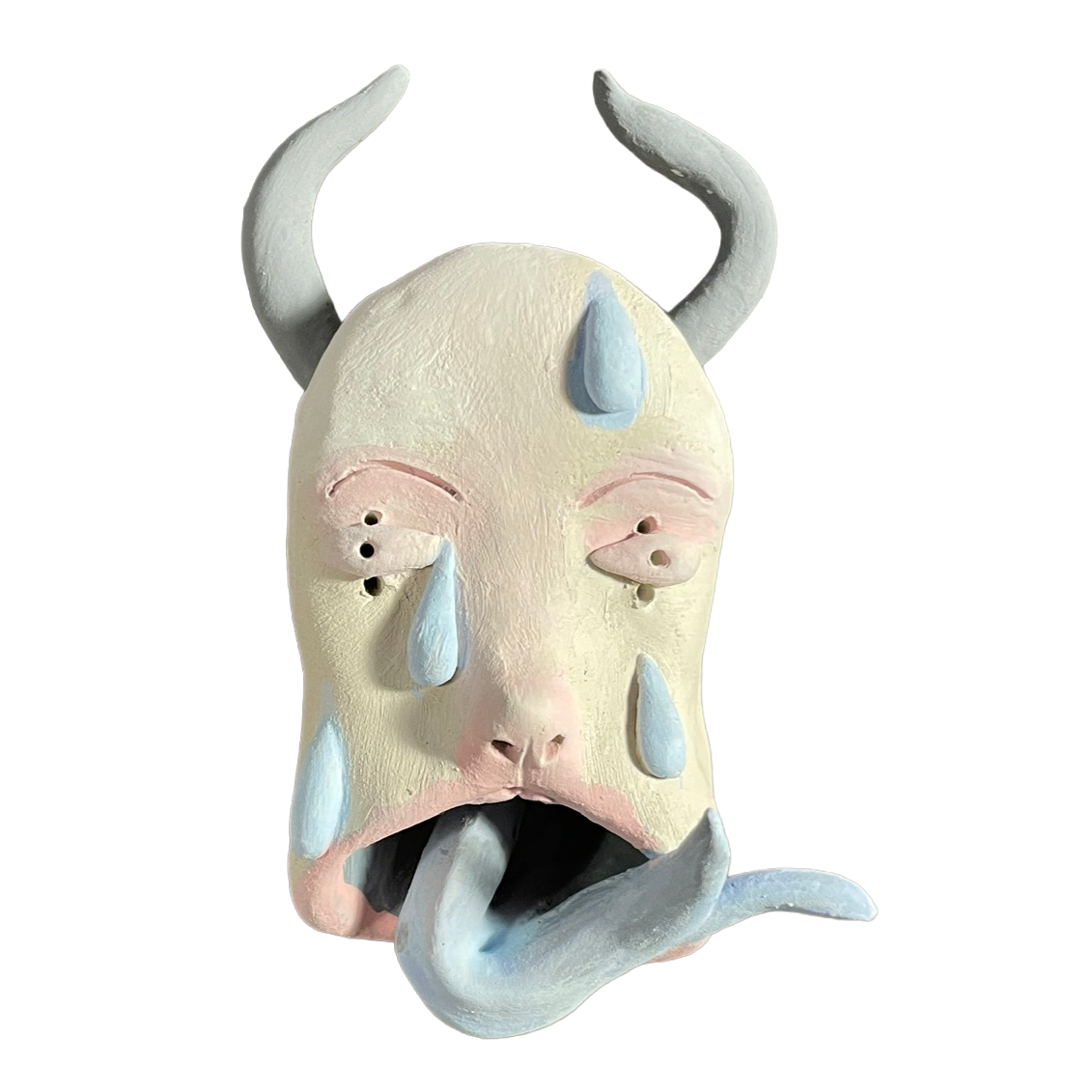
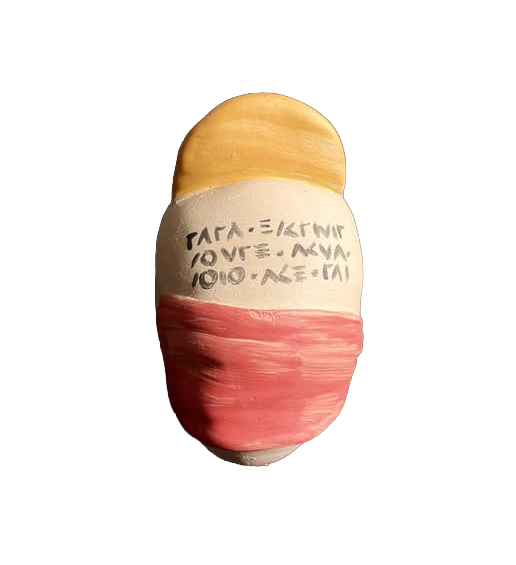
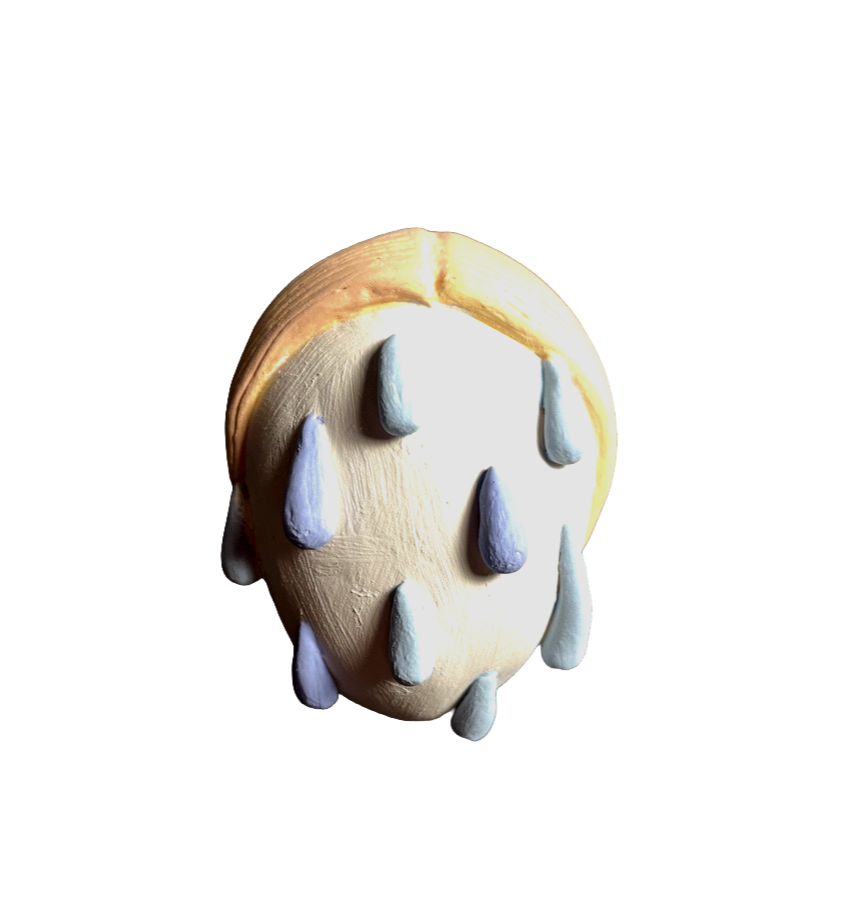
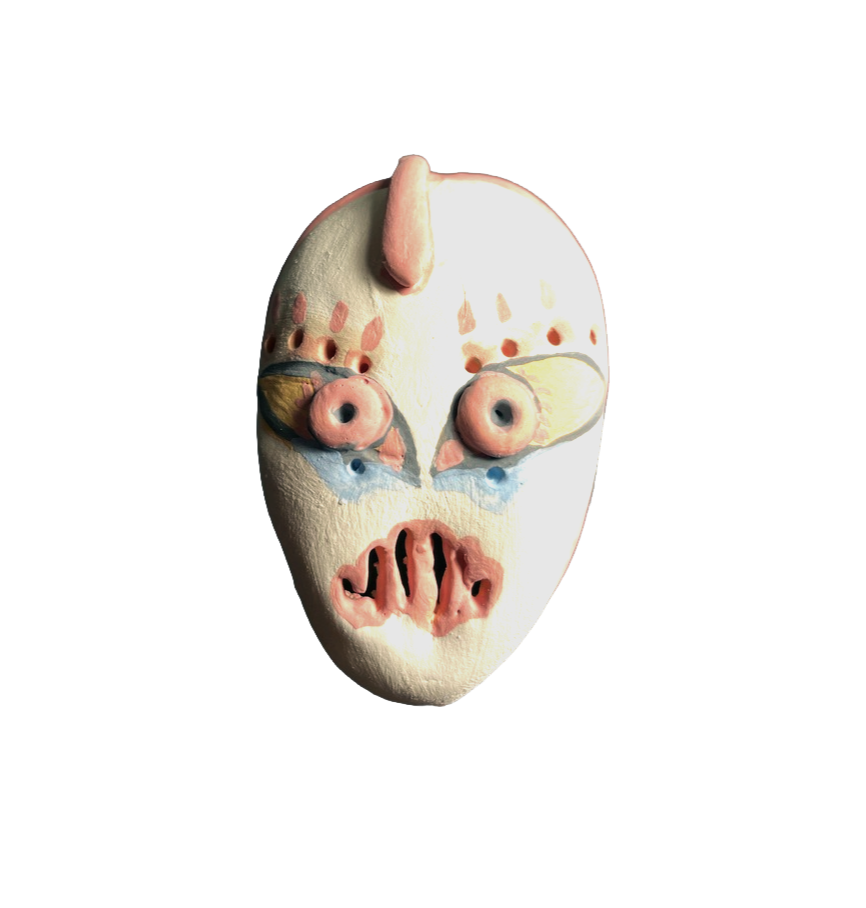
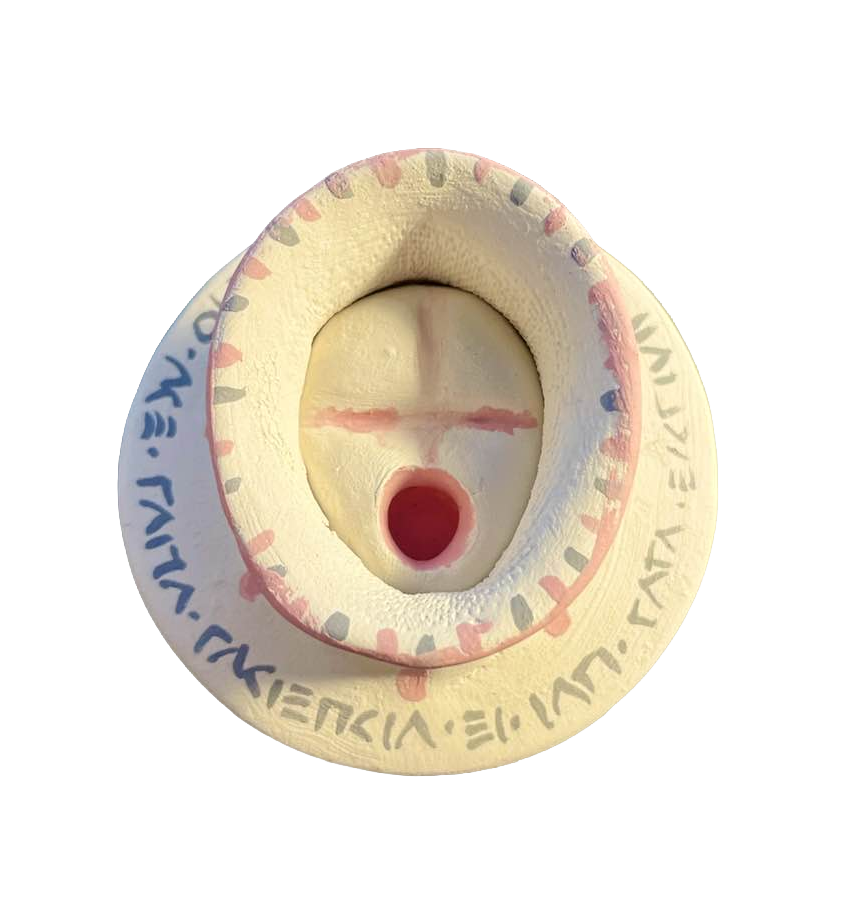
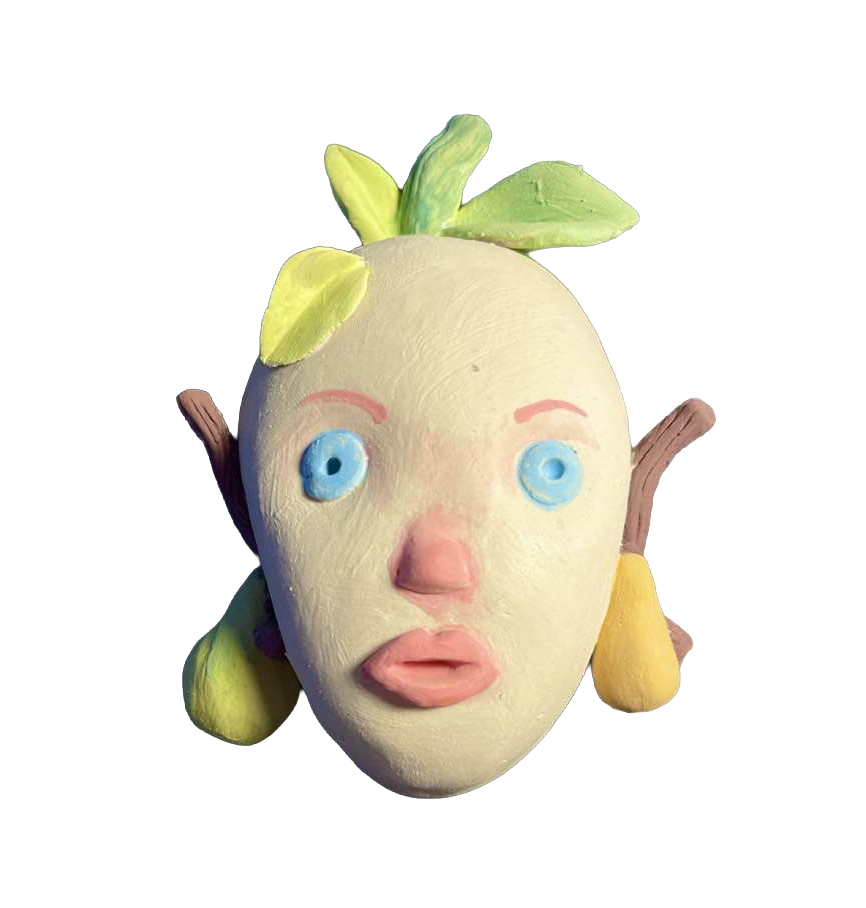
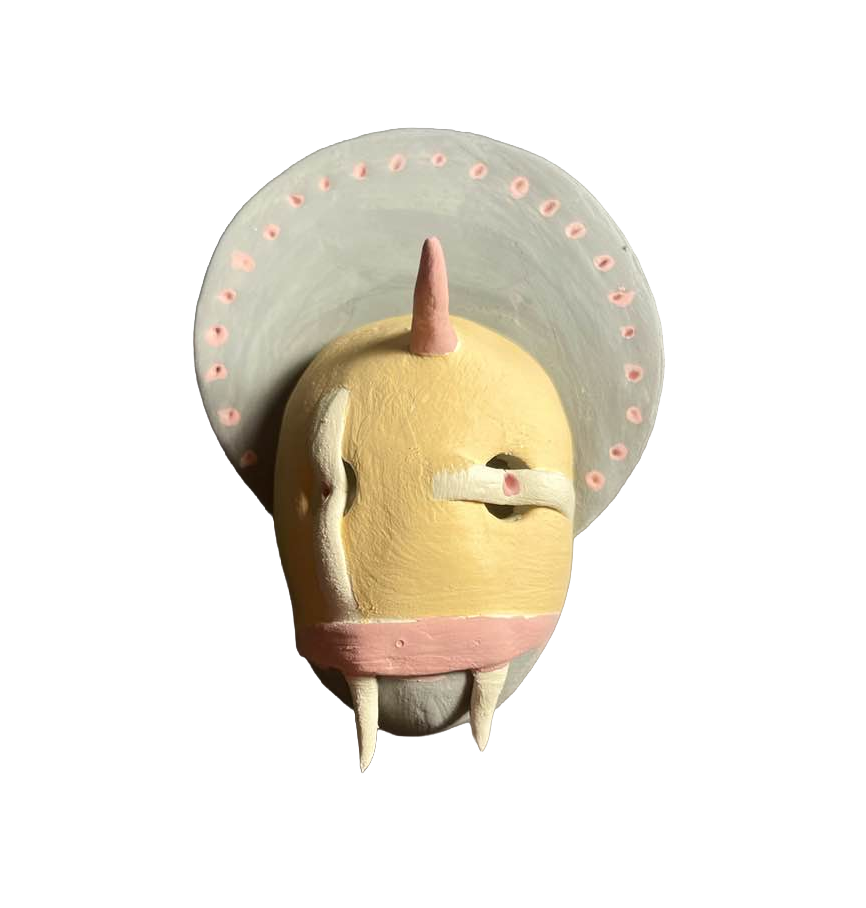
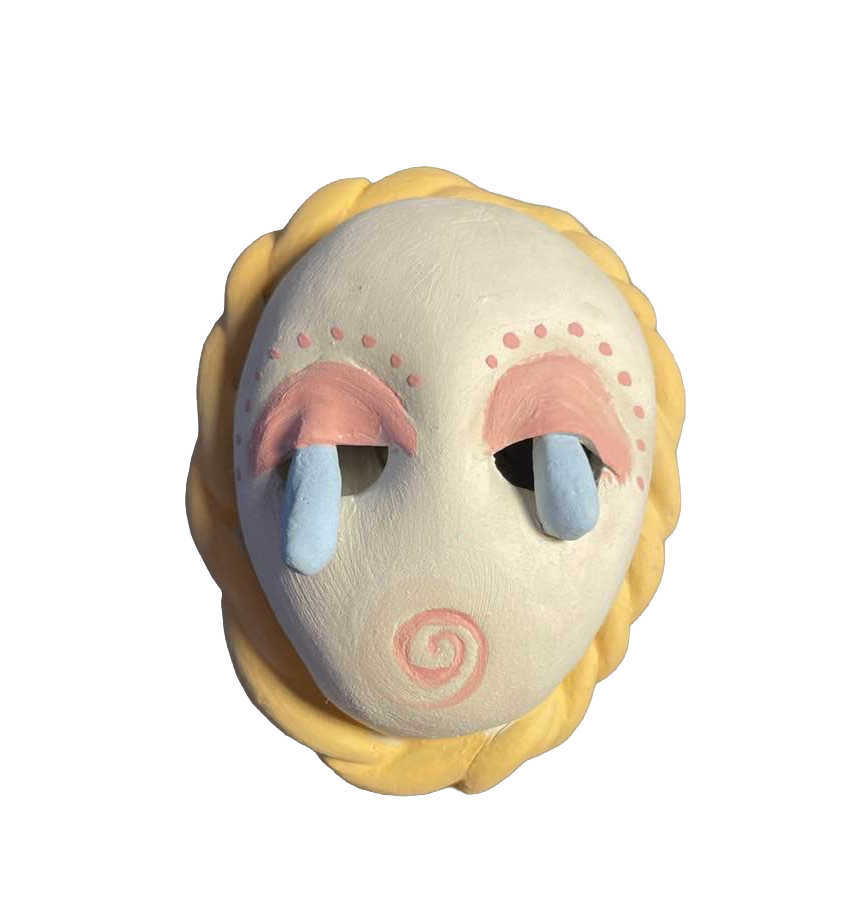
Individually, each figure is modest, small enough to sit easily in the palm, but scale is cumulative, almost tidal. As faces, symbols, and hybrid shapes reverberate with the next, the wall becomes a field of alertness, a steady drum, looking back at the viewer.
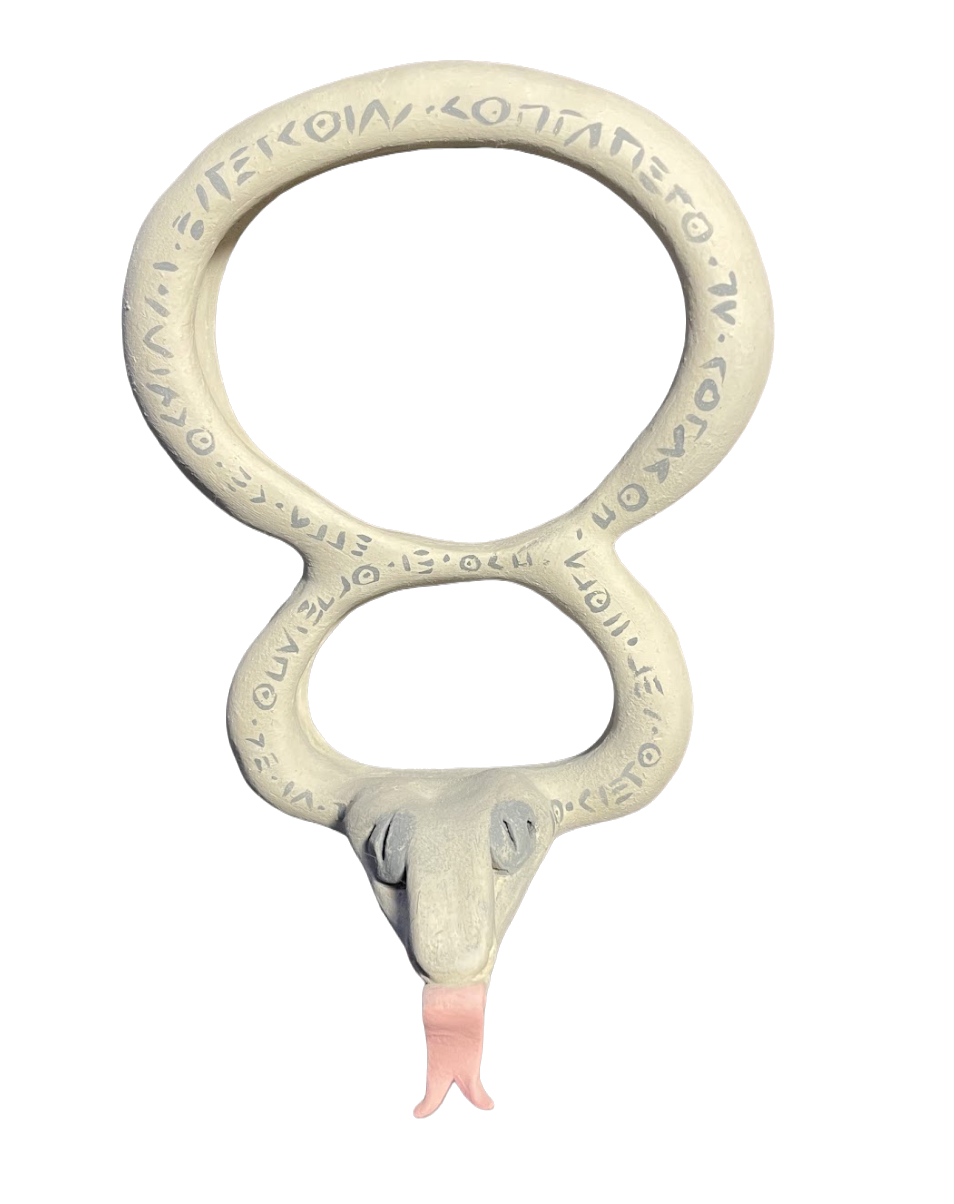
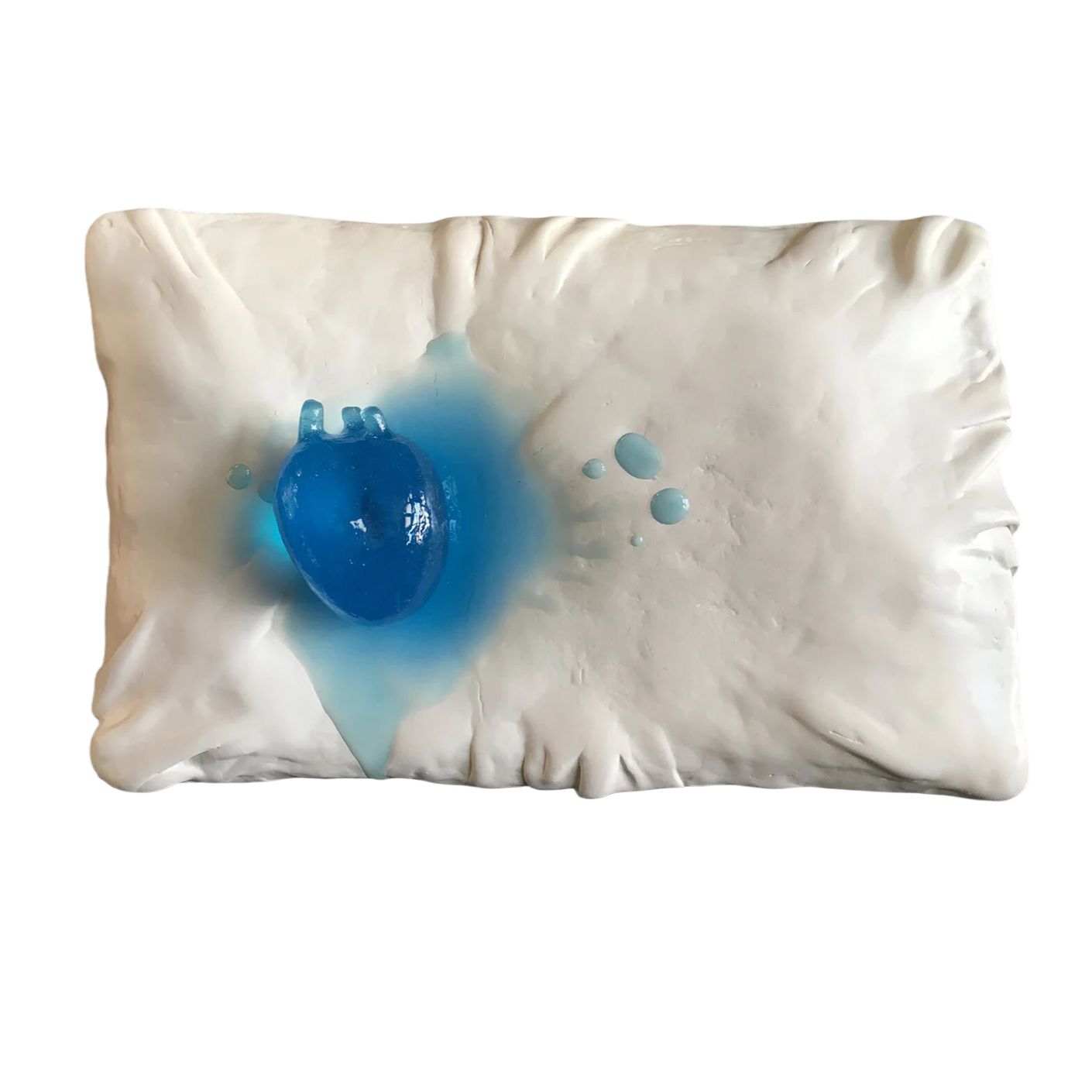
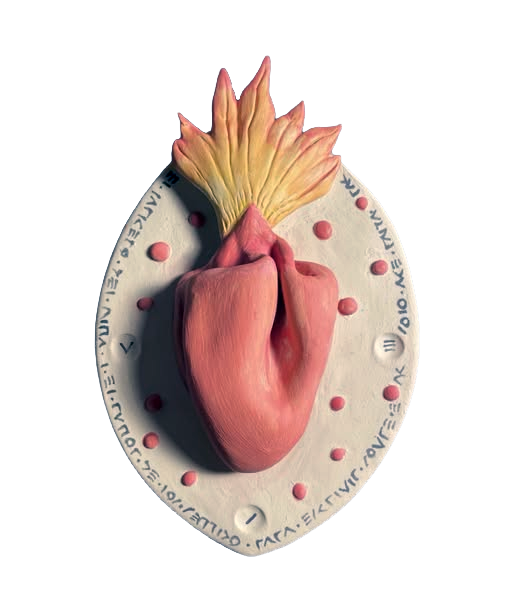
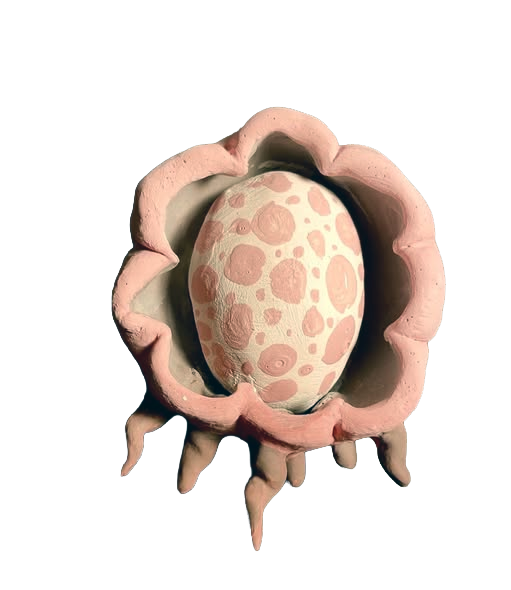
The language of the forms is intentionally rough. Eyes are simplified, noses become wedges, grief never tips into drama, tenderness never relaxes, hope refuses to smooth itself out. Snakes coil in and out, books, seeds, suns, organs and droplets form a script that only they truly understand. Every surface insists on its own making: thumbprints, crooked ears, uneven rims, visible swipes of pigment. Imperfection becomes testimony rather than error.
What truly shifts the work from charming to charged is the way fragility is weaponized through proximity and community. Edge to edge, the sculptures form a sort of porous barricade, a “wall of protection” that never stops reminding us how permeable any wall really is. They tell us that protection is not a heroic gesture but an ongoing, distributed labor, carried by many small, unremarkable acts of care.
They are emissaries from a future that has decided to send back not warnings but reminders: be softer, be stranger, be kinder, tread carefully, shelter hope.